

Sommaire
Informations clés
- Works on APS: 2
- Alternate names:
- Université de Londres
- UoL
- Lond
- Location: Londres, United Kingdom
- Featured artists:
- johann heinrich füssli
- sir james jebusa shannon
Quiz d'art
Chaque question ne comporte qu'une seule réponse correcte.
Question 1:
Qu'est-ce qui distingue les Musées de l’Université de Londres des autres institutions ?
Question 2:
La bibliothèque britannique abrite des millions de livres, de manuscrits et de documents historiques. Cette richesse documentaire est principalement liée à:
Question 3:
Les Musées de Londres sont situés dans des bâtiments historiques qui reflètent le patrimoine architectural de Londres. Quel est le style dominant de ces bâtiments ?
Question 4:
La collection du Musée britannique comprend des œuvres d'art allant de la Renaissance à l’impressionnisme. Cette diversité artistique témoigne de:
Question 5:
Le Musée de Zoologie offre une présentation fascinante des espèces animales et des fossiles. Quel est son objectif principal ?
Artistes de la collection

Johann Heinrich Füssli
"meta_description": "Explore l'univers sombre et fascinant de Henry Fuseli ! Maître de l'art surnaturel et des scènes shakespeariennes, il a captivé les spectateurs avec 'Le Cauchemar'. #Fuseli #ArtRomantique"


Sir James Jebusa Shannon
Sir James Jebusa Shannon (1862-1923) était un célèbre portraitiste anglo-américain connu pour ses élégantes représentations de la haute société et de belles femmes. Fondateur de la Royal Society of Portrait Painters.
Articles connexes

Golden Hour on the Nile: Symbolism & Artistic Legacy of Egyptian Sunsets
Explore the rich symbolism of Egyptian sunset paintings & their artistic legacy. Discover how color, ritual, and landscape shaped ancient beliefs – a guide for discerning collectors.

Thomas H. Shepherd: Capturing Victorian London's Essence Through Topographical Precision
Explore the exquisite topographical paintings of Thomas H. Shepherd, renowned for his detailed depictions of Victorian London and beyond. Discover his legacy & artistic techniques.
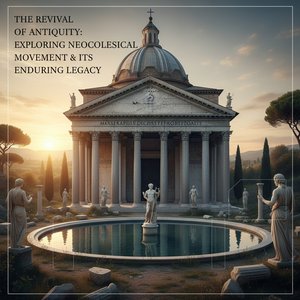
The Revival of Antiquity: Exploring the Neoclassical Movement & its Enduring Legacy
Explore the revival of classical art with our deep dive into Neoclassicism! Discover key artists like Jacques-Louis David, Enlightenment influences & lasting impact on art history. High-quality reproductions at OriginalUniqueArt.
Collection d'œuvres d'art
Aucune œuvre d'art trouvée.


Abonnez-vous à notre newsletter
Restez informé(e) des dernières actualités artistiques, des offres exclusives et des idées de décoration.
Recevez 3 suggestions d'œuvres d'art gratuites
Parlez-nous de votre projet et nos experts en art vous proposeront 3 suggestions d'œuvres personnalisées.
Not Sure Where to Start?
Let Us Curate 3 Options Just for You - Free!