Un sanctuaire de pierre et d'esprit : l'âme de Santa Maria Maggiore
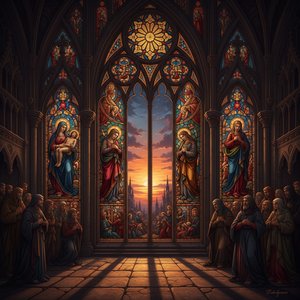
Nichée dans l'ombre animée du magnifique dôme de Brunelleschi, la Basilique et le Musée de Santa Maria Maggiore offrent une rencontre profonde et silencieuse avec le cœur même de Florence. Tandis que de nombreux voyageurs se précipitent vers la grandeur du Duomo, ceux qui s'arrêtent sur ce site vénérable découvrent un sanctuaire où le temps semble ralentir. L'architecture elle-même raconte une histoire de dévotion superposée ; ses murs de pierre bruts et inachevés servent de toile romane originelle sur laquelle des siècles de raffinement gothique et de la Renaissance ont été peints. Franchir ses portails, c'est entrer dans une chronique vivante de l'histoire florentine, où la force pesante et terrestre de la construction médiévale rencontre la légèreté éthérée des mouvements artistiques ultérieurs.
La collection du musée agit comme un trésor sacré, révélant l'intersection profonde entre le mécénage ecclésiastique et l'évolution du génie artistique. Au sein de ses salles sacrées, on retrouve le poids profond du début du XVe siècle incarné dans la scène de la Nativité d'Arnolfo di Cambio. Cette sculpture monumentale est bien plus qu'une simple représentation religieuse ; c'est une leçon magistrale du style gothique florentin, où la capacité de l'artiste à insuffler la vie à la pierre crée une résonance émotionnelle qui transcende les siècles. Les figures possèdent une beauté solennelle, leurs ornements complexes et leurs gestes expressifs invitant le spectateur à un moment de contemplation spirituelle et silencieuse.
À mesure que l'on s'immerge dans le récit du musée, l'art passe de la sculpture à la lumière. Le plafond, un chef-d'œuvre d'incrustation exquis réalisé par Antonio da Sangallo le Jeune, expose les palettes de couleurs vibrantes et le savoir-faire méticuleux qui ont défini l'ère de la Renaissance. Cette splendeur architecturale est complétée par la présence de l'icône Salus Populi Romani, une image vénérée de Marie et du Christ qui sert de phare d'espoir et de protection divine. Le visage serein de l'icône constitue le point focal de l'énergie spirituelle du musée, jetant un pont entre les anciennes traditions romaines et la dévotion florentine qui a fleuri dans les siècles suivants.
Pour le connaisseur d'art et le concepteur d'espaces élégants, Santa Maria Maggiore offre une étude inégalée de la texture, de la lumière et de la continuité historique. L'héritage d'artistes tels que Pietro Dandini et Ciro Ferri apporte une énergie baroque dynamique à l'espace, avec des fresques qui illuminent l'intérieur par le mouvement et la couleur. Même les détails subtils, comme la gravure mystérieuse de « Berta » incrustée dans le clocher ou les reliefs en stuc polychrome, contribuent à une atmosphère de découverte. C'est un lieu où les textures lourdes de la pierre médiévale rencontrent la délicate feuille d'or des trésors liturgiques, en faisant une destination unique pour quiconque cherche à comprendre le pouvoir durable de la beauté et de la foi dans la tradition florentine.