
A Journey Through Time: Exploring Sant'Alessandro (Santa Giulia Museum)
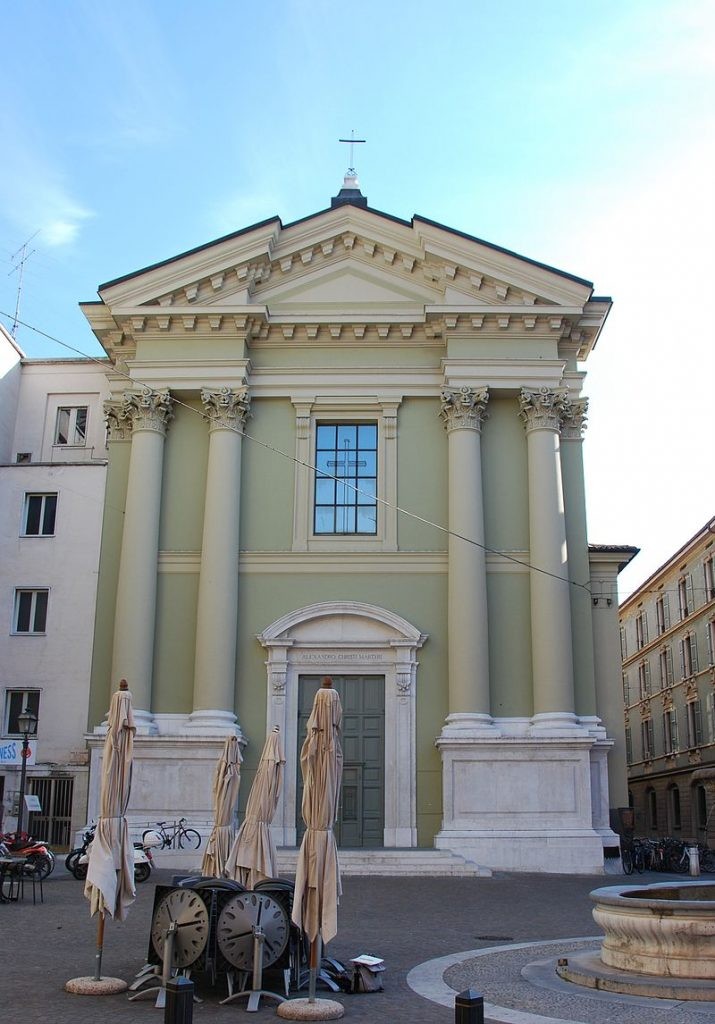
Sant’Alessandro, nestled in Brescia’s historic heart, stands as a singular beacon of Italian artistic heritage – a UNESCO World Heritage Site that transcends the boundaries of mere museum display and invites visitors on an immersive exploration of over two millennia of cultural evolution. More than just walls adorned with masterpieces, this monumental complex embodies the spirit of Brescia itself: resilient, layered, and profoundly connected to its past. Its location at Via Moretto, 73/A offers a tranquil setting for delving into Brescia’s captivating story.The Architectural Tapestry: From Roman Roots to Medieval Splendor
The narrative begins in Brixia, the formidable Roman city that predated Brescia’s current incarnation. Excavations unearthed impressive Roman ruins – a forum pulsating with civic life, temples dedicated to imperial gods, and residential areas reflecting the grandeur of Roman society. These vestiges serve as an indelible reminder of Brixia's formative years under Roman rule, showcasing sophisticated urban planning and architectural prowess. However, Sant'Alessandro’s story doesn’t halt at antiquity; it surges forward into the turbulent era of the Longobards who established their dominion over Italy in the 6th century AD. The monastery itself, San Salvatore, a cornerstone of Longobard architecture, exemplifies this period’s distinctive style – characterized by robust construction and monumental proportions. Subsequent additions from Byzantine, Carolingian, and medieval periods further enriched its architectural fabric, creating an unparalleled visual dialogue across centuries. Careful observation reveals the harmonious blend of styles—a testament to Brescia's adaptability throughout history.Treasures Unearthed: Artistic Expressions Across Eras
The museum’s collection is a breathtaking panorama of artistic achievement spanning diverse epochs. Among its most celebrated treasures are the Roman Remains – offering tangible connections to imperial Rome—and particularly remarkable Longobard Art & Architecture, exemplified by the Cross of Desiderius, an intricately crafted ivory casket and numerous illuminated manuscripts that illuminate religious beliefs and artistic techniques of the time. The Cross’s delicate ornamentation speaks volumes about Lombard craftsmanship and spiritual devotion. Similarly, the ivory casket showcases exceptional sculptural artistry, capturing the meticulous detail characteristic of medieval art. Furthermore, Sant'Alessandro houses a significant collection of Renaissance paintings by Moretto da Brescia, including “La Vergine à l’Enfant avec les Saints,” which exemplifies humanist ideals and artistic refinement.Notable Exhibitions & Ongoing Research
Sant’Alessandro actively engages in scholarly research and presents captivating exhibitions that illuminate Brescia’s cultural heritage. Recent initiatives have focused on exploring the influence of Roman art on Lombard iconography, furthering our understanding of artistic exchange across geographical boundaries. The museum's curators diligently strive to contextualize artworks within their broader historical framework, enriching visitors’ experience and fostering a deeper appreciation for Brescia’s artistic legacy.What Makes Sant’Alessandro Unique?
Unlike museums concentrating solely on specific periods, Sant'Alessandro distinguishes itself by its extraordinary capacity to portray a continuous historical narrative spanning over two thousand years. This holistic approach allows visitors to trace Brescia’s evolution from Roman grandeur to medieval piety and culminating in Renaissance brilliance—a journey that transcends chronological boundaries. The integration of archaeological discoveries with artistic masterpieces within a historically significant architectural setting creates an immersive experience unlike any other, solidifying Sant'Alessandro’s position as Italy’s premier museum for exploring the multifaceted tapestry of Brescia’s past.- Website: https://www.bresciamusei.com/en/