
San Michele: A Timeless Tapestry of Lucchese Art and History
Perched dramatically atop a hill overlooking the historic city of Lucca, San Michele in Foro is more than just a church; it’s an immersive experience—a journey through millennia of artistic expression and architectural evolution. This remarkable basilica, deeply rooted in Roman foundations yet profoundly shaped by Pisan Romanesque and Renaissance influences, offers a rare glimpse into the soul of Tuscany. The very stones whisper tales of emperors, popes, and master craftsmen, inviting visitors to lose themselves within its layered history and breathtaking beauty.
The church’s story begins long before the imposing façade we see today. Originally constructed over the remains of Lucca's ancient Roman forum – a testament to the city’s enduring legacy – San Michele has served as a pivotal center for civic life for centuries. From its early days as the seat of the *Consiglio Maggiore*, Lucca’s most important governing body, to its role as a papal seat in the 11th century, the church has been inextricably linked to the city's political and religious history. This historical significance is reflected not only in its architecture but also in the meticulous preservation of artifacts and artworks that bear witness to Lucca’s rich past.
A Symphony of Styles: Romanesque Grandeur Meets Renaissance Grace
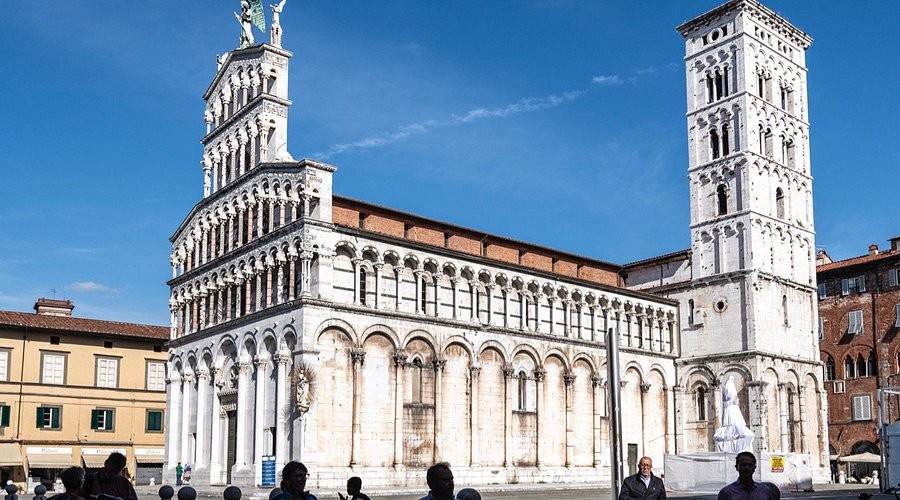
The basilica’s architectural design is a captivating blend of styles, reflecting the evolving artistic sensibilities of the centuries. The core structure—dating back to the 11th century—is firmly rooted in Pisan Romanesque architecture, characterized by its robust columns, rounded arches, and a sense of solemn grandeur. These elements create a powerful visual statement, immediately establishing a feeling of reverence and awe. However, San Michele is not simply a relic of the past; it’s been continuously shaped and transformed throughout the Renaissance.
The façade, particularly, showcases this dynamic interplay of styles. While retaining the fundamental Romanesque proportions, the Renaissance period brought significant embellishments—intricate inlays, sculpted details, and a heightened sense of decorative richness. The soaring bell tower, added during the 12th and 13th centuries, further elevates the basilica’s visual impact, reaching towards the heavens with its elegant silhouette. The careful balance between these disparate influences creates a harmonious yet dynamic composition—a testament to the enduring appeal of architectural synthesis.
Treasures Within: Luca della Robbia's Clay Masterpieces and Filippino Lippi's Vibrant Visions
Within San Michele’s walls, visitors are treated to a remarkable collection of artistic treasures. Among the most celebrated works are the exquisite terracotta sculptures by Luca della Robbia, whose graceful figures—particularly those depicting scenes from the Bible—possess an ethereal beauty and remarkable realism. These pieces, imbued with a delicate sense of movement and emotion, exemplify the Renaissance artist’s mastery of form and technique. The use of *terracotta*, fired to a durable finish, allows for incredible detail and texture, creating sculptures that seem almost alive.
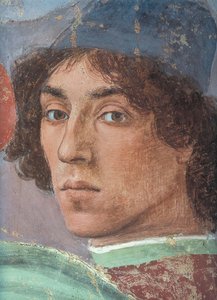
Equally captivating is the panel attributed to Filippino Lippi, showcasing his distinctive style marked by vibrant colors, dynamic compositions, and a profound understanding of human psychology. The artist’s use of *sfumato*—a subtle blurring technique—creates an atmospheric depth that draws the viewer into the scene. The archangel Michael statue itself, dominating the central space, holds a legendary secret: a hidden emerald, rumored to gleam within its folds – adding an element of mystery and intrigue to this already captivating work.
A Legacy Preserved: Exhibitions and Unique Features
San Michele regularly hosts temporary exhibitions that delve deeper into specific aspects of the basilica’s history and artistic heritage. These events often feature scholarly research, interactive displays, and engaging multimedia presentations—providing visitors with a richer understanding of the church's multifaceted story. The museum also offers guided tours led by knowledgeable docents who can illuminate the significance of each artwork and architectural element.
Beyond its permanent collection, San Michele boasts several unique features that contribute to its overall appeal. The intricate mosaics adorning the apse, depicting scenes from the life of Christ, are particularly noteworthy for their vibrant colors and meticulous detail. The church’s acoustics are also exceptional, creating an atmosphere of reverence and tranquility—making it a popular venue for musical performances. Furthermore, the basilica's location within the ancient Roman forum provides a tangible connection to Lucca’s foundational past, offering visitors a rare opportunity to step back in time and experience the city’s enduring legacy.
A Sanctuary for Art and History
San Michele in Foro is more than just a museum; it's a living testament to the artistic and cultural heritage of Lucca. Its layered history, breathtaking architecture, and remarkable collection of artworks make it a must-see destination for art lovers, collectors, and anyone seeking an immersive experience that transcends time. A visit to San Michele is not merely a sightseeing excursion—it’s a journey into the heart of Tuscany’s soul.