Menu
CONSEIL EN ART GRATUIT

Rezan Has Müzesi

Informations clés

  • Location: İstanbul, Türkiye
  • Works on APS: 12
  • Featured artists:
    • michael susmak
    • agop kuyumcuoğlu
    • ancient greek
    • sevan bıçakçı
    • Avedis Kendir
  • Alternate names:
    • Rezan Has Müzesi
    • Rezan Has Museum
    • RHM

Quiz d'art

Chaque question ne comporte qu'une seule réponse correcte.

Question 1:
Quel est le principal avantage de la visite du musée Rezan Has ?
Question 2:
La citerne du musée Rezan Has est particulièrement connue pour :
Question 3:
Quel matériau remarquable a été utilisé pour construire la citerne byzantine du musée Rezan Has ?
Question 4:
Les expositions du musée mettent en valeur les traditions artistiques turques telles que :
Question 5:
Comment le musée Rezan Has contribue-t-il à promouvoir l’éducation artistique ?

A Crossroads of Empires: Discovering the Rezan Has Museum

Istanbul, a city draped across two continents, breathes with layers of history—a palimpsest of civilizations etched into its very stones. Within this vibrant metropolis lies the Rezan Has Museum, a cultural sanctuary that encapsulates the spirit of Turkey’s rich and complex past. More than just a repository of artifacts, it is an immersive journey through time, where Byzantine whispers mingle with Ottoman grandeur, offering visitors a uniquely compelling experience. Founded in 2007 by Ahu Has, as a tribute to her mother-in-law Rezan Has, the museum stands as a testament to preserving and celebrating Turkey’s artistic and archaeological heritage. The very location speaks volumes; nestled within the historic Cibali neighborhood, overlooking the Golden Horn, it occupies a beautifully preserved 17th-century Ottoman building—a structure that itself embodies centuries of artistry and craftsmanship.

Architectural Marvel: The Dark Fountain Cistern

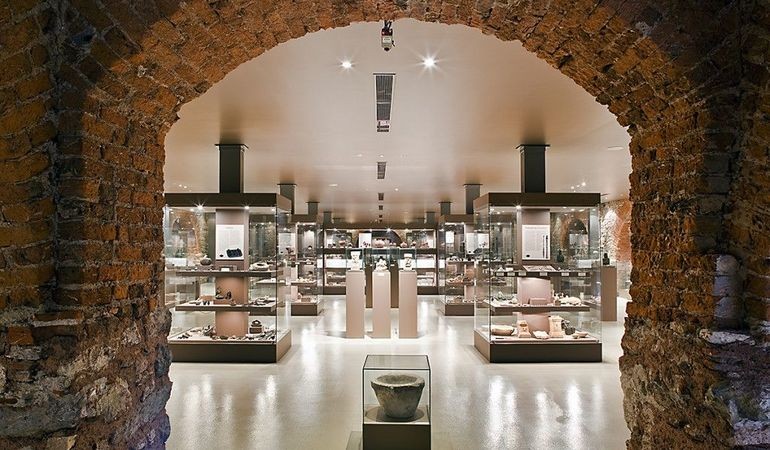
The museum’s centerpiece is an astonishing eleventh-century Byzantine cistern, “Karanlık çeşme” (The Dark Fountain). This subterranean chamber, adorned with graceful arches and columns, immediately transports visitors to the heart of Constantinople's imperial splendor. Its stones resonate with echoes of Byzantium’s artistic prowess—a testament to ingenious engineering utilizing reclaimed materials like stone, terracotta brick, and Khorasan mortar. The cistern’s design reflects a masterful blend of Byzantine architectural traditions, showcasing 48 arches meticulously crafted from limestone and adorned with decorative capitals that bear witness to the stylistic evolution of the era. Its rectangular plan approximates a square, reflecting an intention to maximize water storage capacity—a crucial element in sustaining the city's population during its formative years. Remarkably, the cistern has witnessed shifts throughout history; initially serving as a tobacco warehouse during the Ottoman era and later functioning as a food storage facility during World War II. Each layer adds to its captivating narrative, illustrating Istanbul’s dynamic evolution.

Treasures From Anatolian Civilizations: A Journey Through Time

Beyond this monumental cistern lies an extraordinary collection that unveils Turkey's artistic heritage across millennia. Ancient artifacts unearthed from Anatolia—fragments of pottery, intricate jewelry, and tools—offer glimpses into the lives of civilizations past. These objects speak volumes about their ingenuity and aesthetic sensibilities. The museum’s holdings showcase treasures originating from diverse Anatolian cultures – Urartian jewelry reflecting sophisticated craftsmanship and Seljuk art demonstrating artistic innovation. Particularly noteworthy are pieces dating back to the Urartian kingdom (9th-6th centuries BC), characterized by elaborate ornamentation and symbolic representations—a testament to the artistic achievements of this influential Anatolian civilization. Similarly, Seljuk ceramics exhibit refined artistry and stylistic influences from Persia and Central Asia, reflecting Turkey’s role as a crossroads of cultures during its medieval period.

Decorative Arts Showcase: Carpets & Ceramics – Expressions of Ottoman Elegance

Visitors can admire a stunning array of Turkish decorative arts, including exquisitely woven carpets displaying intricate patterns and delicate ceramics embodying refined artistry. These textiles—often adorned with floral motifs and geometric designs—represent a cornerstone of Ottoman artistic tradition, reflecting the empire’s opulent tastes and mastery of weaving techniques. The meticulous craftsmanship involved in creating these carpets underscores the importance of textile production within Ottoman society—a sector that flourished under patronage from sultans and contributed significantly to Istanbul's cultural landscape. Furthermore, Seljuk ceramics exhibit refined artistry and stylistic influences from Persia and Central Asia, reflecting Turkey’s role as a crossroads of cultures during its medieval period. The museum’s collection includes pieces crafted from terracotta, glazed stoneware, and porcelain—each bearing witness to the evolution of ceramic production methods throughout history.

Recent Exhibitions: Illuminating Istanbul's Artistic Legacy

Recent exhibitions have captivated audiences with explorations into archeology spanning epochs—from Neolithic settlements to the Seljuk period—illuminating daily life and artistic traditions across time. These displays underscore the museum’s commitment to fostering understanding and inspiring curiosity about Turkey’s past. The museum actively promotes learning through engaging lectures, workshops, and exhibitions designed for students and art enthusiasts alike—demonstrating a dedication to accessibility and cultural enrichment.

What Makes Rezan Has Museum Unique: Harmony Between History & Innovation

Ultimately, what distinguishes the Rezan Has Museum is its ability to harmonize architectural grandeur with historical significance. The juxtaposition of the Ottoman building and the Byzantine cistern creates an atmosphere that transcends mere observation—it invites visitors to *feel* Istanbul’s soul, connecting them directly to the interwoven threads of empires and artistic legacies. Supported by Kadir Has University, the museum fosters collaboration between academics, artists, and the broader community—solidifying its role as a vital hub for research and artistic dialogue. Its location in Cibali, overlooking the Golden Horn, adds to its allure—a reminder that Istanbul’s past continues to shape its present, ensuring that Rezan Has Museum remains a beacon of cultural heritage for generations to come.

Collection d'œuvres d'art

Aucune œuvre d'art trouvée.