A Heartbeat of History: Exploring Red Square
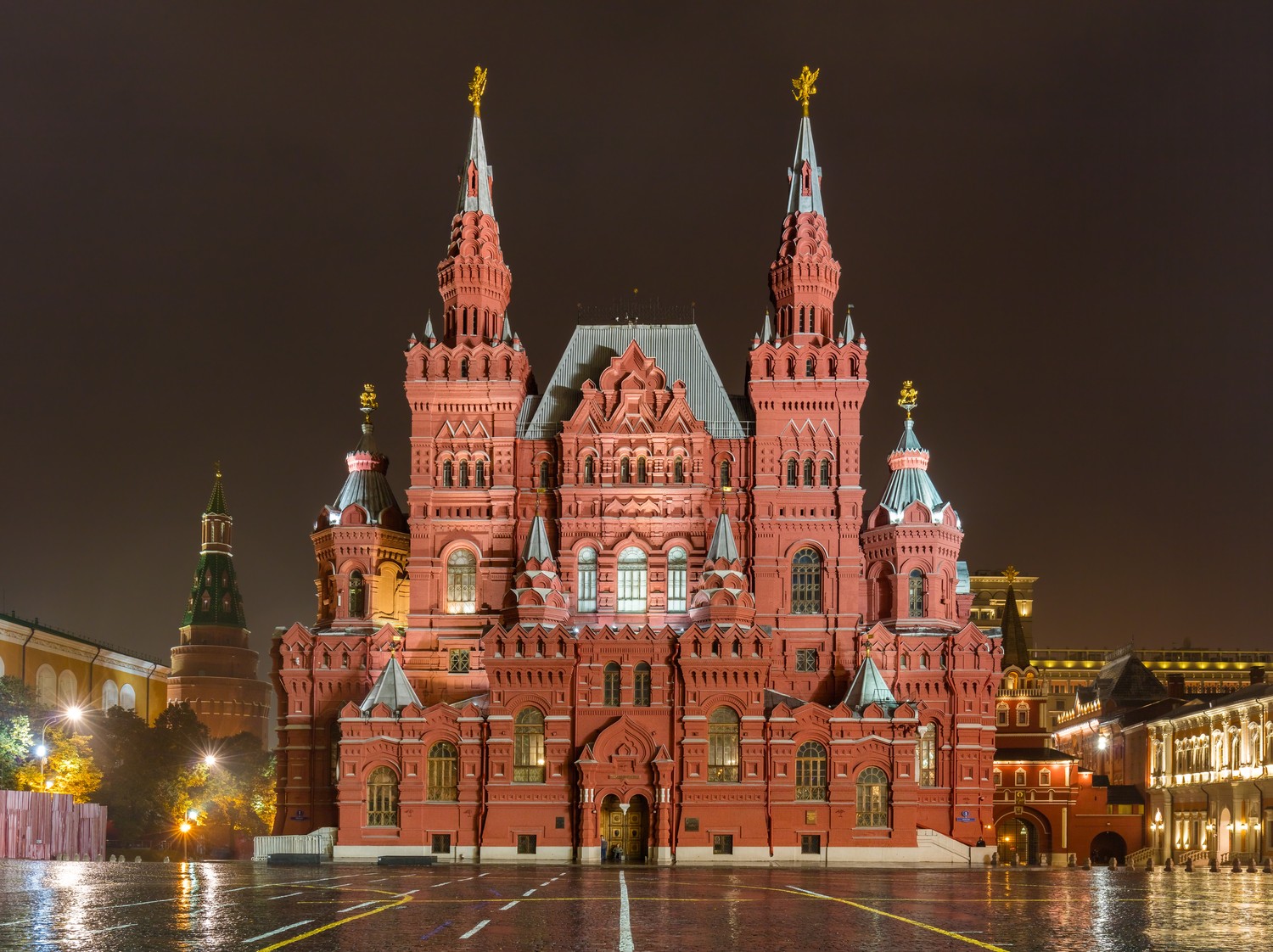
Red Square in Moscow transcends its geographical definition; it is a palimpsest of Russian identity, layered with centuries of triumphs, tragedies, and transformations. To stand within its vast expanse is to feel the weight of history pressing down from every side – the imposing Kremlin walls, the vibrant spectacle of Saint Basil’s Cathedral, the solemn presence of Lenin’s Mausoleum. Originally known as *Pozhar*, meaning “burnt-out place,” a testament to early wooden structures and frequent fires, the square was reborn under Tsar Alexei Mikhailovich, acquiring the name *Krasnaya Ploshchad* – “Red Square.” However, ‘red’ in Old Russian didn’t denote color but signified beauty and importance. This renaming signaled not just a change of designation, but an elevation to the very heart of Moscow’s political and commercial life. For generations, it served as Russia’s central marketplace, a bustling hub where goods from across continents converged, shaping the nation's economic landscape. But Red Square was always more than commerce; it was a stage for public pronouncements, religious processions, and, at times, stark displays of power – including executions that echoed through its cobbled stones.
-
Architectural Harmony & Symbolic Dissonance:
The Kremlin, with its fortified walls and soaring towers, stands as an enduring symbol of Russian authority, housing cathedrals steeped in religious significance and palaces that whisper tales of Tsarist opulence. Opposite the Kremlin’s formidable presence rises Saint Basil’s Cathedral, a whimsical masterpiece commissioned by Ivan the Terrible to commemorate his victory over Kazan. Its riotous collection of onion-shaped domes, each uniquely decorated, defies architectural convention and embodies a distinctly Russian aesthetic – a vibrant expression of faith and imperial power. The GUM department store, an elegant arcade dating back to the late 19th century, adds another layer to this complex tapestry, representing a period of burgeoning commercialism and modernization. Juxtaposed against these historical monuments is Lenin’s Mausoleum, a starkly contrasting structure that embodies the Soviet era's ideological shift. This deliberate dissonance – the collision of imperial splendor with socialist austerity – speaks volumes about Russia’s tumultuous past and its ongoing negotiation with identity.
-
A Canvas for National Narrative:
Red Square has consistently served as a backdrop for pivotal moments in Russian history, evolving from a marketplace to a stage for national celebrations and military displays. Throughout the Soviet period, it became synonymous with grand parades showcasing the nation’s military might, particularly during May Day and the anniversary of the October Revolution. These meticulously choreographed events were not merely demonstrations of power but carefully constructed narratives designed to project an image of strength and unity. Even today, Red Square continues to host significant national events, including Victory Day celebrations commemorating the end of World War II, reaffirming its role as a focal point for collective memory and patriotic fervor.
-
Notable Exhibitions:
Throughout history, Red Square has hosted numerous exhibitions showcasing Russian art and culture. From imperial portraits to avant-garde masterpieces, these displays have captivated audiences and contributed to the square’s reputation as a cultural landmark. The annual May Day parade remains one of the most spectacular events in Moscow, attracting millions of visitors from around the globe.
-
What Makes It Unique:
What truly sets Red Square apart is its ability to embody Russia’s complex and often contradictory history. It's a place where ancient traditions coexist with modern aspirations, where imperial grandeur clashes with socialist austerity, and where moments of profound joy are interwoven with periods of immense suffering. This unique blend of historical layers, architectural marvels, and symbolic weight makes Red Square an unparalleled destination for anyone seeking to understand the soul of Russia.
The square itself, with the exception of the access road leading through it to the Savior Gate of the Kremlin, is a pedestrian zone.
Lobnoye Mesto (Place of Cranes):
Lobnoïe mesto (Lobnoye Mesto) is a translation from Hebrew Golgotha. The place served as a venue for executions and proclamations. Boyards were executed here in 1549, and the decree proclaiming Ivan IV’s ascension to the throne was read aloud on this platform.
-
Saint Basil's Cathedral:
A masterpiece of Russian Orthodox architecture, Saint Basil’s Cathedral is renowned for its vibrant colors and unique design. Its domes are adorned with intricate patterns and symbols representing various saints, reflecting Russia’s religious heritage.
-
The Kremlin Walls:
The Kremlin walls stand as a testament to centuries of Russian defense and imperial power. Their imposing height and fortified structure evoke the grandeur of bygone eras.
Red Square has been the scene of executions, demonstrations, riots, parades, and speeches.
The GUM Department Store:
Founded in 1893, GUM represents a pivotal moment in Moscow’s economic history—the dawn of the Soviet era. Its elegant arcade showcases Russian architectural heritage and offers visitors a glimpse into the opulent lifestyle of the imperial period.
-
Lenin's Mausoleum:
Lenin’s Mausoleum is a solemn reminder of Russia’s communist past, housing the embalmed body of Vladimir Lenin—the leader of the Bolshevik Revolution and the first Soviet head of state.
The square has been used for official ceremonies by all Russian governments since it was established.
Victory Day Celebrations:
Every year, Red Square hosts a grand celebration commemorating Victory Day—the anniversary of Russia’s triumph over Nazi Germany in World War II. Millions of citizens gather to honor the fallen heroes and reaffirm their commitment to national unity and resilience. This annual event underscores Red Square's enduring significance as a symbol of Russian patriotism and remembrance.
The square itself, with the exception of the access road leading through it to the Savior Gate of the Kremlin, is a pedestrian zone.