A Hidden Gem of Italian Renaissance Art – The Parish Church of Sant'Andrea in Cernusco Lombardone
The Parish Church of Sant’Andrea in Cernusco Lombardone stands as a testament to the enduring beauty and artistic innovation of the Italian Renaissance, nestled amidst the picturesque hills of Lombardy. Often overlooked by mainstream tourism routes, this ancient ecclesiastical museum offers visitors an unparalleled opportunity to immerse themselves in a concentrated collection of fourteenth and fifteenth-century masterpieces—a truly rewarding experience for anyone captivated by art history.
Renaissance Painting: Echoes of Artistic Mastery
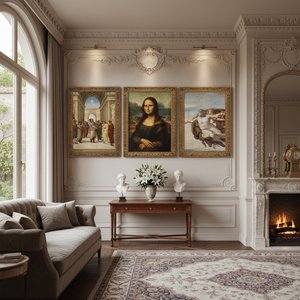
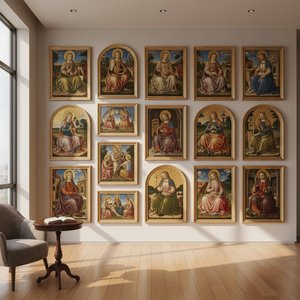
The church’s artistic soul resides primarily in its impressive assemblage of paintings executed during the Renaissance period, showcasing the evolving stylistic trends and groundbreaking techniques of the era. Among the most celebrated works are pieces attributed to Masolino da Firenze, Filippo Lippi, and Pontormo—artists who skillfully captured the spirit of their time through luminous frescoes and intricate compositions. These canvases exemplify the humanist ideals that underpinned the Renaissance, reflecting a profound engagement with classical art and philosophy. The delicate interplay of light and shadow, combined with masterful brushwork, testifies to the exceptional artistic skill prevalent during this transformative period. Particularly noteworthy is Andrea Mantegna’s “La Vierge et l'Enfant avec la Madeleine et Saint Jean-Baptiste” (1505), a monumental fresco demonstrating Mantegna’s mastery of perspective and symbolic representation—a cornerstone of Renaissance art that continues to inspire admiration. Alongside it, Mantegna’s “La Sainte Famille” (1495) presents an intimate portrayal of the Holy Family, imbued with serene beauty and conveying profound spiritual contemplation.
Della Robbia Majolica: Florentine Ceramics – A Decorative Revelation
Adding another layer of visual splendor to Sant’Andrea's collection is a remarkable display of Della Robbia majolica—a distinctive form of glazed terracotta sculpture that flourished in Florence during the Renaissance. These sculptures, characterized by their vibrant colors and remarkably realistic depictions of biblical figures and saints, represent a pivotal advancement in ceramic art. The meticulous craftsmanship involved in creating these pieces underscores the importance placed on decorative arts within Florentine culture—a tradition that continues to inspire artists today. Examining these majolica creations provides insight into the artistic sensibilities and technical prowess of the Renaissance masters. The church houses several examples of Della Robbia’s work, showcasing his innovative use of terracotta glaze and his ability to achieve astonishing levels of detail and naturalism.
Florentine Romanesque Style: Architectural Roots
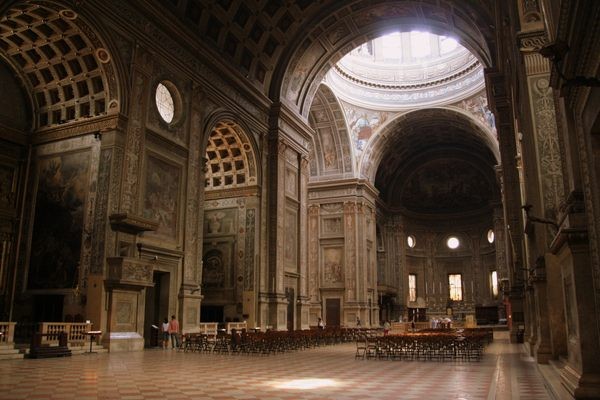
Beyond its paintings, Sant’Andrea possesses a captivating architectural heritage rooted in Florentine Romanesque style. The church's sturdy walls and arched nave embody the grandeur and solemnity characteristic of this medieval tradition—a stylistic influence that subtly shapes the overall atmosphere of the museum space. Constructed originally in the Romanesque era, the building underwent subsequent renovations and expansions reflecting the changing aesthetic preferences of successive generations. Observing the architectural details—the ribbed vaulting, the sculpted capitals, and the monumental façade—offers a tangible connection to Italy’s artistic past. The church's facade is adorned with sculptures depicting saints and biblical scenes, demonstrating the enduring power of religious iconography in Florentine art.
A Tranquil Sanctuary – Unique Aspects of Sant'Andrea
Unlike larger museums burdened by crowds and logistical complexities, Sant’Andrea distinguishes itself as an intimate setting for art appreciation—a sanctuary where visitors can contemplate masterpieces undisturbed. The museum’s relatively modest size allows for a profound engagement with its concentrated collection, fostering a deeper understanding of artistic significance and stylistic evolution. Furthermore, Sant’Andrea retains its role as a parish church, blending the legacy of religious devotion with the allure of artistic heritage—a harmonious fusion that elevates the visitor experience beyond mere observation. The serene ambiance encourages contemplation and reflection, inviting visitors to appreciate the beauty and complexity of Renaissance art within a context of spiritual reverence.
### Notable Exhibitions & Ongoing Research:
The Parish Church of Sant’Andrea continues to attract scholars and enthusiasts alike, fostering ongoing research into its artistic treasures and architectural history. Recent exhibitions have explored connections between Sant'Andrea’s iconography and broader trends in Florentine Renaissance art—illuminating the church’s role as a focal point for artistic innovation and cultural exchange. Future initiatives aim to enhance visitor engagement through interactive displays and educational programs, ensuring that Sant’Andrea’s legacy endures for generations to come.