Menu
CONSEIL EN ART GRATUIT

Palazzo Quirinale

Informations clés

  • Art types: art mural
  • Works on APS: 3
  • Mediums: acrylique sur toile
  • Location: Rome, Italie
  • Plus…
  • Featured artists:
    • Melozzo da Forlì
    • Giovanni Paolo Panini
  • Movements: perspective de la renaissance
  • Alternate names:
    • Palazzo del Quirinale
    • Quirinal Palace
    • Palazzo Quirinale
    • Casa del Presidente

Quiz d'art

Chaque question ne comporte qu'une seule réponse correcte.

Question 1:
Quel est le nom du palais qui abrite la résidence officielle du Président italien ?
Question 2:
Quand a été construit initialement le Palazzo Quirinale ?
Question 3:
Qui était le pape fondateur du Palazzo Quirinale ?
Question 4:
Quel est l'élément architectural majeur du palais ?
Question 5:
Le Palazzo Quirinale est connu pour abriter une importante collection d'art...

Palazzo Quirinale: A Symphony of History and Art

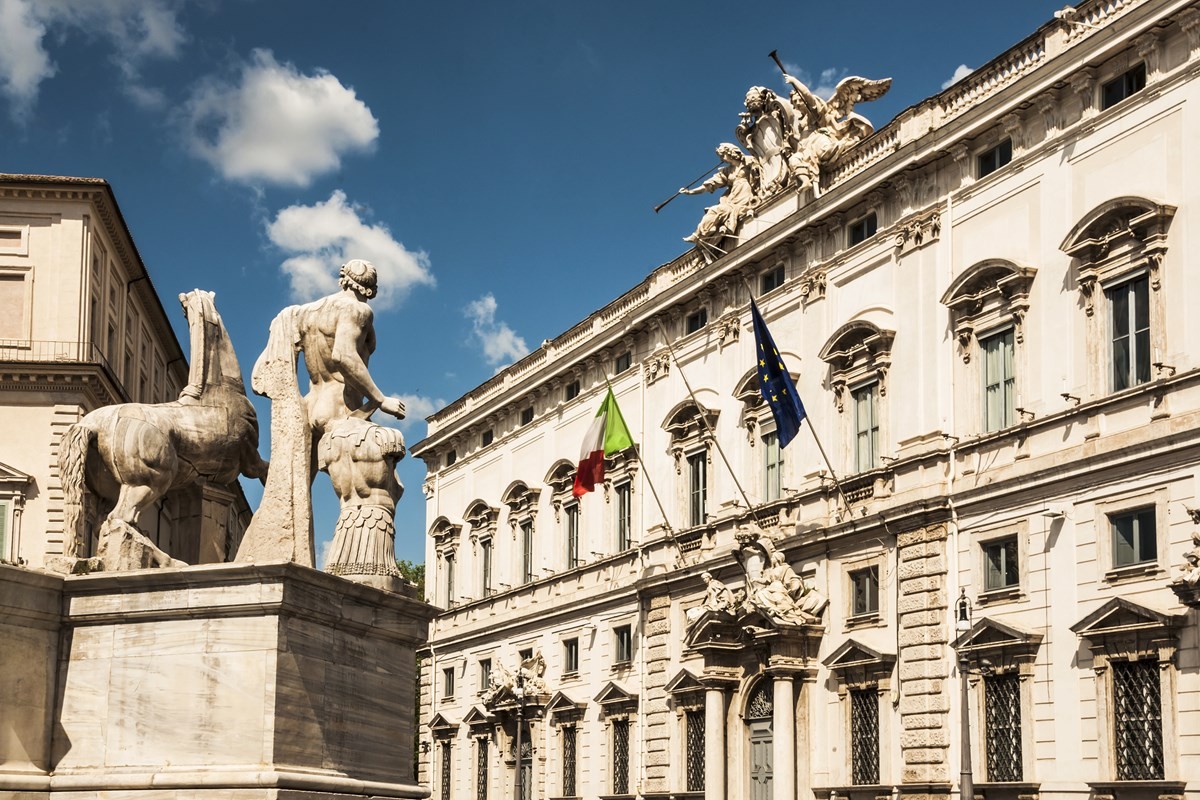
The Palazzo Quirinale stands as a testament to Italy’s enduring legacy—a magnificent edifice that breathes with centuries of royal grandeur, papal influence, and artistic innovation. More than just bricks and mortar, it embodies the narrative arc of Italian history itself, inviting visitors on a journey through epochs marked by political upheaval, cultural blossoming, and architectural brilliance. Located atop Monte Cavallo, Rome’s highest hill, the palace commands panoramic vistas over the city—a strategic position that reflects its role as the seat of power throughout its illustrious past. ### Origins and Evolution: From Papal Retreat to Presidential Residence Construction began in 1574 under Pope Gregory XIII, initially conceived as a summer residence for the papacy – a deliberate choice designed to escape the stifling heat of Rome and foster contemplation amidst serene gardens. Domenico Fontana spearheaded the ambitious project, employing innovative engineering techniques to elevate the palace’s foundations and create a harmonious blend of classical ideals with Renaissance aesthetics. Subsequent rulers—from Alessandro Farnese to Victor Emmanuel III—recognized the palace's symbolic importance and undertook extensive renovations, adapting it to their evolving needs and tastes. The most poignant transformation occurred in 1946 when Palazzo Quirinale became the official residence of Italy’s first President, Sergio Mattarella – a deliberate affirmation of continuity amidst the turbulent postwar years. ### Architectural Marvel: A Fusion of Styles The palace's architecture is itself a captivating story—a masterful synthesis of Renaissance grandeur and Baroque exuberance. Carlo Maderno and Gian Lorenzo Bernini collaborated on monumental additions that dramatically expanded its footprint, creating spaces infused with light and movement. The Loggia delle Benedizioni, sculpted by Bernini, remains an iconic symbol of papal authority and artistic achievement, showcasing intricate baroque ornamentation and breathtaking sculptural detail. Beyond the grand halls, the palace’s gardens—spanning approximately four hectares—offer a tranquil oasis amidst the bustling city, featuring geometric flowerbeds, rare tree species, and meticulously manicured landscapes that reflect Italian garden design traditions. ### Treasures Within: Art Collections That Speak Volumes The Palazzo Quirinale houses an unparalleled collection of artworks spanning centuries—from ancient sculptures to Renaissance masterpieces to contemporary installations. Among its most celebrated treasures are frescoes by Raphael adorning the Sala dei Cartelloni, depicting scenes from Virgil’s Aeneas—a poignant reminder of Rome's mythological roots and artistic heritage. The Galleria Nazionale Italiana d’Arte Moderna showcases a diverse array of Italian art from the early 20th century onward, reflecting the dynamism and experimentation of the avant-garde movement. Furthermore, the palace hosts rotating exhibitions that engage with pressing social and cultural issues—demonstrating its commitment to fostering dialogue and promoting artistic innovation. ### A Living Legacy: Exploring Palazzo Quirinale Today A visit to Palazzo Quirinale is more than simply admiring art; it’s immersing oneself in the history of Italy—a journey through royal courts, papal ceremonies, and republican ideals. Guided tours illuminate the palace's architectural grandeur and reveal captivating anecdotes about its illustrious inhabitants—inspiring visitors to contemplate the enduring legacy of artistic patronage and political leadership. As a symbol of Italian identity, Palazzo Quirinale continues to captivate audiences worldwide—inviting them to experience firsthand the splendor of Rome’s past and embrace the vibrancy of its present.

Collection d'œuvres d'art

Aucune œuvre d'art trouvée.