

Sommaire
Informations clés
- Featured artists: Giuliano da Maiano
- Location: Florence, Italie
- Works on APS: 1
- Alternate names:
- Palazzo Antinori
- Antinori Palace
- FCC Florence
Quiz d'art
Chaque question ne comporte qu'une seule réponse correcte.
Question 1:
Quel style architectural caractérise le Palazzo Antinori ?
Question 2:
Qui a commandé la construction du Palazzo Antinori ?
Question 3:
Le Palazzo Antinori est connu pour sa caractéristique remarquable :
Question 4:
Quelle famille réside historiquement dans le Palazzo Antinori ?
Question 5:
Cantinetta Antinori est un lieu historique associé au Palazzo Antinori spécialisé dans :
Artistes de la collection

Giuliano Da Maiano
Découvrez l'art de la Renaissance de Giuliano da Maiano ! Cet architecte et sculpteur italien a façonné les palais et églises de Florence, célèbre pour ses intarsia, son design et son architecture innovante.

Articles connexes
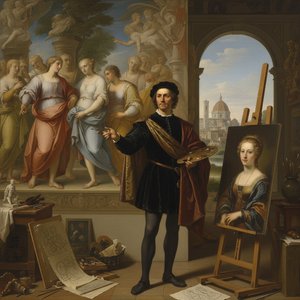
Andrea del Sarto: Florentine Grace, Technical Mastery & Artistic Ambition
Explore the life & art of Andrea del Sarto, a Florentine Renaissance master renowned for harmonious compositions & technical brilliance. Discover his frescoes, portraits, and lasting influence on art history.
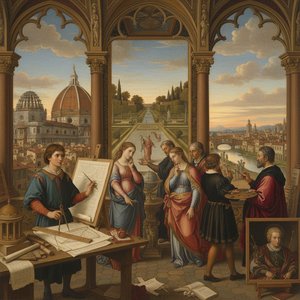
The Dawn of a New Vision: Exploring Themes & Innovations in Early Renaissance Art (c. 1400-1500)
Explore the groundbreaking innovations & humanist ideals of Early Renaissance art (c. 1400-1500). Discover masterpieces by Botticelli, Fra Angelico & more. A deep dive for art enthusiasts.
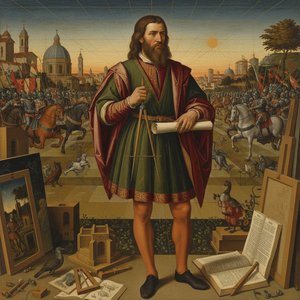
Paolo Uccello : La Perspective Révolutionnaire et la Quête de Vérité Visuelle dans la Renaissance Italienne
Explorez l'univers fascinant de Paolo Uccello et sa révolution de la perspective linéaire. Découvrez son œuvre unique, son influence sur la Renaissance italienne et les techniques qui ont marqué l'histoire de l'art.


Abonnez-vous à notre newsletter
Restez informé(e) des dernières actualités artistiques, des offres exclusives et des idées de décoration.
Recevez 3 suggestions d'œuvres d'art gratuites
Parlez-nous de votre projet et nos experts en art vous proposeront 3 suggestions d'œuvres personnalisées.
Not Sure Where to Start?
Let Us Curate 3 Options Just for You - Free!