A Jewel of Padua: The Oratorio di San Giorgio
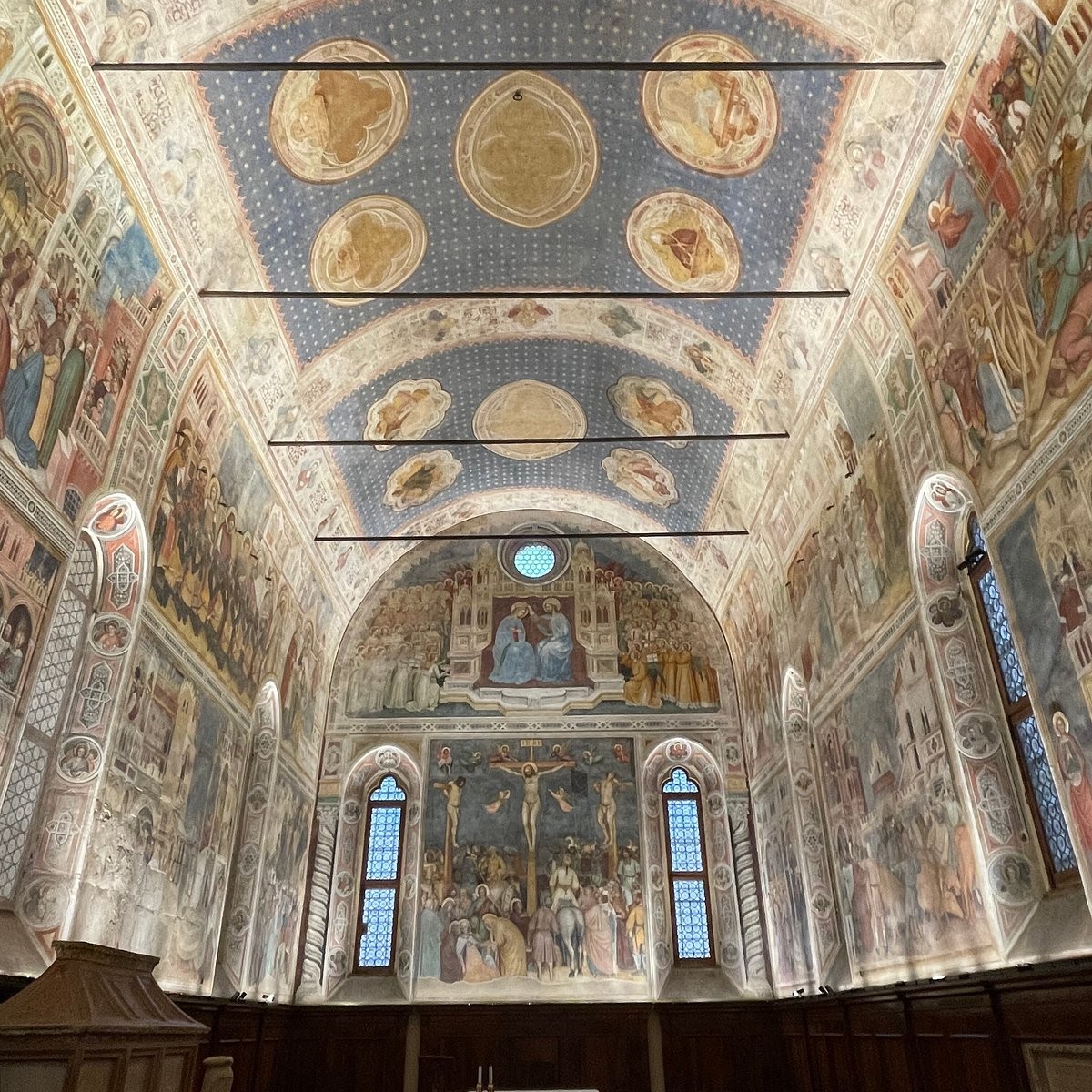
Nestled in the heart of Padua, a city steeped in artistic and intellectual heritage, lies the Oratorio di San Giorgio – a small chapel that holds within its walls a breathtaking testament to 14th-century Italian artistry. Often described as “The Scrovegni Chapel at the other end of the century,” this UNESCO World Heritage site offers an intimate encounter with the vibrant frescoes of Altichiero da Zevio and his workshop, transporting visitors back to a pivotal moment in Renaissance art. More than just a religious space, the Oratorio is a poignant reflection of its time – a family mausoleum imbued with spiritual devotion and aristocratic pride.
Commissioned Legacy: The Birth of Artistic Grandeur
The chapel’s genesis dates back to 1376 when Raimondino de’ Lupi di Soragna, a soldier and diplomat serving the da Carrara lords, entrusted Altichiero da Zevio with creating this memorial for his family. Its location adjacent to the Basilica di Sant'Antonio underscores the interwoven religious and political currents shaping Padua during the era. The commission itself speaks volumes about the values of its patrons – a noble lineage committed to commemorating their ancestors through exceptional artistic achievement. This deliberate choice reflects a broader trend in medieval Venetian society, where funerary monuments served as vehicles for demonstrating social status and upholding familial piety.
Architectural Simplicity: A Canvas of Light
The Oratorio’s exterior exudes understated elegance—constructed of brick with minimal architectural embellishments. This deliberate restraint serves as a dramatic counterpoint to the interior spectacle, where visitors are immediately greeted by an astonishing panorama of color and narrative. The chapel's design embodies the principles of Gothic architecture – prioritizing verticality and conveying solemn grandeur through its proportions. Yet, it’s precisely this simplicity that allows Altichiero’s frescoes to dominate the senses, creating a space where light dances across textured surfaces and illuminates scenes brimming with emotion.
Altichiero’s Frescoes: A Revolutionary Vision
The centerpiece of the Oratorio is undoubtedly its fresco cycle—a monumental undertaking executed by Altichiero da Zevio and his associates between 1379 and 1384. Drawing inspiration from Giotto’s groundbreaking frescoes at the Scrovegni Chapel, Altichiero nevertheless established a distinctive style characterized by heightened realism and expressive manipulation of light and shadow. The figures themselves are imbued with emotion, their gestures conveying profound human experience—a stylistic innovation that foreshadowed developments in Renaissance painting. The narrative sequence unfolds across the walls with palpable drama, guiding the viewer’s gaze from one scene to another and immersing them in a world rendered with meticulous detail. Altichiero's masterful use of perspective—a technique unheard of at the time—further elevates the frescoes’ impact, creating an illusionistic space that transcends the confines of the chapel itself.
Rediscovery & Restoration: Bringing Brilliance Back to Life
The frescoes were initially whitewashed during Napoleon’s reign, only to be painstakingly revived in 1995–1997 through meticulous restoration efforts. These endeavors revealed the original brilliance of Altichiero’s palette and illuminated the intricate details of his compositions—a testament to the dedication of scholars and conservators committed to preserving cultural heritage for future generations. The restoration process underscored the importance of scientific analysis in understanding artistic techniques and safeguarding vulnerable artworks, establishing a precedent for similar interventions throughout Italy.
Notable Exhibitions & Artistic Influence
The Oratorio has hosted several significant exhibitions showcasing scholarly research into Altichiero’s techniques and artistic influences, attracting art historians and enthusiasts alike. These events have fostered dialogue about the role of patronage in shaping artistic production and contributed to a deeper appreciation for Padua's contribution to Renaissance art. Furthermore, the chapel’s influence extends beyond its immediate surroundings—inspiring artists and architects throughout Europe who sought to emulate Altichiero’s innovative vision and masterful execution. Its legacy continues to resonate today as a symbol of Venetian artistic excellence and a beacon of inspiration for aspiring creatives.