


Un joyau florentin embrassant la grandeur baroque
Niché au cœur du quartier historique de Santa Croce à Florence, l' Oratoire de Saint Philippe Néri s'érige comme un sanctuaire profond où les échos de la piété de la Renaissance rencontrent l'intensité dramatique de l'ère baroque. Bien plus qu'un simple lieu de culte, c'est un écrin d'histoire soigneusement préservé, conçu pour inspirer l'émerveillement par ses décorations opulentes et son art monumental. L'air même qui imprègne ses murs semble murmurer des récits de réforme spirituelle et d'innovation artistique, offrant un aperçu rare de l'âme de la culture florentine. Fondé par Saint Philippe Néri —un réformateur charismatique reconnu pour sa compassion et son dévouement envers les pauvres—l'Oratoire fut établi pour favoriser une communauté liée non par des vœux formels, mais par le lien sacré de la charité.
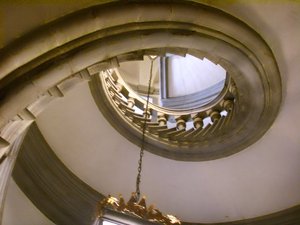
Dès l'entrée, l'architecture elle-même commence à s'exprimer, présentant des courbes sinueuses, une ornementation dramatique et des plafonds vertigineux qui illustrent la splendeur théâtrale du milieu du XVIIe siècle. L'édifice reflète les tendances stylistiques prédominantes de son époque, construit principalement entre 1640 et 1653, créant un espace où chaque élément architectural est pensé pour élever l'expérience spirituelle par une excellence esthétique inégalée.
Chefs-d'œuvre d'ombre et de lumière
Le véritable cœur de ce trésor artistique réside dans sa collection époustouflante, marquée notamment par la présence du chef-d'œuvre de Caravage , La Mise au tombeau du Christ . Commandée entre 1603 et 1604, cette œuvre monumentale constitue une pierre angulaire de l'art baroque, captivant chaque visiteur par sa maîtrise magistrale du clair-obscur . À travers une manipulation habile de la lumière et de l'ombre, Caravage insuffle la vie à la solennité du rituel funéraire, plongeant le spectateur dans l'émotion profonde de la scène. La composition dramatique capture le poids du corps du Christ déposé sur un linceul de lin, encadré par la douleur poignante de Marie Madeleine et la présence immuable de Joseph d'Arimathée.
Au-delà des ombres de Caravage, l'Oratoire révèle une dimension plus légère et céleste à travers les œuvres visionnaires de Giovanni Battista Tiepolo . L'espace est paré de tapisseries splendides qui complètent la grandeur architecturale, notamment La Vierge apparaissant à Saint Philippe Néri . Dans cette œuvre, Tiepolo—l'architecte incontesté de la lumière vénitienne—utilise son éclat rococo emblématique et une palette vibrante pour dépeindre un moment d'inspiration divine. Cette intersection entre le terrestre et le céleste offre un contraste saisissant avec les profondeurs sombres du Caravage, créant un dialogue visuel entre différentes époques de la maîtrise italienne.
Pour l'amateur d'art, le collectionneur ou le décorateur d'intérieur en quête du summum du mécénat artistique cohérent, l'Oratoire offre une expérience qui transcende la simple observation. Il demeure une destination où les érudits peuvent disséquer les nuances du design baroque et où les voyageurs peuvent trouver un moment de réflexion sereine, découvrant un espace où l'art monumental du passé continue d'illuminer le présent.


