

Informations clés
- Location: Lucca, Italie
- Works on APS: 6
- Featured artists:
- Fra Bartolomeo
- domenico di pace beccafumi
- ventura di archangelo salimbeni
- justus sustermans, joost sustermans or suttermans, his given name italianised to giusto
- Girolamo Macchietti
- Alternate names:
- Musée National du Palais Mansi
- Palais Mansi
- Palais Mansi National Museum
- Le Musée National du Palais Mansi
- Museo Nazionale di Palazzo Mansi
Quiz d'art
Chaque question ne comporte qu'une seule réponse correcte.
Question 1:
Quel style architectural caractérise le Palazzo Mansi ?
Question 2:
Qui a chargé la transformation du palais en sa magnifique résidence baroque ?
Question 3:
Quel type de collection artistique est principalement présenté au Palazzo Mansi ?
Question 4:
La salle de musique au sein du palais est remarquable pour présenter:
Question 5:
Quel est Palazzo Mansi considéré comme principalement ?
Artistes de la collection
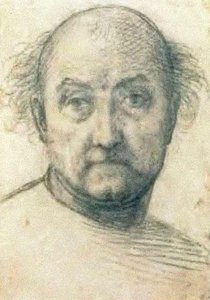
Fra Bartolomeo
Découvrez Fra Bartolomeo (1472-1517), maître florentin de la Haute Renaissance ! Admirez son art religieux serein, ses drapés magistraux et son influence profonde sur Raphaël.


domenico di pace beccafumi
Découvrez Beccafumi (1486-1551), maître siennois de la Renaissance ! Explorez son style maniériste unique, ses fresques émouvantes et son art captivant.
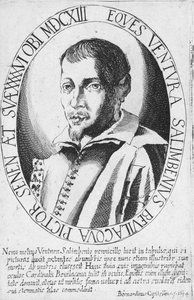
Ventura Salimbeni
Découvrez Ventura Salimbeni (1568-1613), peintre italien de la Contre-Manière de Sienne. Explorez ses fresques religieuses, influencées par Barocci et Cigoli, ainsi que ses dessins préparatoires. Une figure clé du XVIIe siècle !
Articles connexes

Le Drame Baroque : L'Art qui Apporte la Splendeur dans Votre Intérieur
Plongez dans l'univers somptueux du baroque ! Découvrez son histoire, comment l'intégrer à votre intérieur et les œuvres incontournables. : reproductions d'art de qualité supérieure.

Les 10 Chefs-d'œuvre Baroques qui ont Révolutionné l'Art |
Plongez au cœur du baroque avec les 10 chefs-d'œuvre de Caravaggio, Rembrandt et Rubens. Découvrez l'histoire fascinante de ces artistes et leurs tableaux célèbres. Reproductions d'art de qualité muséale sur – Explorez la collection !

The Visceral Stage: Exploring Dramatic Narratives & Emotional Intensity in Baroque Art
Explore the dramatic world of Baroque art! Discover iconic masters like Caravaggio & Rembrandt, their techniques, and the movement's lasting impact. Expert insights for collectors & enthusiasts at OriginalUniqueArt.
Collection d'œuvres d'art
Aucune œuvre d'art trouvée.


Restez informés de notre actualité
Restez informé(e) des dernières actualités artistiques, des offres exclusives et des idées de décoration.
Recevez 3 suggestions d'œuvres d'art gratuites
Parlez-nous de votre projet et nos experts en art vous proposeront 3 suggestions d'œuvres personnalisées.
Not Sure Where to Start?
Let Us Curate 3 Options Just for You - Free!