

Informations clés
- Alternate names:
- Musée diocésain de Palerme
- MUDIPA
- Musée diocésain
- Museo Diocesano
- Location: Palerme, Italie
- Works on APS: 1
- Featured artists: Pietro Novelli
Quiz d'art
Chaque question ne comporte qu'une seule réponse correcte.
Question 1:
Quel est le domaine artistique principal auquel le Museo Diocesano di Palermo est dédié ?
Question 2:
Dans quel bâtiment historique se trouve le Museo Diocesano de Palerme ?
Question 3:
Quelle période artistique domine les œuvres exposées au Museo Diocesano ?
Question 4:
Une œuvre remarquable de la collection du musée sont les sculptures de Domenico Gagini. Quel type d'expression artistique sont ces sculptures connues pour ?
Question 5:
Les fragments provenant initialement de la Cathédrale de Palerme sont présentés au Museo Diocesano. Quel objectif servent ces fragments pour améliorer la compréhension du visiteur ?
Artistes de la collection
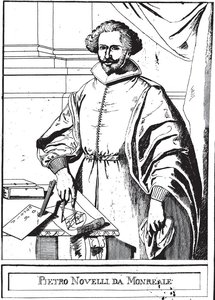
Pietro Novelli
Pietro Novelli (1603-1647), 'Raphaël de Sicile', était un maître baroque à Palerme. Explorez ses peintures dynamiques influencées par Van Dyck et les Caravagistes, présentant des scènes religieuses et des portraits de la noblesse sicilienne.

Articles connexes
Lumières et Mutations : L'Art du XIVe Siècle, Entre Tradition Gothique et Prémices de la Renaissance
Explorez l'art du XIVe siècle : de l'apogée de l'enluminure gothique à la révolution naturaliste de la peinture italienne. Découvrez Giotto, Duccio et les prémices de la Renaissance avec OriginalUniqueArt.

Theatricality & Triumph: Baroque Drama in Painting & Sculpture
Explore the dramatic world of Baroque art! Discover its history, defining characteristics, & lasting influence on painting & sculpture. Expert insights into Caravaggio, Zurbarán, and Bernini – plus high-quality reproductions at OriginalUniqueArt.
Echoes of Antiquity: Enduring Themes & Techniques in Classic Art
Explore the enduring legacy of classical art! Discover ancient Greek & Roman influences, Renaissance masterpieces, and timeless techniques. Expert insights for collectors & enthusiasts at OriginalUniqueArt.


Abonnez-vous à notre newsletter
Restez informé(e) des dernières actualités artistiques, des offres exclusives et des idées de décoration.
Recevez 3 suggestions d'œuvres d'art gratuites
Parlez-nous de votre projet et nos experts en art vous proposeront 3 suggestions d'œuvres personnalisées.
Not Sure Where to Start?
Let Us Curate 3 Options Just for You - Free!