A Glimpse into Old Bologna: Museo Davia Bargellini
The Museo Davia Bargellini in Bologne, Italie, offers a captivating voyage through the artistic and cultural heritage of the city—a journey that begins within the magnificent Palazzo Davìa Bargellini itself. Constructed in 1638 by Camillo Bargellini, a Senatorial family member, this palazzo stands as an enduring symbol of Baroque grandeur, its façade graced with colossal statues sculpted by Gabriele Brunelli and Francesco Agnesini – figures embodying strength and civic pride—a testament to Bologna’s commitment to preserving its artistic legacy. The building's history intertwines with tales of prominent Bolognese lineages who commissioned opulent interiors and amassed impressive collections of art and decorative objects, reflecting Bologna’s enduring role as a center for creativity and erudition.
Architecture & History
The Palazzo Davia Bargellini is more than just stone and mortar; it’s a living chronicle of Bolognese society. Architect Bartolomeo Provaglia deliberately eschewed the classical order—the portico—to emphasize the palazzo's singular character, prioritizing openness to showcase its grandeur. The monumental staircase, designed in 1730 by Carlo Francesco Dotti and Alfonso Torreggiani during Bologna’s golden age, ascends with three buttresses adorned with stucco work—a masterful display of artistic skill that speaks volumes about the patronage of Bolognese nobility. Its history is inextricably linked to the fortunes of the Bargellini and Davìa families who shaped its personality over centuries, reflecting Bologna's enduring spirit of innovation and refinement.
Collections & Specializations
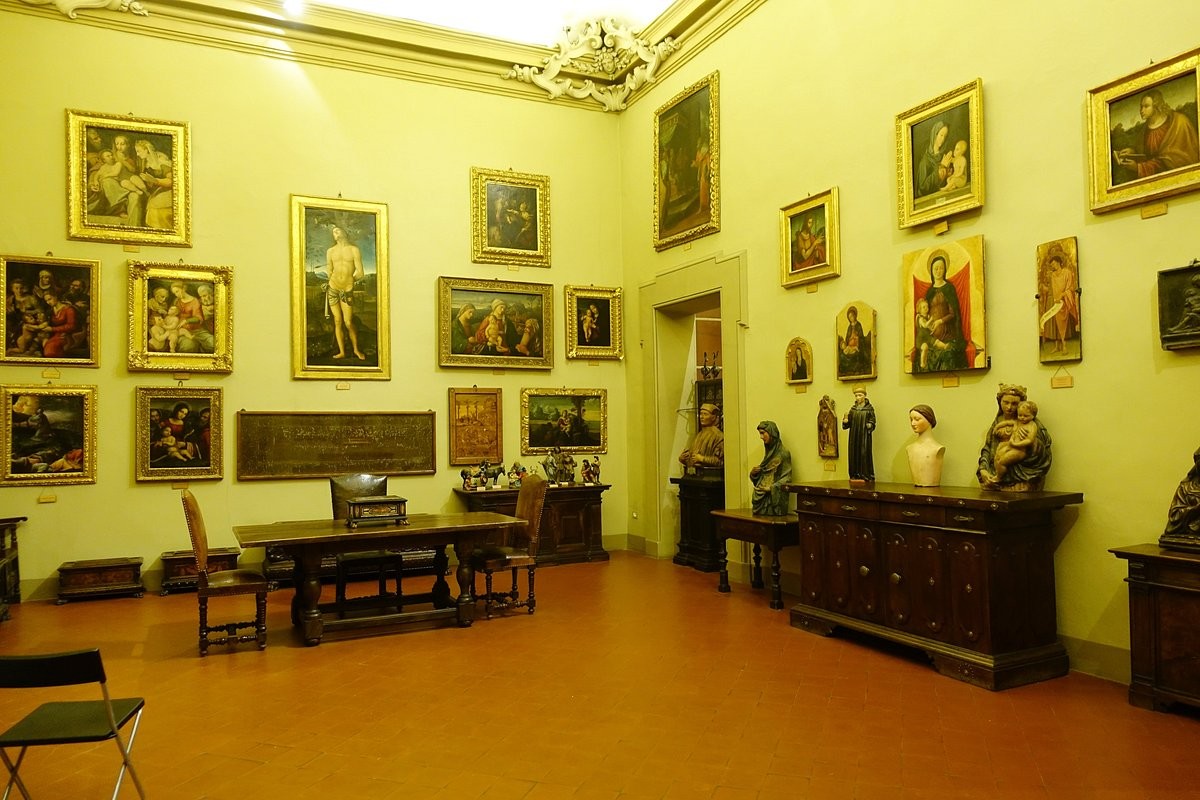
The Museo Davia Bargellini’s collection distinguishes itself through its remarkable breadth—spanning from medieval iconography to 19th-century decorative arts—and it’s particularly celebrated for its paintings. Among the treasures housed within are works by masters such as Vitale da Bologna, Simone dei Crocifissi, Cristoforo da Bologna and Giuseppe Maria Crespi – artists who captured the essence of their time with unparalleled technique and emotive storytelling. These canvases depict scenes from Bolognese life—religious narratives alongside portraits of noble families—offering viewers a glimpse into the artistic sensibilities of bygone eras. Beyond painting, the museum boasts an extraordinary assortment of objects showcasing craftsmanship: ceramics reflecting Bolognese traditions, liturgical robes imbued with religious symbolism, keys symbolizing authority and prestige, ornate door knobs crafted with meticulous detail, marionettes from street theaters transporting visitors back to Bologna’s vibrant past, furniture embodying elegance and comfort, iron grille work adding structural beauty to the palazzo's interior—and even a gilded carriage – a symbol of aristocratic status and lavish celebration. Furthermore, sculptures—busts and statuettes for presepi—enrich the museum’s artistic offerings, reflecting Bolognese devotion and artistic creativity.
Notable Exhibitions & Research
The Museo Davia Bargellini regularly hosts exhibitions exploring diverse themes—from Bolognese Renaissance art to Baroque sculpture—illuminating lesser-known facets of Bologna's cultural heritage. Recent research has focused on reconstructing the palazzo’s original decorative scheme, utilizing archival documents and scientific analyses to recreate the splendor of its former glory. The museum’s curators have painstakingly traced the provenance of artworks—often originating from aristocratic collections—providing visitors with invaluable insights into Bolognese artistic taste and patronage throughout history.
What Makes it Unique
The Museo Davia Bargellini stands apart from other museums by embracing a holistic approach to art history—one that considers not only masterpieces but also everyday objects and cultural traditions. Unlike institutions prioritizing solely canonical works, this museum seeks to immerse visitors in the atmosphere of Bolognese life during the Renaissance and Baroque periods—a captivating experience for anyone interested in exploring the artistic roots of Italian culture. Its origins as a private collection assembled by the Davìa Bargellini families contribute to its intimate character—a palpable connection to the passions and tastes of Bolognese aristocrats who sought to surround themselves with beauty and refinement.