Un Héritage de Passion : Dévoiler les Trésors du Musée Salar Jung
Le Musée Salar Jung s'érige comme un témoignage inégalé d'une vision singulière—celle du Nawab Mir Yousuf Ali Khan III, Salar Jung III, qui consacra sa vie et une fortune considérable à l'assemblage de l'une des collections les plus extraordinaires au monde. Situé au sein du complexe historique de Dar-ul-Shifa à Hyderabad, en Inde, ce musée est bien plus qu'un simple dépôt d'artéfacts ; c'est une chronique vibrante tissée de mécénat royal, d'échanges artistiques et d'un dévouement inébranlable à la préservation du patrimoine culturel. Établie en 1951 après le décès du Nawab, l'institution propose un voyage immersif à travers l'histoire de l'art, révélant non seulement des objets, mais aussi les courants culturels profonds qui les ont façonnés au fil des siècles.
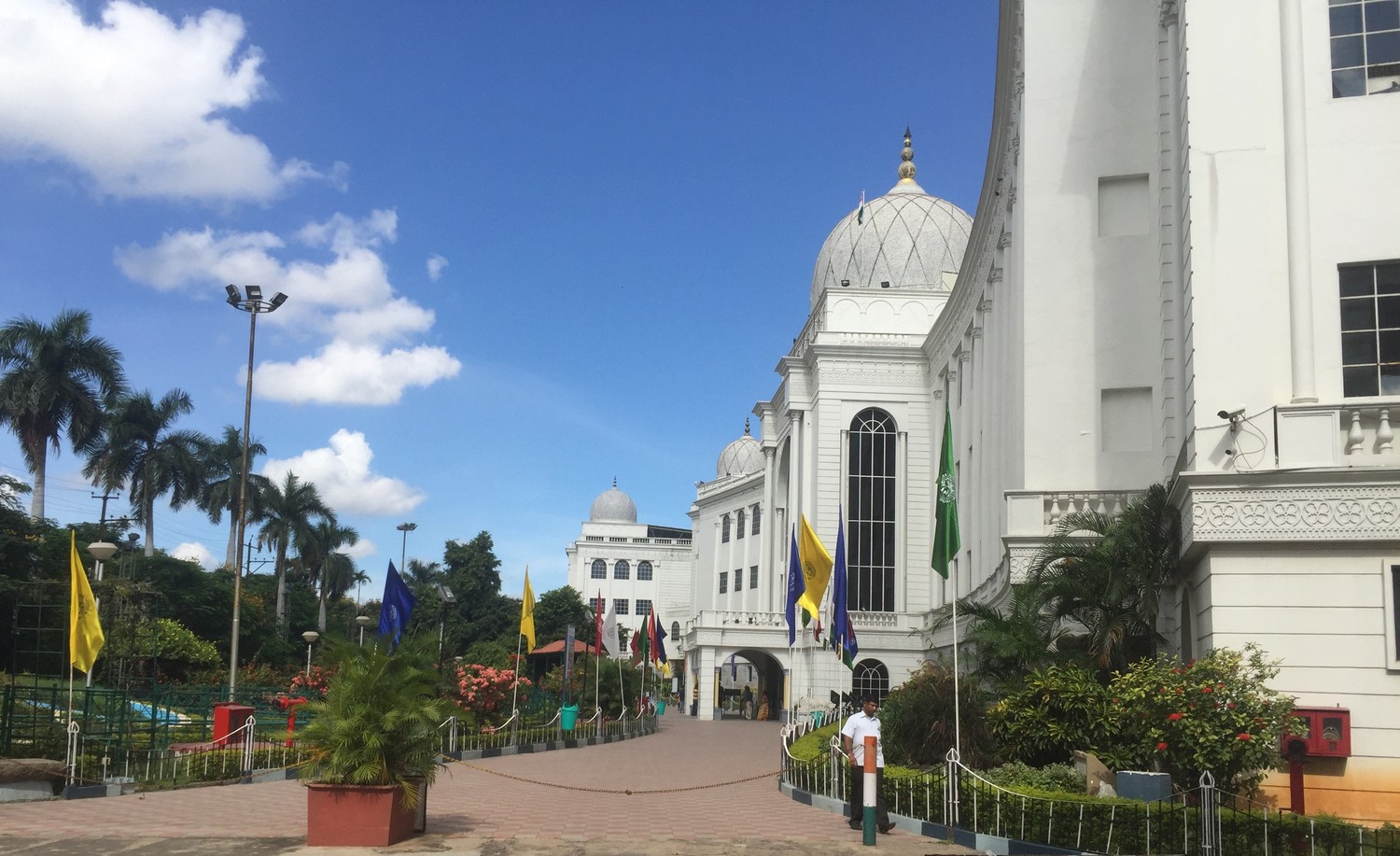
Les origines du musée sont profondément ancrées dans l'ambition de Mir Turab Ali Khan, Salar Jung I, qui fut Premier ministre de l'État d'Hyderabad. Poussé par une fascination profonde pour les antiquités, il se lança dans une quête ambitieuse pour constituer une collection rivalisant avec les plus grands musées d'Europe—un objectif que son fils, Salar Jung III, poursuivit résolument avec une ferveur encore plus grande. Si la demeure initiale de cette collection bourgeonnante était le Diwan Devdi, le musée a finalement été transféré en 1968 dans son magnifique édifice actuel. Conçue par Mohammed Fayazuddin, l'architecture incarne un mélange harmonieux de l'esthétique traditionnelle indienne et d'influences européennes, créant une scène grandiose qui honore la majesté des trésors abrités entre ses murs.
Un Kaléidoscope de Cultures Mondiales
Déambuler dans les galeries du Musée Salar Jung, c'est expérimenter un kaléidoscope époustouflante de traditions artistiques mondiales. La collection est remarquablement diverse, traversant continents et époques avec une fluidité sans couture. Dans la section d'Art Indien, les visiteurs découvrent un éventail étonnant de sculptures en bronze, allant des détails complexes des figures du Gandhara au dynamisme puissant des bronzes du Deccan. Cette section respire également à travers la vie de textiles exquis, de peintures miniatures représentant les écoles moghole, rajasthanie et du Deccan, ainsi que des sculptures sur ivoire qui dépeignent les nuances délicates de la vie royale. Chaque pièce sert de fenêtre sur l'artisanat méticuleux et la sensibilité esthétique des époques indiennes révolues.
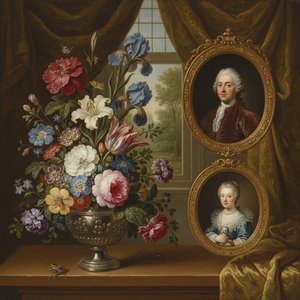
Le voyage se poursuit vers l'Orient et l'Occident à travers des galeries soigneusement organisées qui jettent un pont entre des civilisations lointaines. La section d'Art du Moyen-Orient présente une exposition éblouissante de céramiques de Perse, avec des récipients richement ornés qui témoignent de siècles de raffinement artistique, aux côtés de manuscrits enluminés où la calligraphie et les motifs géométriques incarnent une profonde signification symbolique. Simultanément, les collections d'Extrême-Orient captivent par la beauté délicate de la porcelaine et des bronzes chinois et japonais imprégnés de symbolisme bouddhiste. Ce dialogue mondial est complété par la section d'Art Européen, qui offre une sélection de peintures, de sculptures et de mobilier reflétant l'esthétique néoclassique—témoignage de l'appréciation sophistiquée de Salar Jung III pour les formes d'art occidentales.
Le Chef-d'œuvre de Marbre et l'Esprit d'Unicité
Parmi les trésors les plus célèbres du musée figure sans aucun doute « La Rebecca Voilée » , une statue en marbre du sculpteur italien Giovanni Maria Benzoni. Cette œuvre d'une beauté envoûtante, représentant Rebecca enveloppée dans un voile translucide, est un portrait magistral de l'émotion et de la prouesse technique qui capture l'essence même de l'ère du Grand Tour. De tels chefs-d'œuvre définissent l'âme du musée ; ils ne sont pas de simples expositions, mais des points d'ancrage émotionnels qui résonnent chez les amateurs d'art comme chez les collectionneurs.
Ce qui distingue véritablement le Musée Salar Jung des autres institutions étatiques est son fondement sur une passion personnelle et unique. Contra à de nombreux musées construits grâce à des dotations institutionnelles, cette collection a été assemblée par un seul homme au cours de trente-cinq années de collecte passionnée. Cette touche personnelle imprègne le musée d'un sentiment inégalé d'intimité et d'authenticité. De l'ivoire finement sculpté aux armes imposantes, chaque objet reflète le goût raffiné et la curiosité intellectuelle d'un homme qui cherchait à inviter la beauté du monde dans sa demeure. Pour le designer d'intérieur ou l'historien, le musée offre une inspiration infinie, représentant le sommet de la créativité humaine et un héritage destiné à inspirer les générations à venir.