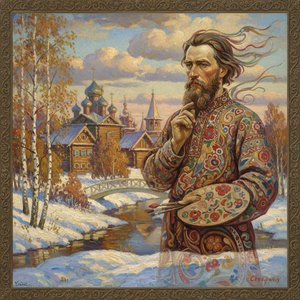
Nikolai Yaroshenko (1846-1898) : peintre réaliste ukrainien majeur, membre des "Peredvizhniki". Ses œuvres poignantes dépeignent les luttes sociales et les portraits saisissants. Un artiste engagé.
Explore the evocative landscapes of Vasily Makimov (1844-1911), a Russian artist renowned for his luminist style & Ukrainian roots. Discover his impactful paintings.
A Legacy of Artistic Vision: Exploring the Poltava Regional Art Museum
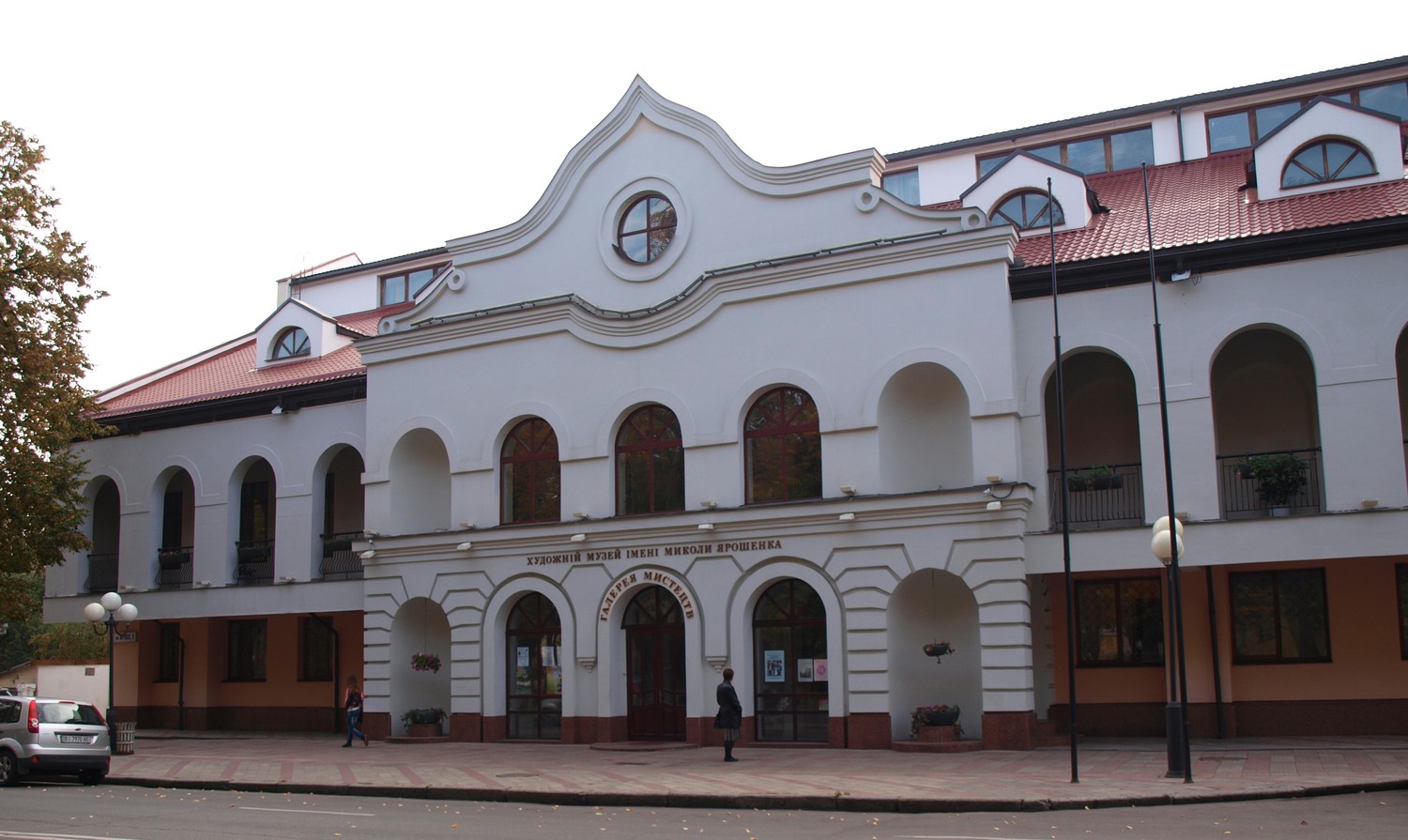
The Poltava Regional Art Museum stands as a testament to Ukraine’s enduring artistic spirit—a beacon illuminating the path through centuries of cultural evolution. Situated in the heart of Poltava, itself steeped in history as the birthplace of Ukrainian Romanticism and the site of Napoleon's devastating siege, this museum isn’t merely a repository of artworks; it’s a living chronicle of artistic movements and national identity. Founded in 1917 with a generous bequest from Nikolai Yaroshenko—a pivotal figure in the Itinérants movement—the museum began its journey as “The Museum of Arts,” embodying the fervent idealism of its inaugural era.
Origins Rooted in Romanticism: The Founding Vision
Yaroshenko’s gift, comprising his personal collection and a profound dedication to preserving artistic heritage, established a bedrock upon which Mikhail Rudynsky built the institution's foundation in 1919. Initially focused on showcasing Yaroshenko’s oeuvre alongside works by fellow Itinerants—artists who championed realism and emotional expression—the museum quickly broadened its scope, reflecting the dynamism of the interwar years. The early collection prioritized landscapes imbued with Romantic fervor, capturing the grandeur of Ukrainian wilderness and conveying a deep connection to the land's soul. These canvases, dominated by muted hues and dramatic compositions, exemplify the movement’s preoccupation with sublime beauty—a desire to confront viewers with the immensity of nature and the insignificance of human existence. This initial artistic impulse continues to resonate within the museum’s core identity.
A Diverse Collection Reflecting Artistic Crossroads
Today, the Poltava Art Museum boasts an astonishingly varied collection—a kaleidoscope of styles spanning Ukrainian art, Russian art from the 19th and 20th centuries, and significant pieces of Western European art. Among its treasures are canvases by Ivan Shishkin (“Pine Forest”), Ilya Repin (“Boris Godunov”), Vasily Maksimov (“The Volga Boatmen”), and monumental works by Giovanni Battista Tiepolo and Peter Paul Rubens—though sadly diminished due to wartime losses. However, the museum’s true distinction lies in its ethnographic exhibit, delving into the traditions and folklore of the Poltava region—a vibrant tapestry woven from centuries of cultural heritage. Visitors can admire intricate embroidery depicting scenes from Ukrainian mythology and observe meticulously crafted wooden carvings reflecting regional craftsmanship. Furthermore, a dedicated room honors Nikolai Yaroshenko himself, featuring his iconic self-portrait alongside breathtaking depictions of Caucasian landscapes – an embodiment of Romantic idealism.
Architectural Elegance: The Zemstvo Building’s Artistic Soul
The museum's current home is housed within a building originally conceived as a Zemstvo (regional government) edifice in 1903–1908, designed by Vasyl Krychevsky—a landmark of Ukrainian Art Nouveau architecture. This ornate structure exemplifies the stylistic trends prevalent at the time, characterized by flowing lines, floral motifs, and intricate ornamentation. The building’s façade speaks volumes about the aspirations of its era – a desire for beauty and grandeur that finds expression in every detail, from stained glass windows to sculpted reliefs. These elements contribute to an atmosphere of refined elegance—a deliberate contrast to the austere utilitarianism of earlier governmental buildings. Krychevsky skillfully incorporated natural materials like limestone and sandstone, creating a harmonious blend between architectural form and organic inspiration.
Notable Exhibitions & Ongoing Engagement
The Poltava Art Museum actively engages with contemporary audiences through thoughtfully curated exhibitions that illuminate connections between past and present artistic practices. Recent displays have explored themes ranging from Ukrainian national identity to explorations of color theory and artistic technique, fostering dialogue and enriching visitors’ understanding of art history. Moreover, educational programs cater to students and scholars alike, ensuring that the legacy of Ukrainian artistic heritage continues to inspire future generations. Collaborations with local artists and cultural institutions promote cross-disciplinary engagement and contribute to a dynamic intellectual environment.
Explore the enchanting world of Ivan Bilibin, a master Russian illustrator who synthesized folklore, Art Nouveau & national identity. Discover his iconic fairy tale illustrations and legacy with OriginalUniqueArt.
Explore the life & art of Igor Grabar, a pivotal figure in Russian Modernism. Discover his Impressionist landscapes, crucial role in art history, and legacy at the Tretyakov Gallery. A deep dive into a master painter & scholar.
Explore the captivating world of Victor Vasnetsov, a co-founder of Russian folklorist painting. Discover his iconic works, influence on national identity, and lasting legacy in this expert guide.
OAssistant du studioEn ligne · répond en une minute
Bonjour ! Je peux vous aider à choisir une œuvre d'art, à suivre une commande ou à répondre à vos questions sur la garantie. Comment puis-je vous aider ?