Menu
CONSEIL EN ART GRATUIT

Musée Prudente de Moraes

Informations clés

  • Works on APS: 1
  • Alternate names:
    • Musée Prudente de Moraes
    • Museu Prudente de Moraes
    • MPM
  • Location: Piracicaba, Brazil
  • Featured artists: Birmingham Small Arms Company

Quiz d'art

Chaque question ne comporte qu'une seule réponse correcte.

Question 1:
Quel est le domaine d'étude principal du Musée Prudente de Moraes ?
Question 2:
Qui était Prudente José de Morais Barros et quel rôle lui est-il attribué dans l’histoire brésilienne ?
Question 3:
La signification régionale du musée est illustrée par la présentation de :
Question 4:
Quel style architectural caractérise le bâtiment du musée ?
Question 5:
Les objets exposés dans le musée reflètent principalement :

A Legacy Etched in Stone and Memory: Exploring the Prudente de Moraes Museum

The Prudente de Moraes Museum stands as a beacon of Brazilian cultural heritage—a testament to Piracicaba’s commitment to preserving its past while fostering intellectual curiosity. Established in 1928, this institution transcends mere display; it embodies the spirit of an era defined by republican ideals and artistic fervor – specifically mirroring the stylistic sensibilities prevalent during Prudente José de Morais Barros' lifetime: Neo-Classical Revival, characterized by symmetry, grandeur, and meticulous ornamentation. Its design reflects an ethos of civic pride and intellectual pursuit—a reflection of the museum’s founding purpose: to safeguard Brazil’s republican heritage and inspire future generations with a profound appreciation for artistic expression and historical understanding.

Collection Highlights: Treasures of Republican Brazil

The museum's collection is remarkably diverse, reflecting the multifaceted cultural landscape of late 19th-century Brazil. Among its most captivating treasures are portraits depicting prominent figures – including Maria Luiza de Almeida Moraes (a bust capturing her dignified countenance) and Francisco Mariano Corrêa de Moraes (a male portrait imbued with palpable emotion). These artworks serve as windows into the personalities and aspirations of individuals who shaped Brazil’s formative years, embodying the Romantic spirit that permeated artistic circles across Europe. Furthermore, documentary materials—letters exchanged between statesmen, photographs documenting daily life, and official documents detailing legislative debates—provide invaluable context for understanding the complexities of republican governance. The museum also houses a selection of decorative arts, showcasing furniture crafted in styles emblematic of the period – reflecting both grandeur and practicality. Notably, the Museo Prudente de Moraes holds a significant collection of ceramics from São Paulo’s colonial past alongside tools used by Brazilian farmers—illuminating the daily life of the time.

Architectural Reflection: A Building Rooted in Tradition

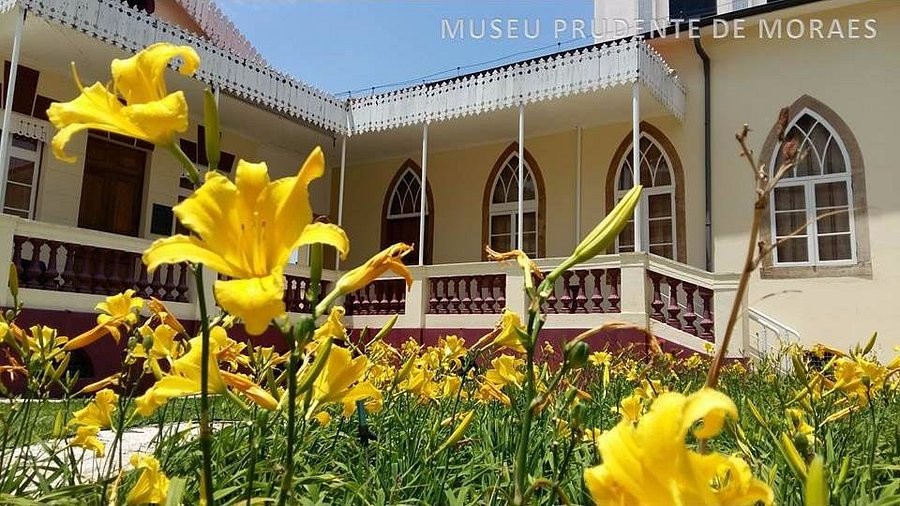
The museum building itself stands as a tangible embodiment of Neo-Classical Revival – a stylistic movement that prioritized symmetry, proportion, and ornamentation to convey notions of order and prestige. While precise details regarding its original construction remain elusive due to limited archival records, it undoubtedly adheres to stylistic conventions typical of Brazilian architecture at the time—a deliberate choice reflecting Piracicaba’s aspiration for civic grandeur and intellectual refinement. Its façade is adorned with Corinthian columns and sculptures depicting allegorical figures – symbols of virtue and reason—underscoring the museum's commitment to upholding cultural values rooted in tradition.

History & Context: From Imperial Roots to Republican Aspirations

The Prudente de Moraes Museum’s narrative intertwines seamlessly with Brazil’s tumultuous transition from imperial rule to republican governance. Established shortly after 1889, it commemorates the pivotal moment when Prudente José de Morais Barros—the First Civilian President elected by popular vote—ushered in a new era of democratic legitimacy. The museum meticulously examines this transformative period—highlighting the Federalist Revolution of 1889 – a dramatic uprising against imperial authority – alongside the equally significant War of Canudos, demonstrating how Piracicaba’s cultural landscape mirrored – and actively participated in – broader societal shifts. Its curators delve into the influence of European Romanticism on Brazilian art and literature—establishing connections between artistic movements across continents.

Notable Exhibitions & Ongoing Research

Recognizing the importance of disseminating knowledge beyond its walls, the Prudente de Moraes Museum regularly hosts exhibitions exploring diverse facets of Brazilian history and culture. Recent initiatives have focused on examining the influence of European Romanticism on Brazilian art and literature—highlighting connections between artistic movements across continents. Furthermore, ongoing research endeavors aim to reconstruct the social and economic conditions prevalent during Prudente de Moraes’ presidency – utilizing archival materials and scholarly analyses to enrich our comprehension of this transformative epoch. Collaborations with universities and researchers ensure that the legacy of Prudente de Moraes continues to inspire intellectual dialogue and foster a deeper appreciation for Brazilian heritage.

What Makes It Unique: A Celebration of Piracicaba's Identity

The Prudente de Moraes Museum distinguishes itself as more than simply a repository of artifacts; it represents Piracicaba’s unwavering dedication to preserving its cultural identity—a symbol of republican ideals and artistic fervor. Its curators strive to engage visitors with interactive models or panels that allow them to touch and feel the textures of original pieces—creating immersive experiences that transcend traditional museum displays. The museum's courtyard ('Quintal') serves as a space for gatherings—hosting performances and fostering community spirit—reflecting Piracicaba’s vibrant cultural traditions. A visit to this institution is indispensable for anyone seeking to grasp the essence of Brazil’s republican genesis – a journey into artistry, intellect, and the enduring spirit of national identity.