

Sommaire
Informations clés
- Location: Belgrade, Serbia
- Alternate names:
- Народни музеј Србије
- National Museum of Serbia
- National Museum
- Musée National de Serbie
- Narodni Muzej
- Works on APS: 1
- Featured artists: Mary Stevenson Cassatt
Quiz d'art
Chaque question ne comporte qu'une seule réponse correcte.
Question 1:
Quel est le mouvement artistique principalement représenté dans la collection du musée, notamment l'art médiéval serbe ?
Question 2:
Les découvertes archéologiques remarquables du musée proviennent principalement de:
Question 3:
Quel est le chef-d'œuvre emblématique du musée, reconnu comme une œuvre majeure de l’art médiéval serbe ?
Question 4:
Quel bâtiment abrite le musée ?
Question 5:
L'œuvre de Rubens présente dans le musée est une peinture remarquable caractérisée par:
Artistes de la collection

Mary Stevenson Cassatt
Découvrez Mary Cassatt (1844-1926), peintre impressionniste américaine ! Ses œuvres intimes célèbrent les femmes, la maternité et la vie moderne. Admirez ses chefs-d'œuvre !

Articles connexes
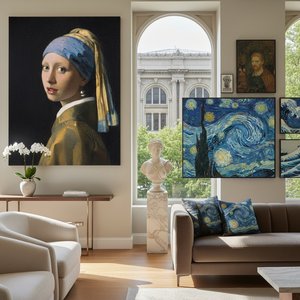
Les 25 Chefs-d'œuvre du Metropolitan Museum of Art : Voyage Artistique et Décor d'Exception
Plongez au cœur du Metropolitan Museum of Art avec notre sélection des 25 œuvres les plus emblématiques. Découvrez l'histoire de Van Gogh, Monet et d'autres maîtres, et trouvez l'inspiration pour une décoration intérieure raffinée. Reproductions de qualité muséale sur OriginalUniqueArt.com.
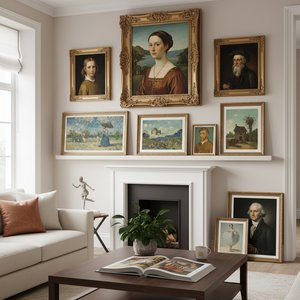
Les 25 Chefs-d'œuvre Incontournables de la National Gallery of Art : Peintures et Décor d'Exception
Plongez au cœur des 25 chefs-d'œuvre de la National Gallery of Art, Washington ! Découvrez l'histoire fascinante de Cézanne, Matisse, Picasso et bien d'autres. Trouvez l'inspiration déco et admirez les reproductions tableaux exceptionnelles sur OriginalUniqueArt.com.
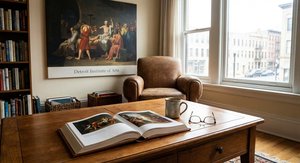
Les 25 Chefs-d'œuvre du DIA : Voyage Artistique au Cœur de Detroit | OriginalUniqueArt
Plongez au cœur du DIA Detroit ! Découvrez les 25 chefs-d'œuvre de Van Gogh, Monet et Rembrandt. Explorez l'histoire fascinante de ces tableaux célèbres et trouvez l'inspiration déco sur OriginalUniqueArt.com.


Abonnez-vous à notre newsletter
Restez informé(e) des dernières actualités artistiques, des offres exclusives et des idées de décoration.
Recevez 3 suggestions d'œuvres d'art gratuites
Parlez-nous de votre projet et nos experts en art vous proposeront 3 suggestions d'œuvres personnalisées.
Not Sure Where to Start?
Let Us Curate 3 Options Just for You - Free!