
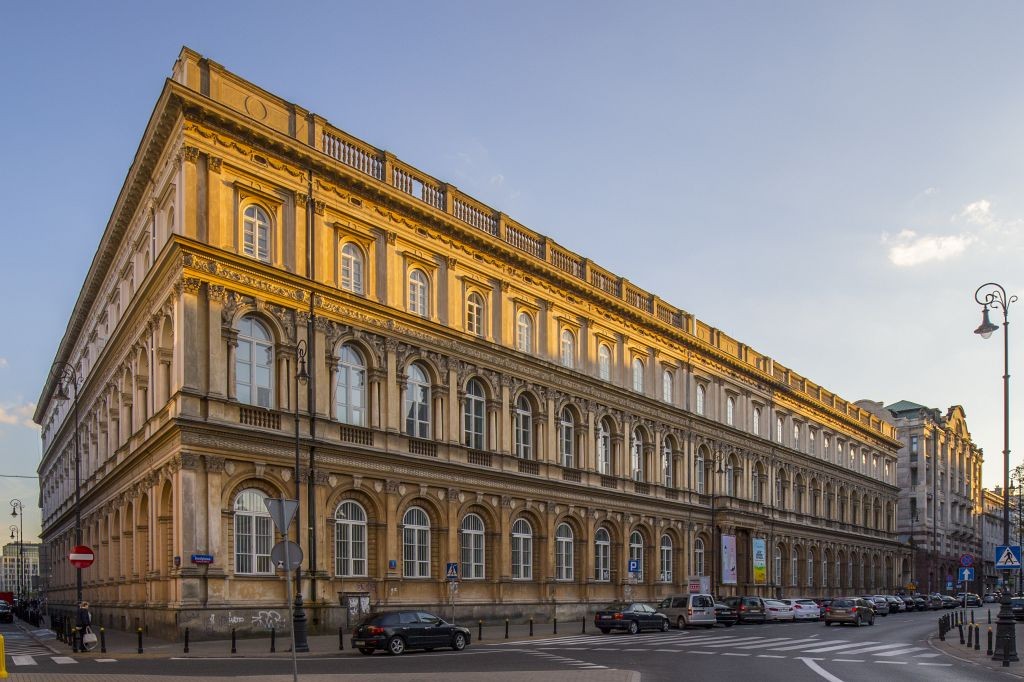
Informations clés
- Featured artists:
- Teofil Ociepka
- ignacy (isaac) krieger
- lucinski, wladyslaw
- janusz jędrzejewicz
- stanisław rompa
- Alternate names:
- Państwowe Muzeum Etnograficzne w Warszawie
- Musée National dEthnographie
- Le Musée Ethnographique dÉtat de Varsovie
- NME
- Works on APS: 59
- Location: Varsovie, Pologne
Quiz d'art
Chaque question ne comporte qu'une seule réponse correcte.
Question 1:
Quel est le principal objectif du Musée ethnographique national de Varsovie ?
Question 2:
La collection du musée présente notamment des objets provenant de quels continents ?
Question 3:
Quelle collection est particulièrement réputée pour sa représentation remarquable des cultures africaines ?
Question 4:
La bâtisse du musée reflète une certaine valeur esthétique et témoigne d'une volonté particulière :
Question 5:
Ce qui distingue le musée ethnographique national de Varsovie des autres institutions culturelles ?
Artistes de la collection

Teofil Ociepka
Découvrez Teofil Kwiatkowski (1809-1891), peintre polonais célèbre pour ses portraits de Chopin & son style unique mêlant art polonais et français. Explorez son héritage sur OriginalUniqueArt !


Ignacy Krieger
"meta_description": "Ignacy Krieger, photographe polonais du XIXe siècle, immortalise la vie et les monuments de Cracovie avec des portraits, paysages et détails précis. Découvrez son héritage artistique unique."

Władysław Lucinski
Wladyslaw Lucinski : artiste polonaise emblématique de l’art naïf, connu pour ses peintures vibrantes représentant la vie quotidienne et les traditions folkloriques. Découvrez son style unique et son héritage sur OriginalUniqueArt.
Articles connexes
L'Art comme Architecture : Peintures sur Mesure et Identité Spatiale des Environnements Intérieurs
Sublimez votre intérieur avec des peintures sur mesure et des fresques personnalisées. Artistes experts, qualité musée, conseils gratuits. Créez un espace unique & raffiné avec OriginalUniqueArt.

Echoes of Heritage: Continuity & Innovation in Traditional Art Forms
Explore the rich history of cultural heritage & folk art traditions worldwide! Discover inspiring artists, preservation efforts, and museum collections. Find handmade oil paintings & expert insights at OriginalUniqueArt.
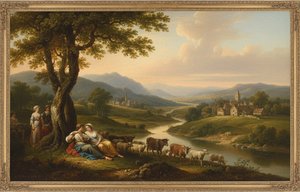
Idyllic Visions: Exploring the Pastoral Tradition in Western Art – Themes, Techniques & Enduring Appeal
Explore the rich history of pastoral art from classical Arcadia to contemporary interpretations. Discover key artists, themes & collecting tips at OriginalUniqueArt.
Collection d'œuvres d'art
Aucune œuvre d'art trouvée.


Abonnez-vous à notre newsletter
Restez informé(e) des dernières actualités artistiques, des offres exclusives et des idées de décoration.
Recevez 3 suggestions d'œuvres d'art gratuites
Parlez-nous de votre projet et nos experts en art vous proposeront 3 suggestions d'œuvres personnalisées.
Not Sure Where to Start?
Let Us Curate 3 Options Just for You - Free!