Un portail vers une ère dorée : l'héritage vivant de la Maison Hallwyl
Franchir le seuil du Musée Hallwyl à Stockholm revient à pénétrer dans une capsule temporelle méticuleusement préservée, un portail ouvert directement sur le monde opulent de la noblesse suédoise de la fin du XIXe siècle. Contrairement à de nombreux musées qui exposent des œuvres traitant d'une époque, la Maison Hallwyl propose une expérience immersive : elle est cette époque, fidèlement recréée comme la demeure et la collection de la comtesse Wilhelmina von Hallwyl et de son époux, le comte Walther. Il ne s'agit pas seulement d'une vitrine d'objets magnifiques ; c'est le récit poignant d'une famille, de ses passions et de sa place au sein d'une société en pleine mutation. L'air même qui imprègne ces murs semble retenir le souffle d'une ère révolue, invitant les visiteurs à errer dans des pièces restées pratiquement intactes depuis le tournant du siècle.
L'architecture elle-même s'érige en un prélude époustouflant aux trésors qui se cachent en son sein. Conçu par le célèbre architecte Isak Gustaf Clason entre 1893 et 188, l'extérieur du palais puise son inspiration dans des prototypes médiévaux et la grandeur romantique de la Venise de la Renaissance, évoquant un sentiment de prestige et de poids historique. Pourtant, derrière cette façade classique se cache une merveille d'innovation pour son temps. Les von Hallwyl furent des pionniers du progrès, intégrant des commodités à la pointe de la modernité tels que l'électricité, le chauffage central et même le téléphone dans leur sanctuaire privé. Cette juxtaposition fascinante entre esthétique historique et avancée technologique en dit long sur l'identité de la famille : profondément ancrée dans la tradition, mais embrassant avec enthousiasme l'aube d'une ère nouvelle.
La vision de la Comtesse : une tapisserie mondiale d'art et d'artisanat
Le cœur du musée bat au rythme de l'extraordinaire collection amassée par la comtesse Wilhelmina von Hallwyl. Animée par une curiosité insatiable et un œil averti, elle a voyagé à travers l'Europe et l'Asie, rassemblant plus de 50 000 objets qui reflètent son profond amour pour l'artisanat mondial. Pour l'amateur d'art ou le collectionneur, les galeries offrent un assemblage aussi éclectique qu'harmonieux d'arts décoratifs. On peut se retrouver fasciné par la délicatesse de la porcelaine chinoise, la complexité des peintures japonaises ou la présence imposante et solennelle des armes et armures européennes. Cette collection n'est pas une simple démonstration de richesse, mais un dialogue orchestré entre des cultures lointaines, réunies par la vision singulière d'une femme.
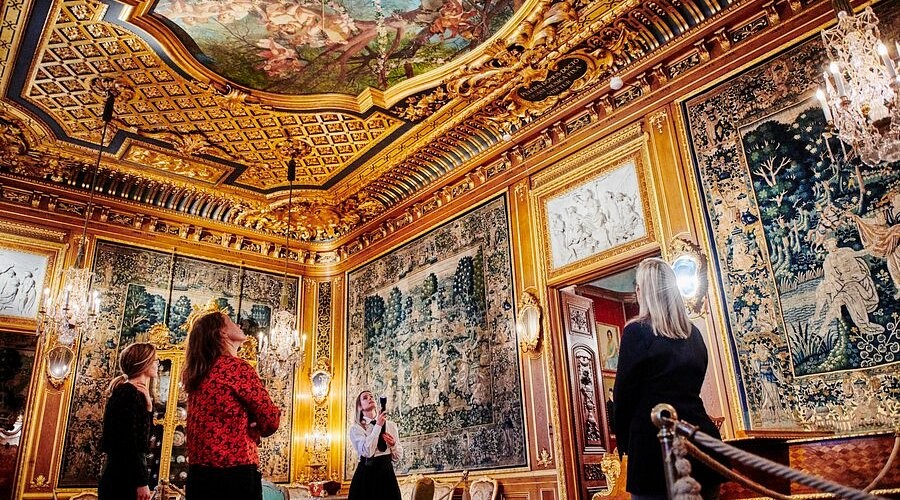
Chaque recoin de la demeure offre une nouvelle découverte pour le passionné de design. Les intérieurs sont un chef-d'œuvre d'élégance victorienne tardive, présentant des meubles exquis, des textiles richement tissés et des manuscrits rares qui murmurent des récits de quête intellectuelle. De la grande salle à manger dressée pour un festin somptueux à l'intimité feutrée de la bibliothèque, l'agencement de ces objets demeure exactement tel que la comtesme l'avait souhaité. Son dévouement au détail était si profond qu'elle a méticuleusement catalogué chaque pièce elle-même, veillant à ce que la provenance et l'esprit de sa collection perdurent. Cet engagement envers l'authenticité fait du Musée Hallwyl un sanctuaire pour ceux qui cherchent à comprendre l'essence véritable du luxe historique.
Un monument vivant de la préservation
Ce qui distingue véritablement le Musée Hallwyl des autres institutions historiques est son engagement indéfectible envers la préservation, un mandat instauré en 1920 par la comtesse elle-même. Elle a stipulé que la maison et son contenu demeurent inchangés, protégeant non seulement les objets mais aussi l'atmosphère même de la vie noble. Ce niveau rare d'intégrité permet aux visiteurs contemporains de vivre l'intimité des espaces privés — les chambres à coucher, les fumoirs et le billard — comme si les von Hallwyl venaient tout juste de s'absenter un instant. C'est un lieu où l'histoire ne s'étudie pas à distance, mais se ressent à travers la texture du velours et la lueur des éclairages d'époque.
Au-delà de ses trésors permanents, le musée continue d'insuffler la vie au passé à travers des expositions réfléchies qui jettent un pont entre l'histoire et la recherche moderne. Qu'il s'agisse d'explorer les implications sociales controversées de la « Guerre du Corset » ou de s'émerveiller devant l'art délicat des maisons de poupées miniatures lors d'expositions temporaires, le musée demeure un centre vibrant d'exploration culturelle. Pour les décorateurs d'intérieur en quête d'inspiration ou les historiens traçant la lignée des arts décoratifs suédois, le Musée Hallwyl s'érige comme un monument inégalé à la puissance d'une vie pleinement vécue et d'une collection profondément aimée.