

Un sanctuaire de l'éclat hispanique au cœur de Castres
Niché dans le paysage tranquille et pittoresque de Castres, en France, se trouve un trésor culturel qui défie les attentes géographiques : le Musée Goya. Cette institution singulière sert de pont profond entre les nations, se consacrant à la préservation et à la célébration de la vibrante tapisserie du patrimoine artistique espagnol bien au-delà des frontières de la péninsule Ibérique. Franchir le seuil de ce musée, c'est s'embarquer pour un voyage immersif à travers des siècles de créativité, là où les ombres du passé rencontrent la liberté expressive de l'ère moderne. Fondé en 1840 avec l'ambition noble d'exposer l'art hispanique à un public européen plus large, le musée est devenu un phare pour les érudits comme pour les passionnés, offrant une expérience organisée qui transcende la simple observation.
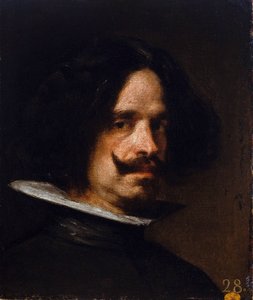
L'âme du musée est inextricablement liée à l'héritage monumental de Francisco Goya. En tant que l'une des figures les plus influentes de l'histoire de l'art occidental — souvent salué à la fois comme le dernier des Maîtres Anciens et le premier des modernes — la présence de Goya imprègne toute la collection. Les visiteurs peuvent se tenir devant ses chefs-d'œuvre grandioses, tels que le monumental La Junta de las Filipinas , ou se laisser captiver par la profondeur psychologique intime de portraits comme l' Autoportrait aux lunettes . Pourtant, le récit du musée s'étend bien au-delà d'un seul nom ; c'est une riche mosaïque présentant les œuvres lumineuses de Diego Velázquez, la touche éthérée de Bartolomé Esteban Murillo et l'intensité dramatique d'El Greco. Ce vaste assemblage de plus de 5 000 pièces permet une exploration époustouflante de la manière dont l'art espagnol a répondu aux courants socio-politiques de son époque, des Lumières aux drames humains profonds de la guerre.
Grandeur architecturale et résonance historique
Le cadre de la collection est tout aussi magistral que les toiles qu'il abrite. Le musée réside au sein du Palais des Évêques de Castres, une merveille architecturale qui incarne l'opulence splendide du style baroque français. Conçu par le légendelle Jules Hardouin-Mansart — l'architecte même responsable de la grandeur de Versailles — le palais s'érige comme un témoignage du prestige du XVIIe siècle. Construit en 1675, la structure offre une toile de fond majestueuse où l'art et l'architecture coexistent en parfaite harmonie. Ce sentiment de grandeur s'étend également aux paysages environnants, qui ont été inspirés par la main méticuleuse d'André Le Nôtre, le maître des jardins à la française. Pour l'amateur d'art ou le décorateur d'intérieur, le musée offre une leçon profonde sur la manière dont l'espace, la lumière et le contexte historique peuvent sublimer l'expérience de contemplation des beaux-arts.
L'histoire de l'institution est celle d'une revitalisation et d'un dévouement continus. Bien que ses racines remontent au milieu du XIXe siècle, c'est en 1947 que le musée a formellement consolidé sa spécialisation dans l'art hispanique, une mission qui n'a fait que s'approfondir avec le temps. Une rénovation récente et spectaculaire, achevée en avril 2023, a transformé le musée en une merveille contemporaine, comprenant 23 salles méticuleusement organisées s'étendant sur 1 500 mètres carrés. Cette modernisation inclut l'intégration d'une salle d'exposition au sein de l'ancienne abbaye des Cèdres, mêlant la sérénité monastique à une scénographie de pointe. À travers des expositions récentes explorant l'influence du maniérisme et le rôle des arts décoratifs dans la vie aristocratique, le musée continue de s'affirmer comme un espace dynamique où l'histoire n'est pas seulement préservée, mais activement réinterprétée pour l'œil moderne.
Ce qui distingue véritablement le Musée Goya des autres institutions mondiales est sa concentration inégalée d'art espagnol hors d'Espagne. Il offre bien plus qu'une simple visite de galerie ; il propose une rencontre intime avec l'âme espagnole. Pour les collectionneurs et les décorateurs en quête d'inspiration, le musée fait office de masterclass sur l'évolution du style, de la texture et de l'émotion. Il demeure un témoignage de la puissance durable de l'art à favoriser l'appréciation culturelle et à relier les divers fils de l'histoire humaine par le langage partagé de la beauté et de la tragédie.