

Sommaire
Informations clés
- Works on APS: 2
- Location: Paris, France
- Featured artists:
- jean-françois raffaelli
- norbert goeneutte
- Alternate names:
- Musée du Luxembourg
- Luxembourg Museum
Quiz d'art
Chaque question ne comporte qu'une seule réponse correcte.
Question 1:
Quel est le domaine principal de spécialisation du Musée du Luxembourg ?
Question 2:
Quels artistes sont fréquemment exposés au Musée du Luxembourg ?
Question 3:
Dans quel bâtiment remarquable le Musée du Luxembourg abrite-t-il ses expositions ?
Question 4:
Quand le Musée du Luxembourg a-t-il été fondé comme première galerie d'art publique à Paris ?
Question 5:
Qu'est-ce qui distingue le Musée du Luxembourg des autres musées dotés de collections permanentes importantes ?
Artistes de la collection

jean-françois raffaelli
Découvrez les peintures et sculptures réalistes de Jean-François Raffaëlli, représentant la vie parisienne. Champion du 'caractérisme', il a rapproché l'impressionnisme du réalisme social. Explorez son héritage chez OriginalUniqueArt!


norbert goeneutte
French painter Norbert Goeneutte (1854-1894) excelled in landscapes & illustrations, notably for Zola's 'La Terre'. Explore his art & life alongside Van Gogh.
Articles connexes
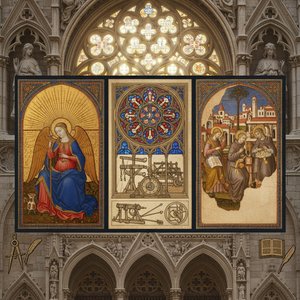
Lumières et Mutations : L'Art du XIVe Siècle, Entre Tradition Gothique et Prémices de la Renaissance
Explorez l'art du XIVe siècle : de l'apogée de l'enluminure gothique à la révolution naturaliste de la peinture italienne. Découvrez Giotto, Duccio et les prémices de la Renaissance avec OriginalUniqueArt.

La Fresque de Plafond Moderne : Un Ciel Intérieur pour un Design d'Exception
Découvrez l'art de la fresque au plafond moderne ! Explorez notre guide expert pour sublimer votre intérieur. Techniques, inspirations & création sur mesure par des artistes talentueux.
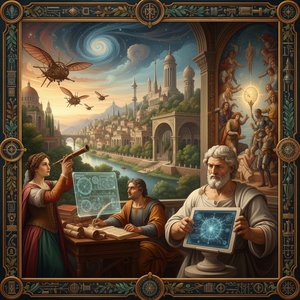
La Renaissance Réinventée : Humanisme, Art et Transformations Culturelles (XIVe–XVIe Siècles)
Explorez la Renaissance italienne : humanisme, grands maîtres (Léonard de Vinci, Michel-Ange), et innovations artistiques. Découvrez l'histoire de l'art avec OriginalUniqueArt.com.
Collection d'œuvres d'art
Aucune œuvre d'art trouvée.


Abonnez-vous à notre newsletter
Restez informé(e) des dernières actualités artistiques, des offres exclusives et des idées de décoration.
Recevez 3 suggestions d'œuvres d'art gratuites
Parlez-nous de votre projet et nos experts en art vous proposeront 3 suggestions d'œuvres personnalisées.
Not Sure Where to Start?
Let Us Curate 3 Options Just for You - Free!