Menu
CONSEIL EN ART GRATUIT

Musée du fleuve - Musée des rameurs

Informations clés

  • Featured artists:
    • Frederick Waters Watts
    • John Piper
    • Jan Siberechts
    • Nick Schlee
    • chris gollon
  • Art types: art mural
  • Location: Thames, New Zealand
  • Movements: impressionistic landscape
  • Plus…
  • Works on APS: 12
  • Mediums: acrylique sur toile
  • Alternate names:
    • Musée du fleuve - Musée des rameurs
    • Musée des rameurs du fleuve
    • RRM
    • Musée du fleuve

Quiz d'art

Chaque question ne comporte qu'une seule réponse correcte.

Question 1:
Quel est le principal axe narratif du Musée du fleuve – Musée des rameurs ?
Question 2:
Comment l’architecture du musée contribue-t-elle à son expérience ?
Question 3:
Au-delà des équipements de rame, quels autres types d'artefacts sont inclus dans la collection du musée ?
Question 4:
Qu'est-ce qui distingue particulièrement cette musée ?
Question 5:
Pourquoi le Musée du fleuve – Musée des rameurs est considéré comme une destination incontournable pour les passionnés et les familles ?

Echoes of Oars and Artistic Visions: Exploring the River – Rowing Museum

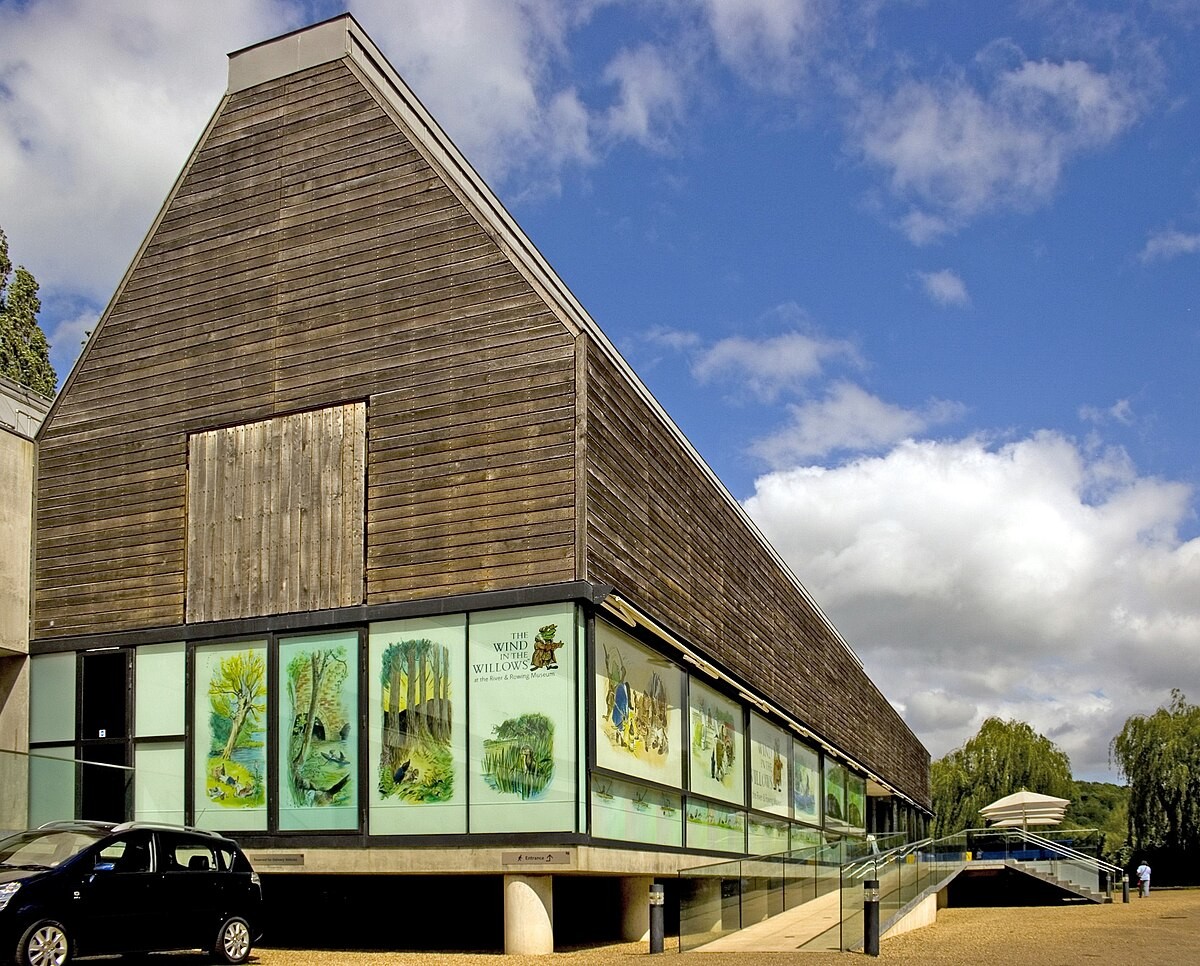
Nestled in the tranquil embrace of Thames, New Zealand, the River – Rowing Museum transcends the conventional boundaries of a historical institution; it’s an immersive experience designed to captivate those who appreciate both artistic expression and the enduring legacy of maritime tradition. Founded with a singular purpose—to safeguard the heritage of rowing alongside the broader cultural tapestry woven along the Waikato River—this museum stands as a testament to New Zealand's fascination with watercraft and its ability to translate historical narratives into compelling visual representations. More than simply displaying objects, it strives to evoke emotion and inspire contemplation – mirroring the very essence of rowing itself: focus, perseverance, and connection to the natural world. A Collection That Speaks Volumes The museum’s collection is remarkably diverse, reflecting centuries of maritime history and showcasing a profound understanding of how artistic mediums can capture pivotal moments in time. Dominating the gallery space are impressive examples of vintage rowing shells—each vessel bearing witness to countless races and embodying the spirit of competition that has shaped New Zealand's sporting identity. These meticulously preserved relics offer tangible evidence of technological advancements over generations, from early wooden oars to the aerodynamic hulls of modern racing boats. Alongside these maritime treasures lie exquisitely crafted watercraft models – miniature replicas capturing the grandeur of historic ships and conveying a sense of wonder about seafaring exploration. But perhaps the most striking element of the collection is its artistic dimension. Paintings by renowned artists like Gideon Yates—particularly his panoramic depiction of Thames Up River From London Bridge—transport visitors back to the atmosphere of wartime London, illustrating how art can convey emotion and capture the spirit of resilience amidst adversity. Architecture as a Reflection of Identity The museum’s architectural design plays an integral role in enhancing its visitor experience. Constructed with a deliberate aesthetic sensibility, it prioritizes open spaces mirroring the expansive vistas afforded by the Waikato River—creating an environment that fosters connection to nature and encourages exploration. The building's façade incorporates natural materials – stone and timber – reflecting Thames’s rich geological heritage and grounding the museum within its local context. Furthermore, the interior layout is thoughtfully conceived to maximize visibility of the rowing shells and watercraft models, ensuring that these key artifacts receive prominent display space. This architectural approach isn’t merely functional; it's symbolic—a deliberate gesture honoring New Zealand’s maritime past while simultaneously embracing a modern aesthetic that prioritizes clarity and accessibility. Celebrating Artistic Interpretations & Historical Significance Throughout its history, the River – Rowing Museum has championed exhibitions that illuminate the intersection between art and history. Notably, John Edgar Platt’s ‘Fire Services, Hungerford Bridge,’ captures the urgency and drama of wartime London—demonstrating Platt's masterful ability to convey emotion through artistic medium. These presentations underscore the museum’s commitment to fostering dialogue between past events and creative expression – prompting visitors to consider how artists interpret their surroundings and communicate their perspectives across time. The museum’s curators have painstakingly researched and documented Thames’s maritime heritage, recognizing its importance as a crossroads of cultures and influences. Recent additions include a captivating Taonga Maori Gallery—created in full consultation with Ngati Maru iwi—which celebrates the traditions and artistry of New Zealand's indigenous people. What Makes Thames’s Museum Truly Exceptional? Ultimately, what distinguishes the River – Rowing Museum from other institutions is its unwavering dedication to preserving both rowing history and New Zealand’s broader maritime culture. Unlike museums that focus solely on sport or art alone, this museum recognizes their inseparable connection—demonstrating how artistic representations can enrich our understanding of historical narratives. Its location on the Waikato River provides an unparalleled opportunity for visitors to immerse themselves in Thames's environment—observing the river’s flow and appreciating its scenic beauty alongside engaging with fascinating exhibits. The museum stands as a beacon of cultural heritage, inviting exploration and fostering appreciation for New Zealand’s artistic legacy – ensuring that the echoes of oars and artistic visions continue to resonate for generations to come.

Collection d'œuvres d'art

Aucune œuvre d'art trouvée.