Explore Elizabeth Mary Keith (1887-1956) : artiste écossaise célèbre pour ses aquarelles et gravures vibrantes, mélangeant les influences asiatiques avec des techniques modernes. Découvrez son art unique inspiré par les voyages sur OriginalUniqueArt !
Explorez l'art du verre de min byeong-ho, célèbre pour ses motifs en forme d'éventail et sa vision artistique unique. Découvrez les œuvres captivantes de cet artiste coréen.
Dongyang Co., Ltd. specializes in high-quality hand-painted reproductions of classic artworks, bringing timeless beauty to your home; discover a world of art today.
A Journey Through Korean Design Heritage at Seoul’s Modern Design Museum
Korea's artistic landscape has been profoundly shaped by its rich cultural traditions, and the Modern Design Museum stands as a testament to this legacy. Established in 2008 by Park Amjong, this institution isn’t merely a repository of artifacts; it’s an immersive experience designed to illuminate the evolution of Korean visual culture from the late nineteenth century onward. Located in Seoul, the museum invites visitors on a chronological exploration of design principles and their impact on society.
Collection Highlights:
The museum's impressive collection boasts over 10,000 items spanning diverse mediums—graphic designs, textiles, ceramics, and more—offering a panoramic view of Korean artistic expression across eras.
Exploring the Roots of Visual Communication
The core strength of the Modern Design Museum resides in its dedication to charting the history of graphic design in Korea. Researchers have unearthed remarkable precedents in calligraphy and woodblock printing – techniques that continue to inspire contemporary artists. These foundational elements underscore the enduring influence of Korean artistic heritage on modern aesthetics, demonstrating a continuity between past traditions and present innovation. The meticulous preservation of these early designs serves as an invaluable resource for understanding Korea’s cultural identity.
Symbolism Beyond Aesthetics: Reflections of Korean Values
Each piece within the museum's collection resonates with symbolic significance—a reflection of Korea’s philosophical underpinnings and deeply held cultural values. Consider, for instance, the Tae-geuk-gi flag – a powerful emblem embodying balance and harmony—concepts that permeate Korean artistic sensibilities. Artists have consistently sought to translate these abstract ideals into tangible forms, resulting in artworks imbued with profound spiritual resonance.
Architectural Resonance & Spatial Narrative
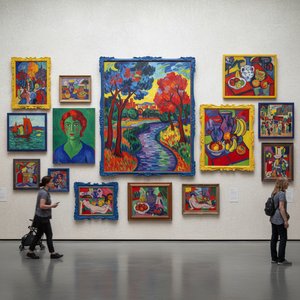
While detailed architectural specifications remain somewhat elusive, the museum’s design prioritizes creating an environment conducive to contemplation and discovery. The layout deliberately guides visitors through a timeline of Korean design history, fostering a deeper understanding of stylistic shifts and technological advancements. Natural light floods the galleries, enhancing the vibrancy of the artworks and reinforcing the museum’s commitment to presenting design in its most compelling form—a deliberate choice that elevates the visitor experience beyond mere observation.
A Pioneering Vision: Celebrating Contemporary Creativity
The Modern Design Museum's genesis stemmed from a desire to address a significant omission in Korea’s cultural heritage—a dedicated space for honoring its design achievements. Park Amjong envisioned an institution that transcended passive viewing, encouraging dialogue and fostering appreciation for the dynamism of Korean creativity. This ambition is palpable throughout the museum’s exhibitions and educational programs, cementing its role as a catalyst for artistic discourse and inspiring future generations of designers. Collaborations with international institutions have broadened its scope and enriched its intellectual heritage.
Notable Exhibitions & Artistic Influences
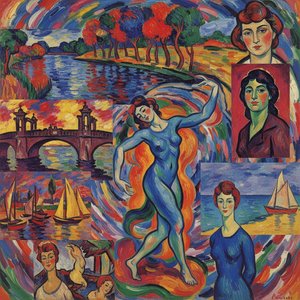
Throughout its history, the Modern Design Museum has hosted groundbreaking exhibitions showcasing both historical masterpieces and innovative contemporary designs. Notably, curators have drawn inspiration from movements like Fauvism—as exemplified by Henri Matisse’s ‘La Leçon de piano,’ ‘Portrait of Sarah Stein,’ and ‘Les Marocains’—demonstrating the enduring influence of European artistic traditions on Korean aesthetics. These collaborations underscore the museum's commitment to fostering cross-cultural understanding and promoting artistic excellence.
What Sets Seoul’s Modern Design Museum Apart?
Ultimately, the Modern Design Museum distinguishes itself as Korea’s inaugural design institution. Its unwavering focus on graphic design serves as a powerful conduit for comprehending Korean culture and societal transformations—from branding to national emblems. More than just showcasing art; it champions an understanding of how visual communication shapes our perception of the world. Visiting Seoul's Modern Design Museum is an invitation to engage with Korea’s artistic heritage in a profoundly enriching way.
Par la rédaction de OriginalUniqueArt.com
Quiz d'art
Chaque question ne comporte qu'une seule réponse correcte.
Question 1:
Quel est le domaine principal d’intérêt du Musée du Design Moderne ?
Question 2:
Quel nombre approximatif d'artefacts sont conservés dans la collection du Musée du Design Moderne ?
Question 3:
L’élément de design suivant est particulièrement mis en évidence dans la collection du musée ?
Question 4:
La création du musée avait pour objectif principal:
Question 5:
Qu'est-ce qui distingue le Musée du Design Moderne des autres musées en Corée ?
Plongez au cœur du Fauvisme avec les 10 œuvres majeures de Matisse, Derain et Vlaminck. Découvrez l'histoire, la technique et l'impact émotionnel de ces chefs-d’œuvre colorés. Reproductions d'art exceptionnelles sur OriginalUniqueArt.com.
Plongez au cœur du Fauvisme avec ! Découvrez les 10 chefs-d'œuvre de Matisse, Derain et Vlaminck qui ont révolutionné l'art. Couleurs vives, émotion pure : trouvez votre reproduction idéale pour une décoration intérieure unique. Explorez la collection sur
OAssistant du studioEn ligne · répond en une minute
Bonjour ! Je peux vous aider à choisir une œuvre d'art, à suivre une commande ou à répondre à vos questions sur la garantie. Que puis-je faire pour vous ?