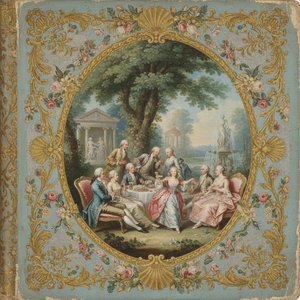
Simon Vouet (1590-1649) : Peintre baroque français majeur, il introduit les tendances artistiques italiennes en France et influence des générations d'artistes par ses portraits & compositions grandioses.
Charles Antoine Coypel : Un peintre baroque et rococo majeur dont les œuvres emblématiques comprennent les tapisseries illustrant l’Iliade et l’Odyssée ainsi que la série Don Quixote révolutionnaire. Son talent pour capturer la beauté et l'émotion a marqué son époque.
Un voyage à travers le patrimoine artistique du Jura : À la découverte du Musée des Beaux-Arts de Dole
Niché dans la ville pittoresque de Dole, en France, le Musée des Beaux-Arts de Dole s'érige comme un témoignage vibrant du riche héritage culturel de la Franche-Comté. Fondé en 1821, ce musée n'est pas qu'un simple conservatoire d'œuvres d'art ; c'est une expérience immersive qui transporte les visiteurs à travers les siècles, offrant un regard profond sur l'évolution artistique de la région, depuis la Préhistoire jusqu'aux expressions vibrantes de l'art contemporain. Son écrin actuel, le Pavillon des Officiers — un édifice magnifique incarnant la grandeur de l'architecture militaire du XVIIIe siècle — magnifie l'importance du musée, à la fois comme monument historique et comme espace d'inspiration pour la contemplation artistique.
Un édifice imprégné d'histoire :
Le Pavillon des Officiers, construit en 1765, servait à l'origine de quartier général au Régiment de Grenadiers de Besançon, une force redoutable chargée de protéger les frontières de la Franche-Comté. Aujourd'hui, ses plafonds vertigineux et ses détails ornementaux offrent une toile de fond inoubliable aux collections du musée, rappelant aux visiteurs le passé martial de la région parallèlement à son épanouissement artistique.
Trésors archéologiques :
L'immersion dans l'histoire antique du Jura commence par les impressionnantes collections archéologiques du Musée des Beaux-Arts de Dole. Les expositions présentent des artefacts mis au jour à travers le massif du Jura — couvrant la période néolithique jusqu'à l'ère mérovingienne — révélant des aperçus captivants de la vie quotidienne, des croyances religieuses et des traditions artistiques des civilisations disparues. Des fragments de figurines sculptées et des céramiques finement travaillées offrent des liens tangibles avec la créativité de nos ancêtres.
Expressions sculpturales de la Bourgogne médiévale
La collection de sculptures bourguignonnes du musée est particulièrement remarquable, représentant une période charnière de l'histoire de l'art européen. Datant du Moyen Âge jusqu'au XVIIIe siècle, ces œuvres illustrent les influences stylistiques des traditions romanes et gothiques. Des artistes tels que G. Lullier et F.-M. Rosset ont su capturer avec maestria l'iconographie religieuse et les idéaux humanistes, reflétant la ferveur intellectuelle de leur époque. L'admiration d'œuvres telles que « La Mère diligente » témoigne d'un savoir-faire exceptionnel et transmet une profondeur émotionnelle intense, véritable signature de la sensibilité artistique bourguignonne.
Artistes notables :
Parmi les sculpteurs célèbres représentés figurent G. Lullier, F.-M. Rosset et C.-F. Attiret, dont les œuvres incarnent l'esprit de leur temps.
Technique et style :
Les sculptures utilisent des techniques allant de la taille du marbre à la fonte du bronze, démontrant la prouesse artistique prévalente durant la période médiévale.
Les maîtres de la peinture venus d'Europe
La collection de peintures du Musée des Beaux-Arts de Dole s'enorgueillit d'une remarquable diversité de styles et d'influences, reflétant l'interconnexion des cercles artistiques européens durant les XVIIe et XVIIIe siècles. Les visiteurs peuvent admirer des chefs-d'œuvre de luminaires italiens tels que Giambattista Pittoni, F. Albani, L. Giordano et G. Assereto, aux côtés d'œuvres de maîtres français comme S. Vouet, E. Allegrain et Ch.-A. Coypel. De plus, les traditions artistiques nordiques sont représentées, enrichissant le panorama artistique mondial du musée. « La toilette d'Esther » illustre parfaitement le panache dramatique caractéristique de la peinture baroque — un témoignage de la capacité des artistes à transmettre l'émotion et la grandeur.
Influence italienne :
La présence de peintres italiens souligne l'importance de Rome en tant que centre d'innovation artistique durant cette période.
Style baroque français :
« La toilette d’Esther » met en scène les techniques expressives privilégiées par les artistes du baroque français, mettant l'accent sur la théâtralité et l'intensité émotionnelle.
Visions contemporaines : Figuration narrative et Nouveaux Réalismes
Au-delà de ses trésors historiques, le Musée des Beaux-Arts de Dole s'engage activement dans les tendances artistiques contemporaines. L'exposition du musée consacrée à la Figuration Narrative — présentant des artistes comme Fromanger, Rancillac, Monory et Erró — met le spectateur au défi de contempler la complexité de l'expérience humaine à travers une imagerie évocatrice et un récit symbolique. Parallèlement à ce mouvement, le Nouveau Réalisme est représenté par des figures emblématiques telles qu'Arman et Villeglé, dont les sculptures utilisent des matériaux et des techniques non conventionnels pour provoquer une réflexion sur les enjeux sociétaux.
Exploration des mouvements modernes :
Le Musée des Beaux-Arts de Dole encourage le dialogue entre les expressions artistiques du passé et du présent.
Art conceptuel :
L'inclusion du Nouveau Réalisme illustre le passage vers l'art conceptuel, où l'idée prime sur les préoccupations esthétiques traditionnelles.
Une destination accessible à tous
L'engagement du Musée des Beaux-Arts de Dole en faveur de l'accessibilité est manifeste par sa politique d'entrée gratuite, garantissant que chacun puisse s'imprégner des collections captivantes et de l'atmosphère inspirante du musée. Les expositions temporaires régulières enrichissent davantage l'expérience du visiteur, apportant des perspectives nouvelles sur l'histoire de l'art et stimulant la curiosité intellectuelle. Situé au sein de l'historique Pavillon des Officiers à Dole, ce musée demeure un lieu emblématique pour les passionnés d'art et les historiens, invitant à l'exploration et à la contemplation du patrimoine artistique.
Par la rédaction de OriginalUniqueArt.com
Quiz d'art
Chaque question ne comporte qu'une seule réponse correcte.
Question 1:
Quel style architectural caractérise le bâtiment du Musée des Beaux-Arts de Dole ?
Question 2:
Quel mouvement artistique est particulièrement présent dans les collections du musée, aux côtés de la Figuration Narrative ?
Question 3:
Parmi les artistes représentés dans la collection de sculptures bourguignonnes et françoises-comtoises du musée, qui est connu pour son travail sur des monuments religieux ?
Question 4:
Les peintures du musée comprennent des œuvres de maîtres italiens tels que Giambattista Pittoni et François Albani. Quel style artistique est prédominant ?
Question 5:
Ce qui distingue le Musée des Beaux-Arts de Dole des autres musées en France ?
Explore the opulent world of Rococo art! Discover Watteau, Boucher & Nattier's masterpieces. Expert insights for collectors seeking museum-quality reproductions and custom portraits at OriginalUniqueArt.
OAssistant du studioEn ligne · répond en une minute
Bonjour ! Je peux vous aider à choisir une œuvre d'art, à suivre une commande ou à répondre à vos questions sur la garantie. Que puis-je faire pour vous ?