A Journey Through Centuries of Artistic Brilliance: Exploring Valencia’s Musée des Beaux-Arts
The Musée des Beaux-Arts de Valence—Valencia’s Fine Arts Museum—stands as a cornerstone of Valencian cultural identity and an unparalleled destination for anyone passionate about artistic heritage. Situated within the magnificent San Pio V Palace, a baroque masterpiece that dominates Valencia’s cityscape, this institution houses one of Spain's most comprehensive collections spanning from the XIVth to the XIXth centuries – a testament to the enduring power of visual art to illuminate history and inspire contemplation. Its unwavering commitment to free admission ensures that beauty and knowledge remain accessible to all, fostering a deeper appreciation for Valencian artistic traditions and solidifying Valencia’s position as a vital hub for preserving Spanish cultural legacy.
The Collection: A Panorama of Artistic Excellence
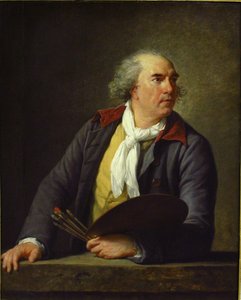
At the heart of the Musée des Beaux-Arts’ allure lies its extraordinary assemblage of artworks—a veritable panorama encompassing diverse styles and movements that chronicle Spain's artistic evolution over five centuries. The collection’s strength resides primarily in its impressive representation of Spanish art from the XIVth to the XIXth centuries, offering visitors a profound understanding of the nation’s cultural history. Among its most celebrated treasures are masterpieces crafted by titans of Spanish painting: Velázquez, Goya, and Sorolla—artists whose stylistic innovations irrevocably shaped the trajectory of art history. Their canvases capture moments of grandeur, intimacy, and emotional depth, inviting viewers to delve into their artistic visions.
Visitors can trace the stylistic development of these masters through time, observing how techniques and themes adapted to reflect evolving societal landscapes. The museum’s holdings extend beyond painting, encompassing sculptures and decorative arts—a holistic portrayal of artistic expression across centuries. Notably impressive are examples of Gothic art, showcasing intricate craftsmanship and spiritual symbolism; Renaissance masterpieces embodying humanist ideals and classical influences; and Baroque grandeur characterized by dramatic lighting and opulent ornamentation – exemplified by François Auguste Biard’s “Le salon de M. le comte de Nieuwerkerke,” a monumental oil painting reflecting the baroque aesthetic. Furthermore, don't miss Henri Matisse’s “Saint Tropez Grenoble,” showcasing Fauvist techniques with bold colors and expressive brushstrokes—a daring departure from academic conventions that championed artistic freedom.
The Palace: An Architectural Testament to Valencian History
The Musée des Beaux-Arts’ setting is equally captivating – the historic San Pio V Palace, a baroque edifice that embodies Valencia’s architectural splendor and contributes significantly to the visitor's immersive experience. Originally conceived for ecclesiastical purposes—serving as the cathedral of Valencia—the palace underwent a transformative metamorphosis when it was repurposed to accommodate the museum’s burgeoning collection of artworks. Its soaring ceilings adorned with frescoes—painted by renowned Valencian artists—create an atmosphere of grandeur and reverence, transporting visitors back in time to the Baroque era.
The palace's architectural design reflects the ambition and patronage of its benefactors—illustrating Valencia’s role as a center of artistic innovation during the XVIIth century. Examining its origins illuminates the broader cultural context surrounding the creation and preservation of these invaluable treasures. The meticulous restoration undertaken in recent decades has ensured that the palace retains its original splendor, allowing visitors to appreciate both its architectural beauty and its historical significance.
Notable Exhibitions & Artistic Movements: Exploring Diverse Perspectives
Throughout its history, the Musée des Beaux-Arts has hosted groundbreaking exhibitions that have captivated audiences worldwide—demonstrating its commitment to fostering artistic dialogue and promoting intellectual curiosity. Recurring themes explore artistic movements such as Impressionism and Surrealism—challenging viewers to contemplate how artists grapple with ideas about perception and emotion. Examining these displays illuminates the ongoing conversation between art and society, reflecting evolving cultural sensibilities across time periods.
Moreover, consider masterpieces like Peter Paul Rubens’ “Le Coup de Lance,” a stirring depiction of the crucifixion that embodies Baroque emotional intensity – capturing the dramatic fervor characteristic of this artistic movement. These exhibitions underscore Valencia's role as a vanguard of artistic innovation—inspiring visitors to engage critically with art history and broaden their understanding of cultural expression.
What Sets Valencia’s Musée des Beaux-Arts Apart: Accessibility & Cultural Significance
Perhaps what distinguishes Valencia’s Musée des Beaux-Arts from other institutions is its unwavering dedication to accessibility – guaranteeing that the treasures of Spanish artistic heritage are available to all regardless of socioeconomic background. Its substantial scale ensures an immersive experience for art enthusiasts—solidifying Valencia's position as a vital hub for preserving cultural legacy and fostering appreciation for visual arts. Beyond its impressive collection and architectural grandeur, the museum serves as a cornerstone of Valencian identity—inspiring pride in local artistic traditions and promoting intercultural understanding. A visit to this magnificent palace is more than just admiring artworks; it’s embarking on a journey through centuries of creativity—a celebration of beauty and intellectual curiosity that resonates deeply with anyone who cherishes cultural heritage.