

Un joyau de Lorraine : l'âme de Nancy
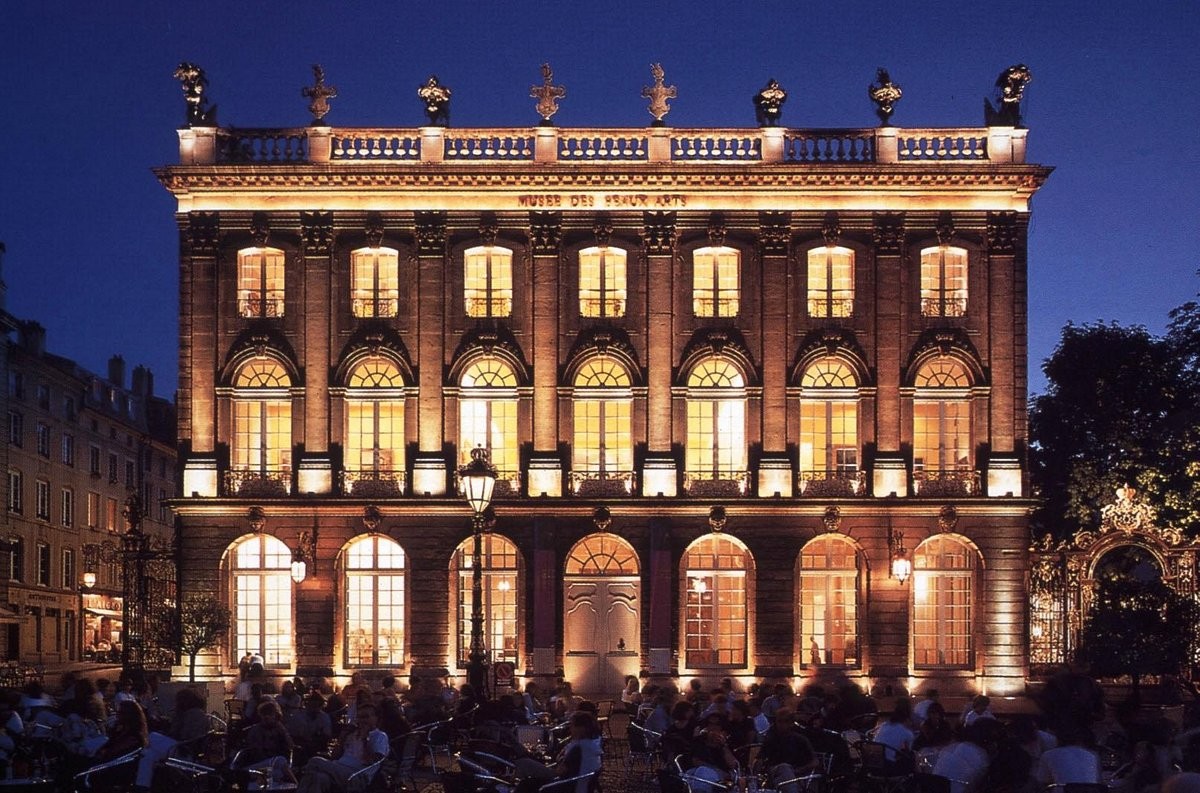
Niché au cœur de Nancy, ville célébrée pour son architecture élégante et son patrimoine artistique, se trouve le Musée des Beaux-Arts—un dépositaire de l'art européen s'étendant sur plusieurs siècles. Bien plus qu'un simple musée, c'est un voyage à travers le temps, un témoignage de l'évolution des sensibilités esthétiques et un reflet vibrant de l'évolution culturelle de la France. Les pierres mêmes du bâtiment murmurent des histoires ; conçu à l'origine comme un pavillon pour Stanislas Leszczyński, ancien roi de Pologne et duc de Lorraine, au milieu du XVIIIe siècle, il s'élève fièrement sur la Place Stanislas, inscrite elle-même au patrimoine mondial de l'UNESCO. Cette merveille architecturale incarne une grâce rocaille et une harmonie classique, où la frontière entre la grandeur du musée et la place publique se dissout, permettant à l'art de respirer au rythme quotidien de la vie citadine.
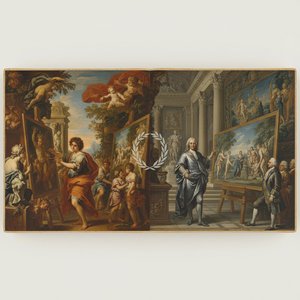
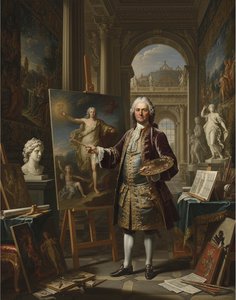
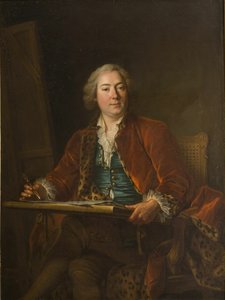
Les origines du musée sont inextricablement liées aux événements tumultueux de la Révolution française et de l'ère napoléonienne qui s'ensuivit. Né de la confiscation des biens de l'Église et des domaines des émigrés, sa collection initiale fut une conséquence directe des bouleversements sociétaux. Ces premières acquisitions posèrent les fondations d'une gamme diversifiée d'œuvres, incluant des chefs-d'œuvre italiens de Caravage et de Reni, aux côtés de peintures d'Europe du Nord qui témoignaient des liens historiques du duché de Lorraine. L'arrivée d'œuvres d'art envoyées de Paris sous Napoléon enrichit davantage les collections, introduisant la peinture française du XVIIIe siècle dans le récit du musée—des artistes tels que Boucher, Lemoyne et De Troy trouvèrent ici une demeure permanente. Cette genèse unique imprègne le Musée des Beaux-Arts d'un caractère distinctif ; il n'est pas seulement une exposition de prouesses artistiques, mais un registre tangible du passé complexe et souvent dramatique de la France.
Une tapisserie de chefs-d'œuvre et d'innovations
La collection du musée offre aux visiteurs une expérience immersive dans l'art européen du XIVe au XXe siècle, tissant ensemble des fils de divinité, de drame et de modernisme. Parmi ses trésors les plus précieux figure l' Annonciation de Caravage (1608), un exemple époustouflant de la maîtrise baroque où l'ombre et la lumière dansent sur la toile. L'utilisation magistrale du clair-obscur par le peintre—ce jeu intense entre l'ombre et la clarté—crée une résonance émotionnelle qui continue de captiver les publics aujourd'hui. Au-delà de cette œuvre emblématique, le musée présente un éventail impressionnant de peintures françaises des XVIIe et XVIIIe siècles, offrant un aperçu profond des goûts raffinés et des tendances artistiques de l'époque.
Pourtant, le récit ne s'arrête pas aux maîtres classiques. En s'aventurant plus loin dans les galeries, on découvre un engagement envers le modernisme et la fierté régionale. Un espace important est dédié aux conceptions architecturales pionnières de Jean Prouvé, présentant des structures conçues comme des espaces adaptables qui reflètent des principes d'ingénierie innovants. Ce dévouement à l'artisanat s'étend aux verreries exquises de Daum, illustrant l'héritage durable de Nancy en tant que centre mondial de l'innovation artistique. Pour le collectionneur ou le designer, ces pièces représentent un mariage parfait entre progrès industriel et beauté esthétique. Les conservateurs du musée soutiennent activement les artistes régionaux aux côtés des figures internationales, favorisant un dialogue continu entre tradition et expérimentation qui maintient la collection perpétuellement vivante.
Un héritage de découverte et de vision savante
Tout au long de son histoire mouvementée, le Musée des Beaux-Arts a accueilli des expositions révolutionnaires qui ont remodelé les perceptions de l'histoire de l'art. Des rétrospectives récentes axées sur l'impressionnisme et le surréalisme ont mis en lumière des chefs-d'œuvre méconnus aux côtés de classiques célèbres, incitant à une réflexion critique sur les mouvements artistiques et leur influence durable sur l'œil moderne. Ces expositions font plus que simplement exposer des objets ; elles mettent le spectateur au défi de reconsidérer l'évolution du langage visuel.
De plus, des initiatives de recherche continues continuent de dévoiler des récits cachés au sein de la collection—éclairant les liens entre artistes et mécènes, explorant les échanges culturels à travers l'Europe et remettant en question les interprétations établies des œuvres d'art historiques. L'engagement du musée envers la recherche garantit que ses trésors continuent d'inspirer la curiosité intellectuelle. Que l'on soit attiré par la tension dramatique d'une toile baroque, les lignes épurées du design du milieu du siècle ou la délicate translucidité du verre Art Nouveau, le Musée des Beaux-Arts demeure un sanctuaire inspirant pour tous ceux qui cherchent à comprendre le rôle de l'art dans le façonnement de l'expérience humaine.