
Menu
CONSEIL EN ART GRATUIT

Musée des Beaux-Arts

Informations clés

  • Location: Lyon, France
  • Art types: art mural
  • Featured artists:
    • Francisco de Zurbarán
    • jacopo tintoretto
  • Works on APS: 2
  • Plus…
  • Movements: baroque spanish school
  • Alternate names:
    • Musée des Beaux-Arts de Lyon
    • Museum of Fine Arts of Lyon
    • Lyon Museum of Fine Arts
    • Musée des Beaux-Arts
    • MBA Lyon
  • Mediums: acrylique sur toile

A Journey Through Artistic Epochs: Exploring Lyon’s Musée des Beaux-Arts

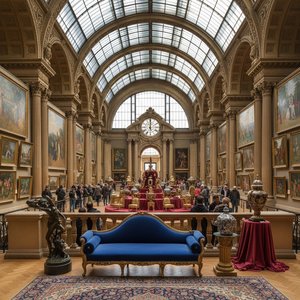
The Musée des Beaux-Arts de Lyon (Musée des Beaux-Arts de Lyon) isn't merely a museum; it’s a living chronicle of artistic brilliance, housed within the magnificent Place des Terreaux—a cornerstone of Lyon’s historic identity. More than simply admiring masterpieces, visitors embark on an intellectual pilgrimage through centuries of creative endeavor, encountering echoes of philosophical thought and cultural transformation. Its story begins with Saint-Pierre-les-Nonnains Abbey, a Benedictine institution that flourished in the XVIIth and XVIIIth centuries—a building whose grandeur now shelters one of France’s most impressive artistic collections.

Architectural Legacy: A Baroque Reflection

The Musée’s current edifice bears witness to Louis XIV's ambition, primarily thanks to his refectory baroque and the monumental staircase designed by Thomas Blanchet. This architectural statement embodies the opulent aesthetic favored during the Sun King’s reign—a deliberate choice that elevates the viewing experience beyond mere observation, inviting contemplation of grandeur and artistic patronage. The meticulous restoration undertaken between 1988 and 1998 ensured not only preservation but also accessibility for contemporary audiences, safeguarding a monument steeped in history while maintaining its vibrant cultural significance.

A Kaleidoscope of Artistic Expressions: Collection Highlights

The Musée’s collection defies categorization, spanning five millennia and encompassing artistic traditions from across the globe. However, certain sections stand out as beacons of stylistic innovation and enduring beauty. The Egyptian Antiquities exhibit unveils treasures—statues, sarcophagi, and funerary masks—that illuminate ancient Egyptian beliefs about life after death and offer unparalleled insight into their sophisticated artistic techniques. European Paintings (14th-20th Centuries) constitute a comprehensive panorama of Western art history, meticulously organized chronologically and by school—allowing visitors to trace the evolution of artistic styles from Gothic grandeur to Impressionist luminosity. Among the must-see artworks are Nicolas Poussin’s serene landscapes capturing classical ideals alongside Ingres’ meticulous portraits reflecting academic precision. Delacroix's dramatic Romantic fervor contrasts powerfully with Cézanne’s groundbreaking explorations of form and color, culminating in Van Gogh’s emotionally charged canvases—a testament to artistic genius.

Italian Masters: Renaissance Splendor

The Musée’s Italian Masters gallery celebrates the brilliance of artists who shaped the Renaissance spirit—Perugino's harmonious compositions exemplify humanist ideals while Veronese’s opulent frescoes dazzle with lavish ornamentation and masterful perspective. Tintoretto’s dramatic canvases convey a visceral sense of movement and emotion, mirroring the turbulent political landscape of Venice during his lifetime. Canaletto’s panoramic views capture the splendor of Venetian life—a celebration of urban dynamism and artistic observation.

French Art Through Time: From Baroque to Modernity

The Musée’s French Art section chronicles the evolution of stylistic trends within France from the XVIth to the XXth centuries, reflecting societal shifts and intellectual currents. Puvis de Chavannes' monumental sculptures embody a profound engagement with spiritual themes—a precursor to Symbolism that anticipates the artistic sensibilities of the Belle Époque. Thévénin’s canvases depict pivotal moments in French history—capturing the fervor of the Revolution and the majesty of Napoleon’s reign—demonstrating how art serves as both witness and participant in cultural transformation.

Beyond Static Displays: Dynamic Exhibitions & Unique Appeal

What distinguishes Lyon’s Musée des Beaux-Arts is its unwavering commitment to fostering artistic dialogue. Regular exhibitions showcase not only established masters but also emerging talents—a dynamic program designed to stimulate curiosity and inspire contemplation. These explorations delve into thematic convergences, prompting visitors to consider connections between art and culture across eras—enriching their understanding of the human experience. Situated within this beautifully restored historical building, the Musée des Beaux-Arts de Lyon offers an unparalleled opportunity to immerse oneself in artistic heritage—a destination that transcends mere sightseeing, inviting profound reflection on the enduring legacy of European creativity.

Collection d'œuvres d'art

Aucune œuvre d'art trouvée.