
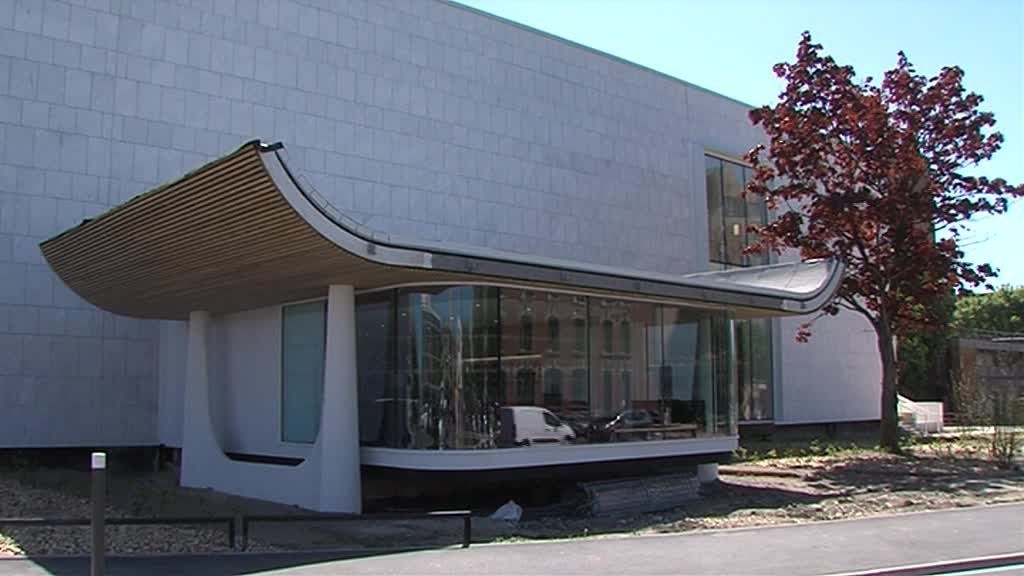
Sommaire
Informations clés
- Location: Dunkerque, France
- Works on APS: 1
- Alternate names:
- Musée des Beaux-Arts
- Musée des Beaux-Arts
- Muséum des Beaux-Arts de Dunkerque
- Musée des Beaux-Arts de Dunkerque
- Muséum des Beaux-Arts
- Plus…
- Featured artists: Jean-Baptiste-Camille Corot
- Mediums: acrylique sur toile
- Art types: art mural
Quiz d'art
Chaque question ne comporte qu'une seule réponse correcte.
Question 1:
Quel mouvement artistique est principalement représenté dans la collection du Musée des Beaux-Arts Dunkerque ?
Question 2:
La désignation du musée en tant qu’institution CODART souligne son importance dans l’étude de:
Question 3:
Quel artiste est célèbre pour sa peinture "Le Salon de M. le comte de Nieuwerkerke", qui illustre le style académique prédominant dans la peinture française au XIXe siècle ?
Question 4:
Rubens’ « Le Coup de Lance » présente une représentation dramatique de Jésus sur la croix, démontrant une maîtrise exceptionnelle de:
Question 5:
Matisse’s « Saint Tropez Grenoble » est caractérisé par:
Artistes de la collection

Jean-Baptiste-Camille Corot
Découvrez Jean-Baptiste-Camille Corot (1796-1875), peintre français majeur entre Néoclassicisme et Impressionnisme. Paysages sereins, portraits réalistes & son influence durable sur l'art!

Articles connexes
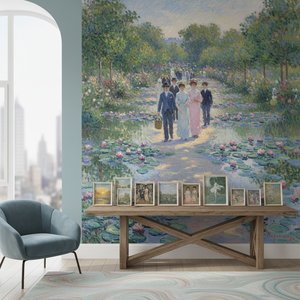
Impressionnisme : Les 10 Chefs-d'œuvre Incontournables pour une Déco Élégante
Plongez au cœur de l'Impressionnisme avec les 10 chefs-d'œuvre incontournables de Monet, Renoir & Degas. Découvrez l'histoire et la lumière unique de ces peintures célèbres. Reproductions d'art de qualité muséale sur .

Les 10 Chefs-d'œuvre Post-Impressionnistes qui ont Révolutionné l'Art |
Plongez au cœur du post-impressionnisme avec ! Découvrez les 10 chefs-d'œuvre de Van Gogh, Monet, Cézanne et autres artistes célèbres. Reproductions tableaux haute qualité pour une décoration intérieure inspirée. Explorez la collection sur

Les 10 Chefs-d'œuvre Baroques qui ont Révolutionné l'Art |
Plongez au cœur du baroque avec les 10 chefs-d'œuvre de Caravaggio, Rembrandt et Rubens. Découvrez l'histoire fascinante de ces artistes et leurs tableaux célèbres. Reproductions d'art de qualité muséale sur – Explorez la collection !


Abonnez-vous à notre newsletter
Restez informé(e) des dernières actualités artistiques, des offres exclusives et des idées de décoration.
Recevez 3 suggestions d'œuvres d'art gratuites
Parlez-nous de votre projet et nos experts en art vous proposeront 3 suggestions d'œuvres personnalisées.
Not Sure Where to Start?
Let Us Curate 3 Options Just for You - Free!