


Un joyau sibérien : Le cœur battant d'Omsk
Niché au cœur des vastes et grandioses paysages du sud-ouest de la Sibérie, là où le pouls rythmique du Transsibérien rencontre les échos historiques d'une ancienne capitale, se trouve le Musée des Beaux-Arts d'Omsk . Bien plus qu'un simple sanctuaire dédié à l'immuable, il s'agit d'un pont vivant reliant l'âme rude et passionnée de la frontière sibérienne aux courants raffinés de la tradition artistique européenne. Depuis son érection en tant qu'entité indépendante en 1940, le musée s'est imposé comme un témoignage de résilience culturelle, transformant Omsk d'un simple carrefour de transport en une destination où l'histoire et la beauté convergent. Déambuler dans ses galeries, c'est traverser le récit complexe d'une région qui fut autrefois la gardienne des trésors impériaux et qui a traversé les marées tumultueuses de la guerre civile russe, tout en cultivant un dévouement profond envers le patrimoine national et la maîtrise internationale.
Une tapisserie de chefs-d'œuvre et de splendeur impériale
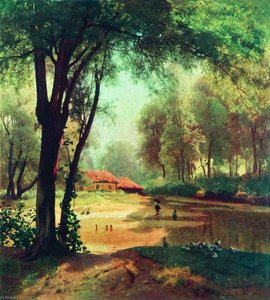
La collection abritée entre ces murs offre un dialogue époustouflant entre le réalisme puissant des maîtres russes et les murmures d'avant-garde venus d'Occident. On peut se perdre dans les touches puissantes et émouvantes de Repine ou dans les profondeurs symboliques et évocatrices de Vrubel , dont le nom même est gravé dans l'identité du musée. Pourtant, les trésors du musée s'étendent bien au-delà des frontières de la Russie, présentant une sélection soignée de peintures et de sculptures européennes qui invitent à une perspective mondiale. Pour le collectionneur attentif aux détails exquis, la célèbre collection d' œufs de Fabergé offre un moment d'enchantement pur et scintillant. Ces objets, emblèmes du savoir-faire inégalé de la Russie impérielle, agissent comme des ponctuations lumineuses dans une galerie empreinte de profonde expression humaine. Ce sentiment d'intimité et d'intensité est peut-être plus palpable encore en contemplant les œuvres d' Alexej von Jawlensky ; dans des pièces telles que son Portrait en costume gris , le spectateur vit une immersion dans l'âme, où la couleur et la texture transcendent la réalité pour évoquer un paysage d'émotion pure.
La toile vivante : Architecture et esprit contemporain
La présence physique du musée est aussi fascinante que l'art qu'il protège. Logé dans des structures historiques qui reflètent l'évolution architecturale d'Omsk, le musée fusionne harmonieusement le design traditionnel russe avec les sensibilités modernes, créant un environnement où chaque recoin raconte une histoire d'adaptation et de croissance. Cette harmonie architecturale offre la scène idéale pour des expositions telles qu' Avangard Omsk , qui met à l'honneur les artistes sibériens contemporains et leurs réinterprétations audacieuses de la tradition. Pour le designer d'intérieur en quête d'inspiration ou l'amateur d'art avide de découvertes, le musée offre bien plus qu'une simple visite ; il propose une expérience faite d'histoire stratifiée et de modernité vibrante. C'est un lieu où les frontières de l'art s'estompent, et où l'esprit éternel de la Sibérie résonne à travers chaque scène méticuleusement rendue et chaque forme sculptée, invitant tous ceux qui y pénètrent à devenir les acteurs de son héritage continu.


