A Jewel of Andalusia: Exploring the Museum of Fine Arts in Granada
Nestled within the breathtaking Palace of Charles V, a harmonious blend of Renaissance grandeur and Moorish elegance, lies the Museo de Bellas Artes de Granada – a cultural treasure that offers an unparalleled journey into the heart of Spanish art. More than just a repository of paintings and sculptures, this museum is a living testament to centuries of artistic evolution, architectural dialogue, and the rich tapestry of Andalusian history. Its strategic location in Granada, a city steeped in both Islamic and Christian heritage, amplifies its significance, creating an immersive experience that transcends traditional museum viewing. The very walls whisper tales of empires risen and fallen, of faiths intertwined, and of artists who sought to capture the soul of their land.
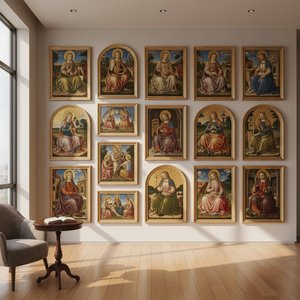
The museum’s core collection is undeniably anchored by Spain's Golden Age, a period of unparalleled artistic flourishing. Here, you’ll encounter the dramatic narratives and intense emotions characteristic of Baroque artistry, exemplified by works from masters like Alonso Cano – whose evocative depictions of religious scenes are renowned for their masterful use of light and shadow, creating an almost theatrical effect. Cano’s ability to infuse his paintings with a palpable sense of drama and emotion is particularly striking; consider his “Virgin Waking the Boy,” a masterpiece that exemplifies the era's dramatic use of chiaroscuro and its profound exploration of faith and human experience. Alongside Cano, Juan de Sevilla’s works showcase a similar intensity, reflecting the turbulent religious landscape of 17th-century Spain. These artists, deeply rooted in the traditions of Andalusia, captured the spirit of a nation grappling with faith, power, and social change – their canvases becoming windows into a complex and fascinating era.
Beyond these giants, the museum boasts an impressive array of sculptures, showcasing the remarkable skill of Spanish sculptors who skillfully rendered both human form and religious iconography. The collection isn’t simply static; it breathes with the stories of its creators and the times in which they lived. The intricate details of each piece – from the flowing drapery to the expressive faces – reveal a deep understanding of anatomy, texture, and emotion. Furthermore, the museum's holdings extend beyond the Golden Age, encompassing works by artists like Sánchez Cotán, whose meticulous compositions and use of perspective offer a glimpse into the intellectual currents of the time, and López Mezquita, known for his vibrant color palettes and dynamic depictions of historical events. The breadth of artistic styles and techniques within the collection is truly remarkable, reflecting Granada’s role as a crossroads of cultures and influences.
Architectural Harmony: The Palace as Canvas
To fully appreciate the Museum of Fine Arts, one must first acknowledge the architectural masterpiece that houses it – the Palace of Charles V. Designed by Pedro Machuca in the Renaissance style, the palace stands as a striking counterpoint to the intricate beauty of the adjacent Alhambra, a testament to the contrasting artistic sensibilities of the period. The circular courtyard, with its imposing façade and meticulously crafted details, immediately captivates visitors. The interplay between the clean lines of the Renaissance architecture and the flowing curves of Moorish design creates a visual dialogue that is both harmonious and profoundly evocative. This juxtaposition isn’t merely aesthetic; it represents a deliberate architectural dialogue – a conversation between the ambition of Renaissance Europe and the refined artistry of Moorish Spain. Walking through the palace itself is an experience akin to stepping back in time, allowing you to feel the weight of history and appreciate the skill of its builders.
The palace’s construction was a complex undertaking, reflecting the political and cultural shifts of the era. Initially conceived as a lavish Renaissance residence for Emperor Charles V, it underwent numerous transformations before becoming dedicated to fine arts. This evolution mirrors Granada's own transformation – from a center of Islamic learning to a vibrant hub of artistic expression under Christian rule. The museum’s location within the palace underscores this layered history, inviting visitors to contemplate the city’s rich and complex past.
A Journey Through Time: From Madrasa to Masterpieces
The museum’s origins are surprisingly layered. Initially conceived as a lavish Renaissance residence for Emperor Charles V, the palace underwent numerous transformations before becoming dedicated to fine arts. Its story is inextricably linked to Granada's own evolution – from its roots in the earlier Madrasa (Islamic school) founded in 1349, reflecting the city’s complex and layered past. This historical context adds a profound dimension to your visit, reminding you that you are engaging with an institution deeply embedded within the city’s narrative. The museum's evolution mirrors Granada’s own transformation, from a center of Islamic learning to a vibrant hub of artistic expression under Christian rule.
The palace was originally built as a symbol of royal power and prestige, reflecting the ambitions of Charles V himself. However, its subsequent adaptation as a museum transformed it into a space dedicated to preserving and celebrating Spanish art. The transition from a private residence to a public institution is a testament to the enduring value of cultural heritage and the importance of sharing artistic treasures with future generations.
Notable Works and Artistic Highlights
Among the museum’s most celebrated pieces is Juan Sánchez Cotán’s “Virgin Waking the Boy,” a breathtaking Baroque oil painting that exemplifies the era's dramatic use of light and rich detail. The work, housed within the palace itself, offers a glimpse into the devotional practices of the time. The meticulous attention to detail – from the folds of the Virgin’s robe to the expression on the boy’s face – is remarkable, demonstrating Cotán’s mastery of technique and his ability to convey profound emotion through visual means. Furthermore, Teodosio Sánchez de Rueda’s legacy shines through his masterful retablos (altarpieces), showcasing bold colors, emotional depth, and an unparalleled command of sculptural form. José Marcelo Contreras Muñoz's historical and portrait scenes also provide valuable insights into the artistic trends of the 19th century. The museum’s collection is a testament to the diverse talents that flourished in Granada during this period.
A Free Treasure: Accessibility and Immersion
For European Union citizens, admission to the Museo de Bellas Artes de Granada is delightfully free – a remarkable accessibility feature that encourages cultural engagement. This policy ensures that art remains accessible to all, regardless of socioeconomic status. The museum’s central location within Granada’s historic center makes it an ideal addition to any sightseeing itinerary, offering visitors the opportunity to immerse themselves in both art and architecture. The museum isn't just a place to view paintings; it’s a portal into the soul of Andalusia, inviting you to connect with its rich artistic heritage and captivating history.