Un sanctuaire d'art sacré au cœur de la Toscane
Niché au creux des collines verdoyantes d'Impruneta, là où le parfum des forêts de pins flotte dans l'air, se trouve une destination qui transcende l'expérience muséale classique. Le Musée de Santa Maria n'est pas un simple conservatoire d'objets, mais une immersion profonde dans l'âme spirituelle et artistique de la Florence médiévale et de son héritage éternel. L'architecture elle-même raconte une histoire de résilience ; la basilique romane, avec ses murs robustes du XIIe siècle, offre une toile de fond solennelle, empreinte de grandeur et de révérence, conçue pour inspirer une contemplation profonde. En approchant du site, le portique du XVIIe siècle réalisé par Gherardo Silvani invite à une transition du monde temporel vers un espace où l'histoire murmure à travers la pierre et la lumière. Ce sanctuaire sert de pont entre les époques, témoignant d'un savoir-faire qui définit le paysage toscan depuis des siècles.
Trésors de dévotion et splendeur florentine
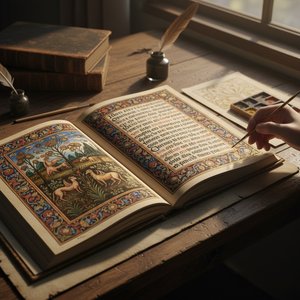
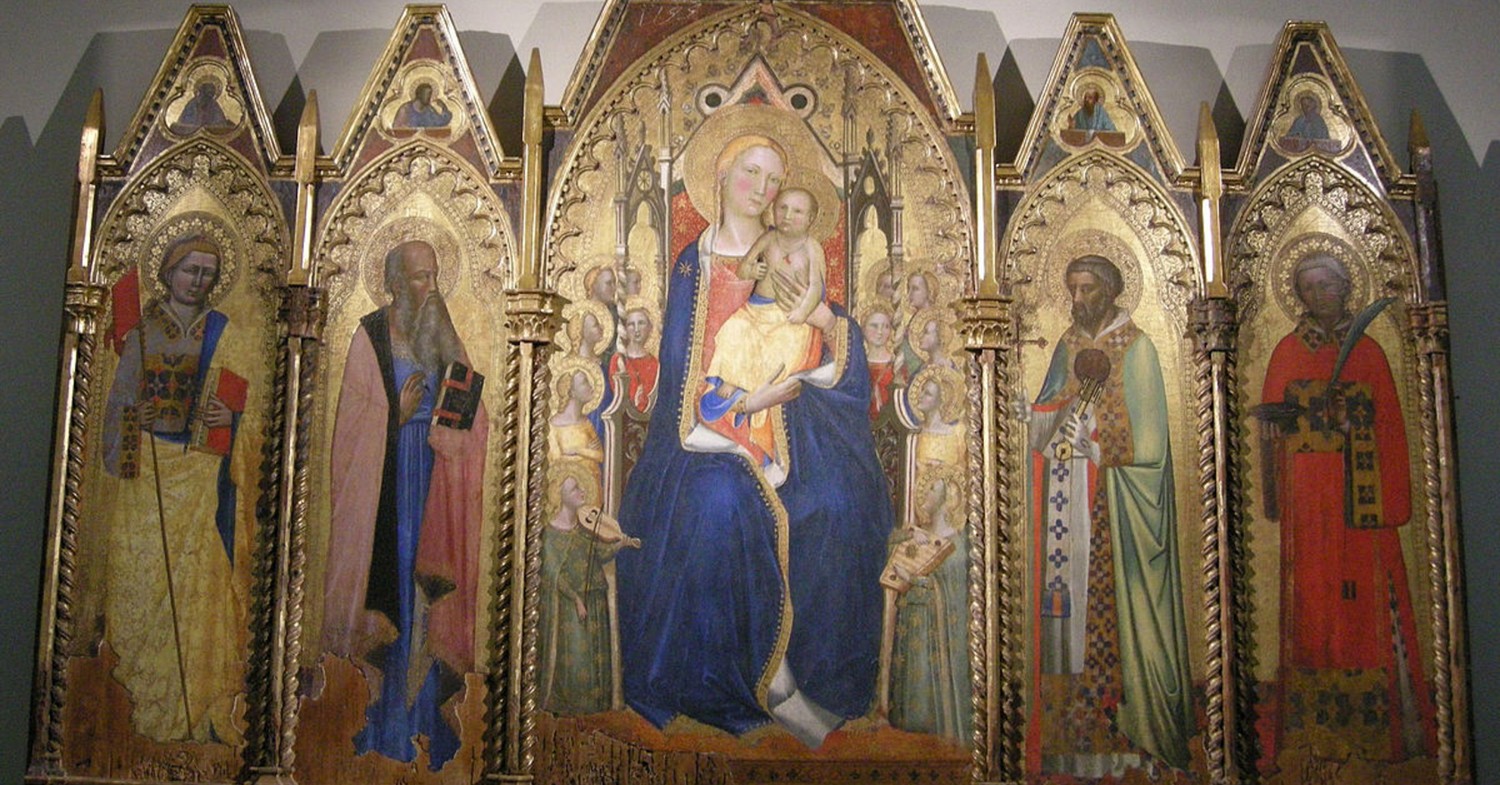
La collection nichée entre ces murs sacrés agit comme un pont lumineux entre les traditions byzantines et l'essor de la Renaissance. Au cœur de ce paysage spirituel trône la magnifique icône de la Vierge Marie, une image dont l'expression sereine et les détails complexes reflètent l'influence profonde de l'iconographie orientale sur l'art européen. Ce sentiment de beauté divine est complété par l'opulence léguée par la noblesse florentine, qui a laissé derrière elle d'exquis ouvrages d'orfèvrerie — des calices ornés et des vases liturgiques — qui scintillent du prestige du mécénat aristocratique. Déambuler dans le musée, c'est assister à un dialogue entre la foi et l'artisanat, visible dans les textiles vibrants aux tissages complexes et les manuscrits enluminés méticuleusement élaborés des XIVe et XVIe siècles. Ces manuscrits sont bien plus que de simples textes ; ils sont des fenêtres ouvertes sur l'esprit médiéval, où chaque feuille dorée et chaque scène biblique peinte avec soin capturent la ferveur intellectuelle et les idéaux artistiques d'un âge révolu.
Une rencontre intime avec l'Histoire
Ce qui distingue véritablement le Musée de Santa Maria, c'est sa remarquable intimité, offrant une dimension personnelle qui permet une méditation profonde, loin de la foule des galeries métropolitaines. Pour l'amateur d'art ou le décorateur en quête d'inspiration authentique, le musée propose des liens tactiles et rares avec le passé. On peut y découvrir l'incroyable rareté de l'un des plus anciens morceaux connus de patchwork européen — un coussin datant de la fin du XIVe siècle — découvert dans la tombe d'un évêque. Le musée abrite également des œuvres significatives de maîtres tels que Domenico Passignano et Jacopo da Empoli , aux côtés de l'art délicat de la céramique de Luca della Robbia , nichée dans des alcôves conçues par Michelozzo. C'est un lieu où l'histoire ne se contente pas d'être observée, mais se ressent, de la rudesse de la terre cuite locale d'Impruneta à la précision délicate de la peinture de la Renaissance, en faisant un pèlerinage essentiel pour quiconque est captivé par la beauté éternelle du patrimoine italien.