

Une Tapisserie Vivante de Résilience et de Mémoire
Au cœur de Boston, là où l'esprit révolutionnaire de la ville rencontre les échos profonds d'une lutte humaine partagée, se dresse le Musée de l'histoire afro-américaine. Bien plus qu'un simple conservatoire d'artefacts, il s'agit d'un récit vivant, un voyage immersif à travers le temps qui célèbre l'héritage durable et les contributions vibrantes des Afro-Américains. Franchir le seuil de cette institution, c'est pénétrer dans un espace où l'histoire se ressent autant qu'elle se contemple. Le musée agit comme un phare de la mémoire, tissant ensemble les récits de la ferveur abolitionniste, de la prouesse intellectuelle et de l'espoir inébranlable qui ont défini l'expérience noire en Nouvelle-Angleterre, de l'ère coloniale jusqu'au XIXe siècle. Pour l'amateur d'art comme pour l'historien, le musée offre une occasion rare de se confronter aux complexités du passé à travers un prisme de dignité profonde et de réussite artistique.
L'architecture du campus de Boston du musée fait office de vaisseau majestueux pour cette histoire, mêlant le poids de la tradition à une sensibilité moderne et accueillante. Les visiteurs se retrouvent à errer à travers des monuments historiques tels que l'African Meeting House, construit en 1806, qui servit autrefois de sanctuaire au militantisme politique et à la vie culturelle. L'école Abiel Smith, autre pierre angulaire de la collection, offre un cadre contemplatif où les murs eux-mêmes semblent murmurer des récits de la lutte pour l'égalité des droits. Ces espaces sont magistralement agencés pour favoriser tant l'engagement intellectuel que l'introspection silencieuse, avec des galeries baignées d'une lumière naturelle qui illumine les textures du passé. Pour le designer d'intérieur ou l'admirateur de la préservation historique, la capacité du musée à harmoniser ces structures vénérables avec les besoins d'exposition contemporains offre une étude fascinante sur la continuité architecturale et le design intentionnel.
Chefs-d'œuvre d'Identité et d'Expression
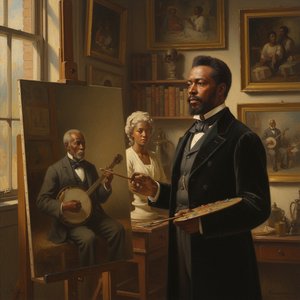
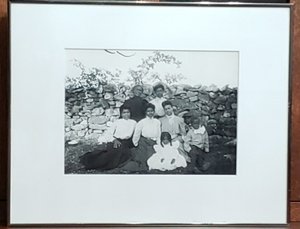
La collection conservée entre ces murs est un assemblage époustouflant de documents historiques, de reliques personnelles et de beaux arts qui capturent l'essence même de la diaspora afro-américaine. On peut se laisser toucher par l'émotion brute de lettres rédigées par de courageux militants ou être captivé par la clartée saisissante de photographies historiques qui insufflent la vie à des portraits disparus depuis longtemps. La collection permanente du musée est particulièrement remarquable par sa capacité à illustrer l'étendue de la réussite artistique, allant des premiers portraits coloniaux documentant une présence afro-américaine fondatrice aux paysages impressionnistes capturant la beauté tranquille des communautés noires. Des trésors notables tels que « The Dancing Lesson » de Thomas Eakins et le réalisme digne trouvé dans le « Head of a Negro » de John Singleton Copley servent de rappels poignants de la manière dont l'art a été utilisé pour affirmer l'humanité et la présence face à l'adversité.
Au-delà de ses collections permanentes, le musée a acquis une renommée internationale grâce à des expositions temporaires qui repoussent les limites du commentaire social. Des présentations récentes comme « Voices of Resilience » ont articulé avec force les thèmes de l'identité et du triomphe, tandis que « Boston's Legacy: Art & Activism » a exploré l'intersection entre l'expression créative et les mouvements des droits civiques du XXe siècle. Cet engagement à présenter l'art comme un outil de changement social fait du musée une destination vitale pour les collectionneurs et les conservateurs s'intéressant à l'impact profond de l'esthétique noire sur le canon américain plus large. C'est cette perspective unique — recentrant des voix souvent marginalisées dans les récits historiques dominants — qui distingue le Musée de l'histoire afro-américaine, offrant une expérience singulière et transformatrice qui enrichit notre compréhension de la tapisserie multiforme de l'identité américaine.