A Hidden Gem of Bolognese Splendor: The Museo Davia Bargellini
Nestled within the imposing Palazzo Davia Bargellini in the heart of Bologna, Italy, lies a museum that defies easy categorization – a captivating blend of art history, architectural grandeur, and an unexpectedly intimate glimpse into the lives of two prominent Bolognese families. More than simply a repository of artworks, the Museo Davia Bargellini is a meticulously curated cabinet of curiosities, a testament to centuries of craftsmanship, and a poignant reflection on the shifting fortunes of its patrons. This isn’t just a museum; it's an immersive journey through the soul of Bologna itself.
The Palazzo Davia Bargellini, completed in 1638 by the architect Bartolomeo Provaglia, is a prime example of Baroque splendor. Its façade immediately commands attention – a symphony of sculpted detail, culminating in two colossal telamons (statues depicting idealized male torsos) that flank the entrance. These imposing figures, crafted by Gabriele Brunelli and Francesco Agnesini in 1658, stand as silent guardians of the secrets within. The building’s history is inextricably linked to the Bargellini and Davia families, whose intertwined fates shaped its evolution from a noble residence to a public museum. The palazzo's original construction was commissioned by Camillo Bargellini, a Senatorial family, but after a feud led to the extinction of both lines, the Davia family inherited the property in 1874. Francesco Malaguzzi Valeri’s vision in 1924 transformed the palace into the “Museum of Industrial Art,” preserving and showcasing the families’ remarkable collections – a decision that brilliantly unified disparate artistic disciplines under one roof.
A Kaleidoscope of Artistic Treasures
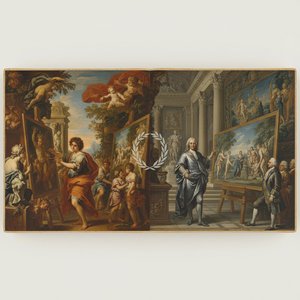
The museum’s collection is remarkably diverse, spanning from the medieval period through to the 19th century. The heart of the gallery lies within its painting section, offering a rich tapestry of styles and subject matter. Here, you'll encounter works by masters such as Vitale da Bologna, whose evocative depictions of religious scenes capture the drama of the era; Simone dei Crocifissi, known for his poignant pietàs; Cristoforo da Bologna, celebrated for his vibrant portraits; and Giuseppe Maria Crespi, a pivotal figure in Bolognese painting who pioneered a dramatic, theatrical style. Beyond these established names, the collection includes lesser-known but equally compelling works that illuminate the artistic landscape of the region. The paintings are not merely static images; they’re windows into the beliefs, aspirations, and daily lives of those who commissioned them.
However, the Museo Davia Bargellini’s true allure lies in its “applied arts” section – a captivating assemblage of objects often described as “curiosities of old Bologna.” This is where the museum truly distinguishes itself. You'll discover an astonishing array of items: intricately decorated liturgical robes, keys and door knockers crafted with exquisite detail, marionettes from street theaters that whisper tales of bygone entertainment, elaborately carved wooden frames, antique furniture reflecting evolving tastes, and even a meticulously recreated miniature interior – a “doll’s house” offering a glimpse into the opulent lives of Bolognese aristocrats. The collection speaks volumes about the everyday objects that shaped the city's culture and craftsmanship. These aren’t just functional items; they are miniature works of art in their own right, reflecting the skill and artistry of generations of artisans.
The Gilded Highlight: The Carriage of Pepoli
Among the museum’s most prized possessions is a beautifully preserved, gilded carriage – a stunning example of Baroque craftsmanship. While its precise origins remain somewhat shrouded in mystery, it’s believed to have once belonged to the Pepoli family before finding its way into the possession of Filippo de Angelis. This magnificent vehicle, adorned with intricate gold leaf and elaborate detailing, stands as a testament to the wealth and status of Bolognese society during the 18th century. It's not merely an object; it’s a tangible link to the past, evoking images of grand processions and aristocratic gatherings. The carriage is a symbol of opulence and power, offering a rare glimpse into the lavish lifestyles enjoyed by Bologna’s elite.
Beyond the Paintings: Sculptures and Architectural Details
The museum isn’t solely focused on paintings. A collection of sculptures, including busts by Vincenzo Onofri and statuettes by Giuseppe Maria Mazza and Angelo Gabriello Piò, adds another layer to its artistic richness. But even within the Palazzo itself, architectural details offer a captivating experience. The dramatic entrance stairwell, designed in 1730, is a masterpiece of Baroque design, while the flanking telamons continue to dominate the façade, serving as enduring symbols of the palazzo’s history and grandeur. The entire building is a testament to the skill of its architects and artisans, blending classical influences with the exuberance of the Baroque style.
Furthermore, the museum regularly hosts temporary exhibitions that delve deeper into specific themes or artistic movements, offering visitors fresh perspectives on the collection’s diverse holdings. These events often feature loans from other institutions, providing a dynamic and engaging experience for art enthusiasts of all levels. The Museo Davia Bargellini is more than just a static display; it's a living testament to Bologna’s rich cultural heritage.