

Samogitian Museum Alka: A Journey Through Samogitia’s Soul
The Samogitian Museum Alka (Žemaičių muziejus Alka) in Telsiai, Lithuania, stands as a beacon of cultural heritage—a testament to the region's enduring spirit and artistic legacy. More than just a repository of artifacts, it’s an immersive experience that unravels the intricate tapestry of Samogitia’s past, present, and future.
Archaeological Roots: Discovering Ancient Echoes
The museum’s foundation rests upon groundbreaking archaeological research conducted at Varniai and across Samogitia. Excavations have unearthed remarkable relics—fragments of pagan rituals, Celtic settlements, and Roman influences—providing invaluable insights into Lithuania’s earliest history. Among the most captivating finds are intricately crafted figurines depicting deities from Baltic paganism, alongside artifacts demonstrating connections to Germanic tribes and Etruscan civilization. These discoveries underscore Samogitia's role as a crossroads of cultures throughout antiquity.
Artistic Expressions: Interwar Lithuania's Legacy
A cornerstone of Alka’s collection is its impressive representation of Lithuanian art between the two World Wars—a period marked by fervent artistic experimentation and national revival. Artists wrestled with themes of identity, spirituality, and social change, producing masterpieces that reflect the anxieties and aspirations of their time. Notably, the museum houses canvases imbued with Symbolist influences—dreamlike landscapes populated by ethereal figures—and Expressionist works conveying raw emotion through bold colors and distorted forms. The collection includes notable pieces by Lithuanian painters who sought to capture the essence of Samogitian soul.
Ethnographic Treasures: Life Among Samogitian Traditions
Delving deeper into Samogitian culture, Alka presents a vibrant panorama of daily life—traditional crafts, costumes, folk music, and rural customs. Visitors can marvel at intricately woven textiles depicting stylized floral motifs—a hallmark of Samogitian weaving traditions—and handcrafted ceramics adorned with geometric patterns reflecting ancient pagan symbolism. The museum’s ethnographic exhibits showcase meticulously preserved objects—wooden chests bearing intricate carvings—that speak volumes about Samogitian heritage.
Manor Heritage: Elegance and Resilience in Biržuvėnai Manor
A poignant reminder of Lithuania's aristocratic past, Alka’s Biržuvėnai Manor Collection recounts a tale of grandeur transformed into wartime hardship. The collection features exquisite Meissen and Rosenthal porcelain dishes—symbols of refined taste—and early 19th-century pistols—artifacts reflecting Samogitia’s role in European history. These objects bear witness to the opulent lifestyle enjoyed by Biržuvėnai nobility before the Second World War, highlighting the enduring beauty of craftsmanship amidst turbulent times.
Religious History: The Diocesan Echoes of Varniai Priest Seminary
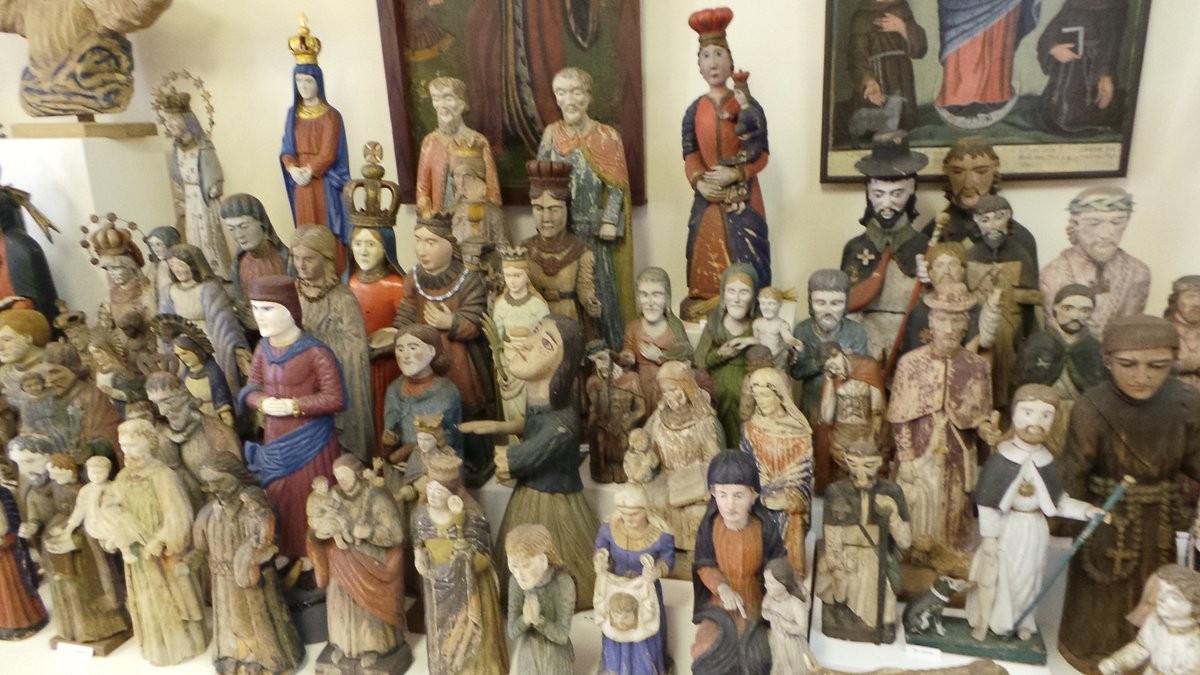
The museum's architectural centerpiece—the historic Varniai Priest Seminary building—houses a dedicated Diocesan Museum offering a unique glimpse into Lithuania’s spiritual past. Founded in 1770 and rebuilt in the 1990s after serving as a military barracks and concentration camp during Soviet rule, the seminary embodies resilience—a symbol of Samogitian perseverance through turbulent times. The museum's collection includes liturgical relics—stained glass windows depicting saints—and sculptures commemorating prominent clergymen who championed Lithuanian Orthodoxy.
What distinguishes Alka from other museums is its holistic approach—its ability to weave together disparate threads of history into a cohesive narrative. It’s more than just displaying objects; it’s fostering understanding—connecting visitors to the soul of Samogitia and preserving its cultural heritage for generations to come.