A Journey Through Time: The Byzantine and Christian Museum
The Byzantine and Christian Museum of Athens stands as a beacon of artistic heritage and spiritual contemplation—a place where visitors can step back centuries into the heart of Greek history and witness the splendor of Byzantium’s artistic legacy. Founded in 1914 on the first floor of the Academy of Athens, this institution began its journey with modest ambitions but swiftly ascended to prominence as a cornerstone for anyone fascinated by religious iconography and classical art.
Architectural Legacy: Villa Ilissia – A Neo-Classical Oasis
Initially housed in an unassuming space within the Academy itself—a building steeped in Athenian intellectual tradition—the museum’s story took a dramatic turn in 1914 when it relocated to Villa Ilissia, designed by Stamatios Kleanthis in 1848 for Duchess Marie Bonaparte. This villa represents more than just a building; it embodies the elegance and refinement of neo-classical architecture—a style that perfectly complements the museum’s extraordinary collection. Renovations undertaken in 2004 expanded Villa Ilissia's footprint, adding an additional wing to accommodate its growing holdings and creating a tranquil setting for contemplation amidst lush greenery.
A Treasure Trove of Byzantine Art: More Than Just Objects
With over 25,000 exhibits spanning from the early Christian era through the Late Middle Ages—a period marked by profound religious fervor and artistic innovation—the museum’s collection constitutes an unparalleled panorama of Byzantine art. These aren't merely relics of a bygone age; they are tangible embodiments of faith, meticulously crafted to convey theological narratives and spiritual symbolism. The curators have painstakingly assembled pieces that illuminate the diverse artistic traditions and stylistic evolution characteristic of Byzantium.
-
Icons:
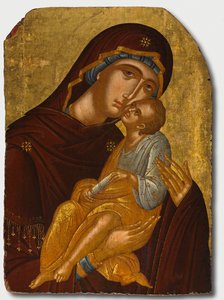
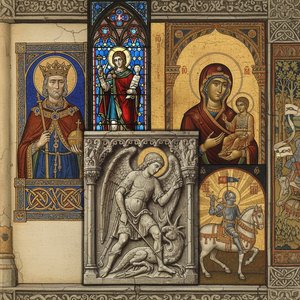
Admire an impressive variety of icons—sacred images representing distinct artistic styles and periods—each imbued with profound religious significance. These icons showcase remarkable craftsmanship, reflecting the devotion of Byzantine artists who sought to capture divine beauty through meticulous detail.
-
Frescoes:
Marvel at frescoes depicting biblical scenes with vibrant colors and intricate detail—testaments to the mastery of Byzantine painters who skillfully employed pigment and technique to recreate sacred narratives.
-
Sculptures:
Explore sculptures crafted from wood, ivory, and other materials—expressions of artistic skill that capture human form and convey religious themes with grace and precision.
Historical Context & Notable Exhibitions
The museum’s narrative unfolds against the backdrop of Byzantine history—a civilization that flourished for over a millennium, exerting an indelible influence on European culture and spirituality. Its collection reflects this dynamic period, showcasing artifacts from the IIIrd century AD to the Late Medieval era—a span encompassing transformative events such as the conversion of Constantine and the fall of Constantinople in 1453. Recent exhibitions have explored themes ranging from Byzantine mosaics to illuminated manuscripts, offering visitors fresh perspectives on artistic innovation and theological discourse.
What Makes The Museum Unique? A Window Into Byzantium’s Soul
Ultimately, what distinguishes the Byzantine and Christian Museum from other institutions is its singular dedication to preserving and presenting this distinctive artistic heritage—a commitment that transcends mere cataloguing and display. It's an immersive encounter with a civilization characterized by unwavering faith, opulent patronage, and unparalleled artistic achievement. Located within Villa Ilissia, the museum invites visitors to contemplate the enduring power of art to communicate spiritual truths and commemorate historical moments—making it an indispensable destination for anyone interested in delving into the depths of Greek history and Byzantine culture.