

Un chef-d'œuvre palladien dans le South Yorkshire
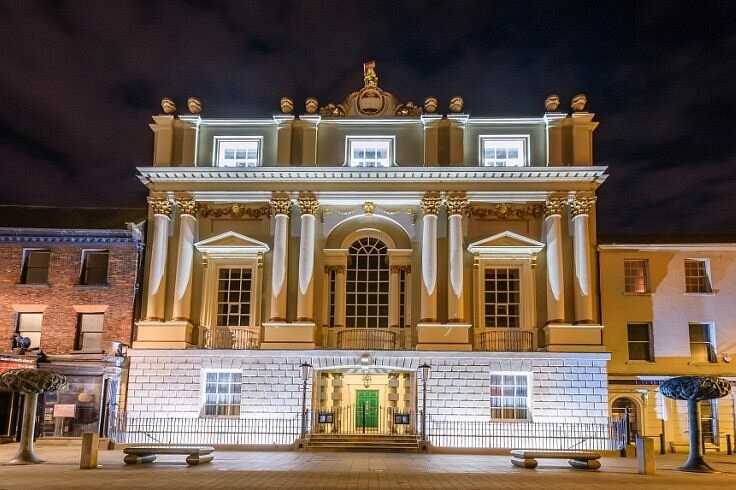
Telle une sentinelle silencieuse de l'ambition du XVIIIe siècle, la Doncaster Mansion House est bien plus qu'un simple monument municipal ; c'est une déclaration architecturale profonde sculptée dans la pierre de taille. Conçu par le visionnaire James Paine , ce trésor classé Grade I représente l'un des trois seuls chefs-d'œuvre palladiens de ce genre dans tout le Royaume-Uni. Sa façade symétrique et ses proportions harmonieuses ne se contentent pas de refléter les idéaux classiques, elles les imposent avec force, invitant l'observateur à plonger dans une époque où l'équilibre et l'élégance étaient les expressions ultimes de la fierté civique. La demeure s'est élevée sur un site imprégné d'antiquité — les anciens terrains du couvent carmélite — pour répondre aux besoins croissants d'une ville transformée par sa position stratégique le long de la Great North Road. À mesure que le commerce et les communications circulaient à travers cette artère vitale, la Mansion House est devenue la scène indispensable des grandes cérémonies et des délibérations politiques qui ont marqué l'ascension de Doncaster, passant du statut de bourgade marchande à celui de cité célébrée.
Les échos intimes d'une splendeur décorative
Franchir le seuil de la Mansion House, c'est pénétrer dans un tableau vivant méticuleusement préservé, où chaque recoin murmure les récits d'un passé opulent. L'intérieur fait office de sanctuaire pour les arts décoratifs, offrant un voyage sensoriel à travers les goûts raffinés de l'ère géorgienne. Les visiteurs sont accueillis par le lustre chaud et profond de l' acajou et l'éclat délicat et pâle des meubles en bois de satin , pièces qui furent autrefois les piliers des banquets les plus prestigieux de la région. Cette collection n'est pas une simple démonstration de richesse, mais un récit du savoir-faire artisanal ; aux côtés des boiseries fines, on découvre une argenterie étincelante et une porcelaine aux motifs exquis qui reflètent les rituels sociaux sophistiqués du XVIIIe siècle. Pour le designer d'intérieur et le collectionneur contemporain, ces salons constituent une source d'inspiration inépuisable, illustrant comment des palettes de couleurs feutrées, une ornementation classique et des détails faits main peuvent évoquer un sentiment de permanence et de grandeur dans n'importe quel espace.
Un héritage vivant d'art et de patrimoine
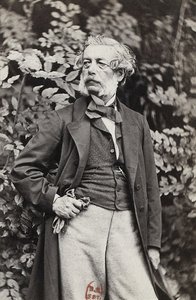
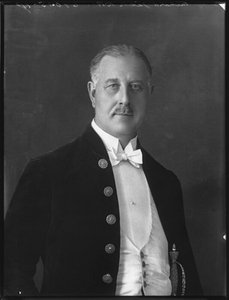
Au-delà de sa beauté physique, la Mansion House demeure un centre vibrant d'engagement culturel et de recherche historique. Les murs sont ornés de portraits de figures influentes dont les héritages ont façonné le destin de Doncaster, créant une lignée de leadership palpable au détour des coulolets. Grâce aux efforts dévoués de The Friends of Doncaster Mansion House , l'édifice continue d'accueillir des expositions remarquables qui jettent un pont entre l'histoire locale et les mouvements artistiques plus vastes. C'est un lieu où le passé n'est pas seulement mémorisé, mais activement vécu, préservé grâce à des efforts de conservation méticuleux soutenus par Historic England . En tant que monument à la fois du génie architectural et de la responsabilité civique, la Mansion House s'érige comme un témoignage durable de l'idée que la véritable beauté réside dans l'union parfaite de l'art, de l'histoire et de la communauté.