The Ackland Art Museum at The University of North Carolina at Chapel Hill: A Legacy of Visionary Collecting
The Ackland Art Museum stands as a singular institution within North Carolina’s cultural landscape—a place where the spirit of generosity meets the pursuit of artistic understanding. Born from the visionary bequest of William Hayes Ackland in 1958, this museum transcends the conventional role of art repository; it embodies a profound commitment to fostering intellectual curiosity and enriching the lives of its visitors. Its story begins not merely with objects on display but with an individual driven by an unwavering belief in the transformative potential of visual culture—a conviction that shaped UNC’s artistic identity for decades to come.
### From Duke's Disappointment to UNC's Triumph: The Founding Narrative
Initially conceived as a gift to Duke University, Ackland’s philanthropic ambitions shifted course following a protracted legal battle. Recognizing the importance of establishing an art museum specifically attuned to the needs and aspirations of the Southern region, he redirected his fortune toward UNC Chapel Hill—a decision that cemented its place as one of the state's foremost artistic landmarks. This remarkable act of foresight underscored Ackland’s conviction that art should be accessible to all, propelling UNC into a position of leadership within the academic realm. The ensuing legal disputes served as a poignant reminder of the complexities inherent in shaping cultural institutions and honoring legacies of generosity.
### A Kaleidoscope of Artistic Expressions: Exploring Collection Highlights
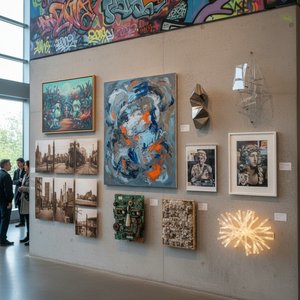
The Ackland's collection—spanning over 17,000 artworks—represents an astonishing panorama of artistic traditions from across continents. Its core strengths reside in Asian Art, where visitors encounter breathtaking depictions of Buddhist iconography alongside exquisitely crafted porcelain pieces—a testament to UNC’s longstanding engagement with East Asian culture and scholarship. European masterpieces dominate the museum's holdings, showcasing works by masters such as Eugène Delacroix, Albrecht Dürer, and Jean-Honoré Fragonard, offering immersive journeys into pivotal moments in Western artistic history. Contemporary art challenges conventions and stimulates dialogue, while a dedicated section delves into prints, photographs, and drawings—a celebration of visual storytelling across eras. Notably, the Ackland houses significant holdings by Pablo Picasso, Salvador Dali, and Käthe Kollwitz – artists who revolutionized artistic expression during their respective lifetimes.
### Architecture as Inspiration: The Museum Building’s Design Philosophy
Located at 101 S. Columbia Street, UNC Chapel Hill's Ackland Art Museum was conceived as more than just a building; it was envisioned as an environment conducive to contemplation and artistic engagement. Constructed in 1958 with generous funding from alumni Dana Cowen and Sheldon Peck, the museum’s architecture—characterized by soaring ceilings and expansive windows—creates an atmosphere that invites visitors to immerse themselves in art without distraction. The design prioritizes natural light and spatial openness, fostering a connection between interior space and the surrounding campus landscape—a deliberate reflection of UNC's values of intellectual rigor and aesthetic appreciation.
### Beyond Display: Engagement and Innovation at the Ackland
The Ackland distinguishes itself through its unwavering dedication to fostering intellectual curiosity and enriching the lives of its community. Free admission ensures that art remains accessible to all, while ongoing exhibitions and educational programs—ranging from artist talks to family workshops—provide opportunities for visitors of every age to engage with artistic concepts in stimulating ways. Furthermore, UNC’s commitment to ethical collecting practices is exemplified by its recent restitution initiative – returning a painting to its rightful heirs—demonstrating a responsiveness to broader societal concerns and upholding the museum's role as a champion of cultural heritage.
### A Continuing Dialogue: The Ackland Art Museum Today
Today, the Ackland continues to evolve as a beacon of artistic excellence and scholarly exploration. Its curators actively pursue new acquisitions and innovative programming initiatives—ensuring that its collection remains relevant to contemporary audiences while honoring its rich history. Visiting the Ackland Art Museum is an invitation to embark on a journey of discovery—a celebration of creativity, cultural heritage, and the enduring power of visual art.