

Sommaire
Informations clés
- Alternate names:
- La Maison du Marchand
- Maison du Marchand
- MHM
- Works on APS: 1
- Location: Marlborough, États-Unis
- Featured artists: abraham hondius danielsz
Quiz d'art
Chaque question ne comporte qu'une seule réponse correcte.
Question 1:
Quel est le sujet principal du musée La Maison du Marchand ?
Question 2:
Le bâtiment du musée est remarquable pour son style architectural :
Question 3:
Qui a initialement construit La Maison du Marchand ?
Question 4:
Pourquoi La Maison du Marchand est-elle unique parmi les autres maisons historiques à Manhattan ?
Question 5:
Les efforts de restauration du musée visent à assurer que les générations futures puissent apprécier quoi exactement ?
Artistes de la collection

abraham hondius danielsz
Dutch Golden Age painter Abraham Hondius specialized in animal hunting scenes & landscapes. Explore his unique style & works from Rotterdam & London.

Articles connexes
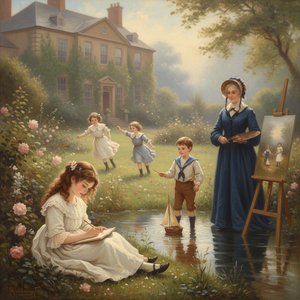
James Sant: Capturing Victorian Childhood & the Evolving Landscape of British Genre Painting
Explore the life & art of James Sant (1820-1916), renowned Victorian portraitist to Queen Victoria. Discover his captivating depictions of childhood, landscapes, and aristocratic society. Learn about his legacy & find fine art reproductions.

George Goodwin Kilburne: Capturing Victorian Sentimentality Through Genre Painting
Explore the evocative Victorian paintings of George Goodwin Kilburne. Discover his detailed scenes of domestic life, masterful use of light, and lasting impact on British genre painting. Learn more at OriginalUniqueArt.

Edmund Blair Leighton: Victorian Romance & Narrative Painting's Golden Age
Explore the captivating world of Edmund Blair Leighton, Victorian master of romantic narrative painting. Discover his iconic works & Pre-Raphaelite influences at OriginalUniqueArt.


Abonnez-vous à notre newsletter
Restez informé(e) des dernières actualités artistiques, des offres exclusives et des idées de décoration.
Recevez 3 suggestions d'œuvres d'art gratuites
Parlez-nous de votre projet et nos experts en art vous proposeront 3 suggestions d'œuvres personnalisées.
Not Sure Where to Start?
Let Us Curate 3 Options Just for You - Free!