

Informations clés
- Featured artists:
- Jacopo Tintoretto
- Lucas Cranach l'Ancien
- asmus jakob carstens
- Movements: italian baroque
- Works on APS: 3
- Mediums: acrylique sur toile
- Plus…
- Location: Wittenberg, Allemagne
- Alternate names:
- Staatliche Kunstsammlung Wittenberg
- Collection dart dÉtat Wittenberg
- Staatliche Kunstsammlungen Wittenberg
- Staatliche Kunstsammlungen
- Musée dart de Wittenberg
- Art types: art mural
Quiz d'art
Chaque question ne comporte qu'une seule réponse correcte.
Question 1:
Quelle est la principale raison pour laquelle les Staatliche Kunstsammlungen Wittenberg sont célèbres ?
Question 2:
L’emplacement du musée à Wittenberg est particulièrement remarquable parce que:
Question 3:
Quel artiste est reconnu pour son utilisation magistrale du clair-obscur dans ses œuvres ?
Question 4:
Qu'est ce qui distingue les Staatliche Kunstsammlungen Wittenberg des autres musées d’art ?
Question 5:
Dans quel style architectural les Staatliche Kunstsammlungen Wittenberg sont construites ?
Artistes de la collection

Jacopo Tintoretto
Découvrez Tintoretto (Jacopo Comin), un maître de la Renaissance vénitienne connu pour ses compositions dramatiques, sa touche audacieuse ('Il Furioso') et son utilisation innovante de la lumière et de la perspective. Explorez les œuvres emblématiques et son héritage dans l'art italien.


Lucas Cranach l'Ancien
Découvrez Lucas Cranach l'Ancien (1472-1553), peintre allemand de la Renaissance ! Portraits de Luther, scènes mythologiques vibrantes & art influent.

Asmus Jakob Carstens
Découvrez Asmus Jakob Carstens, peintre néoclassique allemand célèbre pour ses figures et croquis dramatiques. Explorez « La Nuit et ses enfants » et son héritage.
Articles connexes
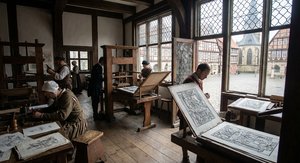
The Northern Awakening: Artistic Innovation & Cultural Transformation in the German Renaissance
Explore the artistic innovation of the German Renaissance! Discover Dürer, the Danube School & Reformation art. Learn about techniques, materials & lasting influence. Find museum-quality reproductions at OriginalUniqueArt.

L'Épanouissement de l'Humanisme : Une Exploration Approfondie du Mouvement Artistique de la Renaissance Italienne
Explorez en profondeur le mouvement artistique de la Renaissance italienne : ses innovations techniques, ses grands maîtres (Léonard de Vinci, Michel-Ange), et l'essor de l'humanisme. Un voyage au cœur d'une époque exceptionnelle.
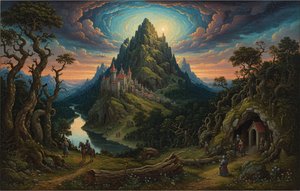
Albrecht Altdorfer: Innovation, Spirituality & the Northern Renaissance Landscape
Explore the groundbreaking art of Albrecht Altdorfer, a pioneer of the Northern Renaissance's Danube School. Discover his innovative landscapes, spiritual symbolism & lasting influence on German painting.
Collection d'œuvres d'art



Abonnez-vous à notre newsletter
Restez informé(e) des dernières actualités artistiques, des offres exclusives et des idées de décoration.
Recevez 3 suggestions d'œuvres d'art gratuites
Parlez-nous de votre projet et nos experts en art vous proposeront 3 suggestions d'œuvres personnalisées.
Not Sure Where to Start?
Let Us Curate 3 Options Just for You - Free!