Menu
CONSEIL EN ART GRATUIT

Hôtel de Soubise

Informations clés

  • Alternate names:
    • Hôtel de Soubise
    • Soubise Hotel
    • Hôtel Soubise
    • Archives Nationales
  • Featured artists: Charles-Joseph Natoire
  • Works on APS: 1
  • Location: Paris, France

Quiz d'art

Chaque question ne comporte qu'une seule réponse correcte.

Question 1:
Quel style architectural domine principalement l'intérieur de l'Hôtel de Soubise ?
Question 2:
Qui a joué un rôle clé dans la conception de la décoration intérieure de l'hôtel au cours des années 1730 ?
Question 3:
Quel artiste est célèbre pour ses peintures ornant les murs et les plafonds des appartements princiers de l'hôtel ?
Question 4:
Pourquoi l'Hôtel de Soubise est-il unique parmi les hôtels particuliers parisiens ?
Question 5:
Dans quelles institutions importantes l'Hôtel de Soubise héberge-t-il des documents historiques ?

A Journey Through Time at the Hôtel de Soubise

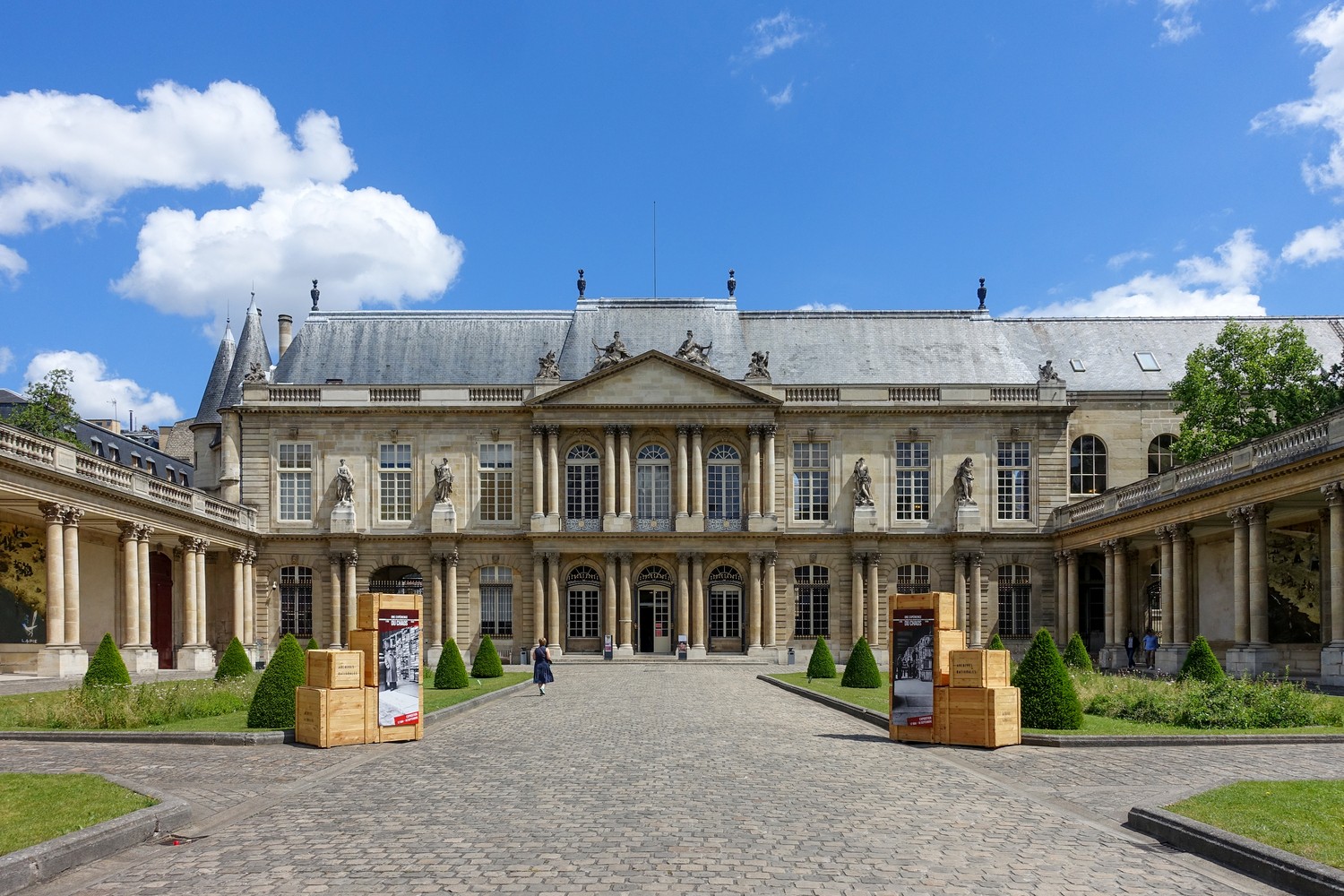
The Hôtel de Soubise stands as a singular beacon of Parisian grandeur—a palace not merely adorned with beauty, but steeped in centuries of French narrative. Now home to the National Archives Museum, this architectural marvel offers an unparalleled opportunity to immerse oneself in both artistic brilliance and the tangible echoes of royal history. Located at 60 Rue des Francs-Bourgeois in Paris’s historic Marais district (easily accessible via metro), the Hôtel de Soubise invites visitors on a captivating voyage back to the opulent era of Louis XV. ### Architectural Splendor: Between Courtyard and Garden Built initially as a fortified manor house for Olivier de Clisson in 1375, the Hôtel’s evolution mirrored the shifting fortunes of French nobility. It transitioned through successive aristocratic residences before reaching its zenith under François de Rohan, Prince Soubise, who undertook a transformative redesign in 1700—a project spearheaded by Germain Boffrand that cemented its place as an exemplar of hôtel particulier architecture. This style, “entre cour et jardin,” prioritized symmetry and grandeur, creating spaces designed to impress both visitors and convey power. The façade itself is a testament to Baroque influence, while the interior walls are adorned with intricate boiserie—decorative wooden panels—and bathed in light from expansive windows overlooking a meticulously landscaped garden. Visitors can admire the masterful craftsmanship of Boffrand’s design, recognizing the deliberate use of classical proportions and ornamentation to evoke notions of nobility and prestige. ### Rococo Interiors: A Symphony of Color and Texture The Hôtel’s artistic heart resides within its Rococo salons, painstakingly recreated by Boffrand during the 1730s. These rooms pulsate with vibrancy thanks to lavish use of gilded stucco, pastel hues—particularly shades of rose, peach, and pale blue—and shimmering mirrors—a technique favored by artists seeking to capture fleeting beauty and create an atmosphere of sensual delight. Among the most remarkable treasures housed here are canvases by François Boucher, Charles-Joseph Natoire, and Carle Van Loo, artists who epitomized Rococo’s aesthetic ideals. Observe how Boucher's delicate brushstrokes capture ethereal beauty in mythological scenes, mirroring the grandeur of the palace itself. Natoire’s masterful compositions convey emotion with remarkable precision, while Van Loo’s monumental landscapes showcase the artistic prowess of his time. The meticulous attention to detail—from the sumptuous fabrics adorning the walls to the exquisitely painted ceilings—demonstrates the unparalleled skill of Rococo artisans and underscores the Hôtel's status as a pinnacle of decorative art. ### Artistic Masterpieces: Beyond Decoration – Exploring Narrative Beyond the decorative splendor lies a profound artistic legacy. The Hôtel de Soubise houses an impressive collection of paintings that transcend mere ornamentation—they recount stories of royal patronage and artistic innovation. Consider, for instance, “Portrait of an Oriental Philosopher” by Giovanni Domenico Tiepolo, a monumental canvas reflecting Enlightenment ideals and demonstrating Tiepolo’s mastery of perspective and color. Its serene composition invites contemplation alongside the grandeur of the Hôtel's surroundings. Furthermore, visitors can marvel at François Boucher’s “Venus and Adonis,” a sensual depiction of classical mythology that exemplifies Boucher’s ability to infuse his canvases with emotion and theatrical flair. The juxtaposition of artistic brilliance and architectural magnificence creates an experience unlike any other—a testament to France’s enduring fascination with beauty and storytelling. ### Unlocking History: The Archives Nationales Legacy The Hôtel de Soubise isn't simply a beautiful building; it serves as the home to France’s national archives—a repository of documents spanning centuries, from medieval manuscripts to contemporary records. Visitors can delve into fascinating historical narratives firsthand, examining original letters, treaties, and official proclamations that illuminate pivotal moments in French history. The museum’s curators skillfully integrate these archival treasures with artistic masterpieces, fostering a dialogue between art and history that elevates the visitor experience. Recent exhibitions have explored themes of royal portraiture and decorative arts, highlighting the Hôtel’s role as a center for artistic innovation and demonstrating its importance as a cultural landmark. Its remarkably preserved state—a testament to careful conservation efforts—allows visitors to step back in time and witness an authentic glimpse into 18th-century Parisian aristocratic life, untouched by time. It stands as a poignant reminder of France’s rich cultural heritage and continues to inspire awe in anyone who wanders through its halls.


