Exploring Scotland’s Past Through Historic Sites & Artistic Reflections
Historic Scotland stands as a testament to Scotland's enduring fascination with its heritage—a mission beautifully mirrored in the artistic landscape of the nation. More than simply preserving buildings, it champions an immersive understanding of centuries past, fostering connections between history and culture that resonate deeply within the Scottish psyche. This dedication is powerfully illustrated by the museum’s presence at Edinburgh Castle, a site steeped in royal lineage and pivotal moments shaping Scotland's identity—a location famously featured in the television series “Outlander,” cementing its place as a cultural icon.
A Legacy of Fortifications & Architectural Diversity
The organization’s portfolio encompasses an astonishing array of historic sites, ranging from formidable medieval castles like Stirling Castle and Dunnottar Castle to stately homes reflecting the grandeur of Victorian Scotland. Each structure embodies distinct architectural styles—Romanesque, Gothic, Renaissance—telling stories of evolving tastes and societal transformations. The National War Museum itself resides within Edinburgh Castle’s walls, originally conceived as an ordnance storehouse in 1748 and subsequently adapted into a museum dedicated to commemorating Scotland's military history from the 17th century onwards. This building exemplifies careful consideration for context, blending historical grandeur with modern exhibition spaces—a deliberate choice reflecting Historic Scotland’s commitment to communicating heritage effectively. Its soaring ceilings and meticulously crafted stonework speak volumes about the ambition of Scottish architects during the Enlightenment era.
Treasures of Scottish Art: Artistic Interpretations of History
Beyond its architectural achievements, Historic Scotland recognizes the vital role art plays in conveying history's narrative. Consider “Highland Picnic” by George Bain – a captivating watercolor depicting rural Scottish life during the Victorian era. Bain’s masterful brushstrokes capture not only the visual beauty of the landscape but also the spirit of a bygone age, embodying the Romantic movement’s fascination with nature and emotion. Similarly, "Avatar" by Henry John Lintott delves into Symbolist aesthetics, presenting three women united in strength—a poignant reflection on resilience and feminine solidarity. The Royal Scottish Academy championed Lintott's work, demonstrating how artistic expression can illuminate historical themes. These pieces exemplify the Romantic movement’s preoccupation with emotional intensity and idealized representations of Scotland’s natural environment – a stylistic hallmark that distinguishes Scottish art from its continental counterparts.
The National War Museum: A Window Into Scotland’s Military Narrative
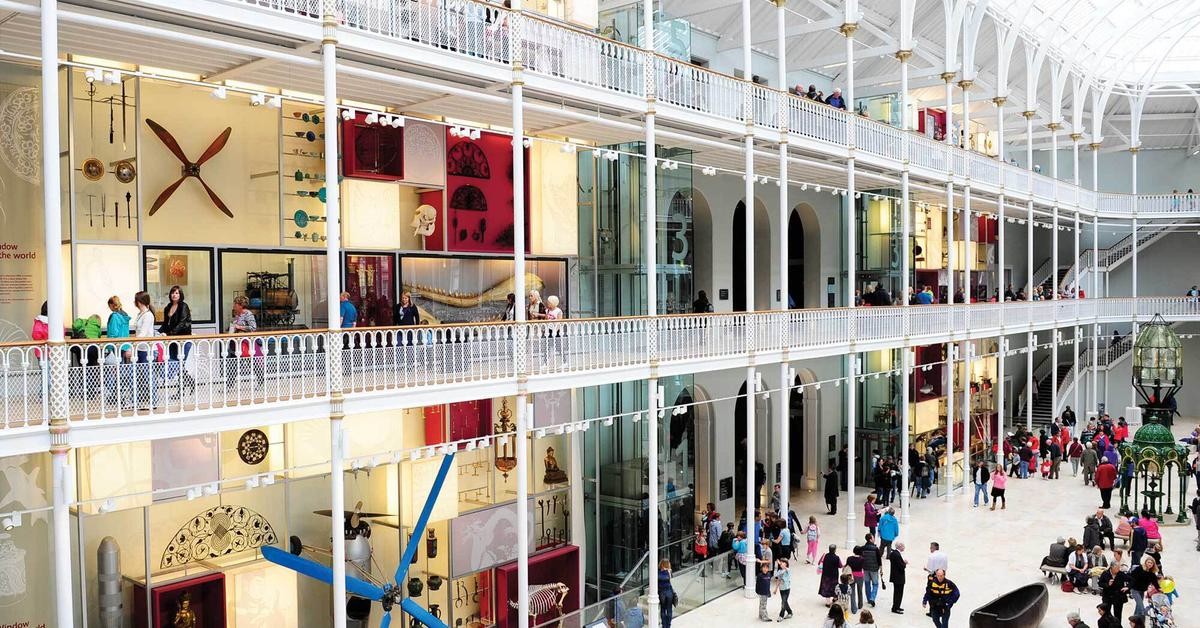
Located within Edinburgh Castle, the National War Museum chronicles 400 years of Scottish involvement in warfare—from the Jacobite uprisings to the First and Second World Wars and beyond. Exhibits showcase weaponry, uniforms, and personal accounts, offering visitors a visceral experience of conflict and its impact on Scottish society. The museum’s curators meticulously reconstruct historical scenes, utilizing artifacts and multimedia presentations to bring the past to life. It's an ambitious undertaking that underscores Historic Scotland’s commitment to presenting complex narratives—challenging viewers to contemplate the significance of military history within Scotland’s broader cultural heritage. The museum’s displays are designed not merely to recount battles but also to explore the social, economic, and psychological dimensions of war – fostering a nuanced understanding of its enduring legacy.
Connecting Past & Present: Historic Scotland’s Impact on Contemporary Culture
Historic Scotland’s influence extends beyond traditional museum practices; it actively engages with popular culture, capitalizing on collaborations like “Outlander” to introduce Scottish history to a global audience. This partnership exemplifies the organization's understanding of how storytelling can inspire curiosity and foster appreciation for Scotland’s heritage—a strategy that ensures its legacy continues to resonate across generations. Furthermore, Historic Environment Scotland’s trove.scot platform provides access to an unparalleled collection of objects – showcasing Scotland’s artistic treasures alongside its architectural landmarks. This digital resource allows researchers and enthusiasts alike to delve into Scotland's past with unprecedented depth and accessibility—a testament to Historic Scotland’s dedication to preserving heritage for future generations.