Renommée pour ses exquises aquarelles de Venise, Clara Montalba a acquis une renommée internationale avec des œuvres comme Le Port d'Amsterdam, vous invitant à découvrir la beauté lumineuse de ses scènes maritimes.
Explorez les portraits captivants de June Mendoza, une artiste australienne célèbre pour ses commandes royales et politiques. Découvrez son héritage dans l'art britannique !
Explore captivating portraits by Alastair Christian Adams, renowned for his detailed realism & evocative depictions of figures like Sethna & Tomlinson. Discover his art.
Un héritage de briques rouges : À la découverte du Girton College, Cambridge
Introduction
Esprits pionniers et échos artistiques
Grandeur architecturale et histoires cachées
L'héritage des anciens de Girton
Conclusion : Un phare du progrès
Introduction
Le Girton College est bien plus qu'une simple composante de l'Université de Cambridge ; il est le témoignage puissant d'une quête acharnée pour l'égalité éducative et un exemple frappant de la vision architecturale victorienne. Fondé en 1869 par les pionniettes Emily Davies et Barbara Bodichon, Girton a commencé son existence non pas sur les terres sacrées de l'université elle-même, mais à Benslow House, à Hitchin – un choix délibéré reflétant la résistance initiale face à l'accès des femmes à l'enseignement supérieur. Cet acte de défi précoce a donné le ton à l'histoire du collège, marquée par des remises en question courageuses des conventions et un engagement indéfectible envers l'inclusivité. La relocalisation sur son site actuel près de Cambridge en 1873, suivie de la construction des emblématiques bâtiments en briques rouges conçus par Alfred Waterhouse entre 1872 et 1887, a consolidé la présence physique et l'importance symbolique de Girton. Ces structures, avec leurs élégants détails victoriens, ne sont pas seulement belles ; elles représentent une victoire durement acquise pour des générations de femmes en quête d'accomplissement intellectuel.
Esprits pionniers et échos artistiques
L'histoire de Girton est inextricablement liée au mouvement féministe plus large du XIXe siècle. Les « Pionnières », comme étaient connues les premières étudiantes, ont navigué avec bravoure en territoire inconnu, devenant parmi les premières femmes à se présenter aux rigoureux examens du Tripos à Cambridge – un exploit qui a ouvert la voie à une admission complète en 1948. Cet esprit d'innovation s'est poursuivi jusqu'à la fin du XXe siècle, Girton franchissant de nouvelles étapes en devenant le premier collège pour femmes de Cambridge à admettre des étudiants masculins en 1976, embrassant ainsi un avenir véritablement coéducatif. Au sein de cet environnement de ferment intellectuel et de changement social, l'art a trouvé une demeure naturelle. Bien qu'il ne soit pas connu comme une grande galerie publique, le Girton College possède une collection soigneusement organisée qui reflète son histoire et ses valeurs. Notamment, le portrait de
Marianne Frances Bernard
par Francis Dodd offre un aperçu serein de la vie des femmes de cette époque, invitant à la contemplation des thèmes de l'âge, de la sagesse et de la résilience. La présence d'œuvres liées à Barbara Leigh Smith Bodichon elle-même – artiste autant qu'ardente défenseure des droits des femmes – souligne davantage le dévouement du collège à célébrer la créativité féminine.
Grandeur architecturale et histoires cachées
Une promenade à travers le Girton College est un voyage dans le temps, commençant par l'Old Wing, achevé en 1876, qui incarne l'esthétique victorienne quintessencielle. La remarquable maçonnerie de briques rouges, caractéristique du style de Waterhouse, dégage à la fois solidité et grâce. Au-delà de son attrait visuel, l'architecture répond aux besoins pratiques d'une institution pionnière – offrant des espaces pour l'étude, le logement et la vie communautaire. Une exploration plus approfondie révèle des trésors cachés tels que Taylor's Knob et l'aile Hospital Wing, chaque bâtiment murmurant les récits des premiers jours du collège et des défis rencontrés par ses premières étudiantes. Ces structures n'ont pas été simplement construites ; elles ont été
créées
comme des environnements propices à l'apprentissage et à la promotion d'un sentiment de communauté parmi des femmes qui brisaient les barrières à chaque conférence suivie et à chaque examen réussi. Les vastes terrains eux-mêmes, s'étendant sur 33 acres (13 hectares), offrent une évasion tranquille loin de l'agitation de Cambridge, offrant un espace de réflexion et de connexion avec la nature – un élément essentiel pour nourrir la croissance tant intellectuelle que personnelle.
L'héritage des anciens de Girton
Aujourd'hui, le Girton College continue de maintenir son héritage d'inclusivité et d'excellence académique. Il se présente comme une communauté vibrante où des étudiants de tous horizons se rassemblent pour poursuivre leurs passions et façonner l'avenir. L'engagement du collège va au-delà de la simple admission d'étudiants diversifiés ; il favorise activement un environnement où chacun se sent valorisé, soutenu et habilité à atteindre son plein potentiel. Ce dévouement se reflète dans ses installations modernes – incluant des logements de pointe, une bibliothèque bien équipée et d'excellentes infrastructures sportives – intégrées harmonieusement à l'architecture historique. Girton ne se contente pas de préserver le passé ; il s'appuie dessus pour créer un espace dynamique où tradition et innovation coexistent en harmonie. Parmi les anciens illustres de Girton figurent la reine Margrethe II du Danemark, Lady Hale, Arianna Huffington, l'humoriste et auteure Sandi Toksvig, l'économiste Joan Robinson et l'anthropologue Marilyn Strathern, qui a également occupé le poste de Mistress de 1998 à 2009.
Conclusion : Un phare du progrès
Le Girton College est bien plus qu'une institution éducative ; c'est un monument vivant au progrès, un symbole de courage et un joyau caché dans le paysage de Cambridge. Ses remarquables anciens – incluant la reine Margrethe II, Lady Hale, Arianna Huffington, Sandi Toksvig, Joan Robinson et Marilyn Strathern – témoignent du pouvoir transformateur de l'éducation et de l'impact durable de l'esprit pionnier de Girton. Que vous soyez un passionné d'art attiré par ses subtils trésors artistiques ou un amateur d'histoire captivé par son récit poignant, le Girton College offre une expérience unique et enrichissante qui résonnera longtemps après votre visite. C'est un lieu où le passé informe le présent, et où l'avenir de l'éducation continue d'être forgé avec audace et vision.
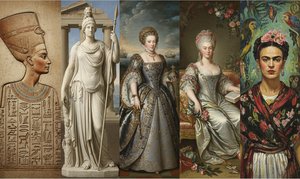
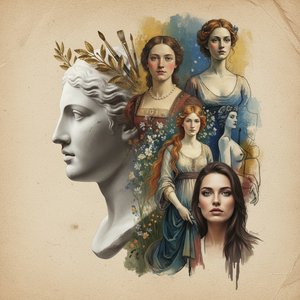
Explore the rich history of women in art – from iconic muses to groundbreaking artists. Discover feminist movements & reclaim female narratives with OriginalUniqueArt. Expert insights for discerning collectors.
Explorez l'évolution du regard féminin dans l'art à travers les âges ! Découvrez les représentations artistiques de la femme, des mythes aux mouvements féministes. Analyse approfondie et reproductions d'art sur OriginalUniqueArt.
Explore the rich history of women in art – from iconic muses to groundbreaking artists. Discover feminist movements, global perspectives & reclaim female narratives with OriginalUniqueArt.
OAssistant du studioEn ligne · répond en une minute
Bonjour ! Je peux vous aider à choisir une œuvre d'art, à suivre une commande ou à répondre à vos questions sur la garantie. Comment puis-je vous aider ?