
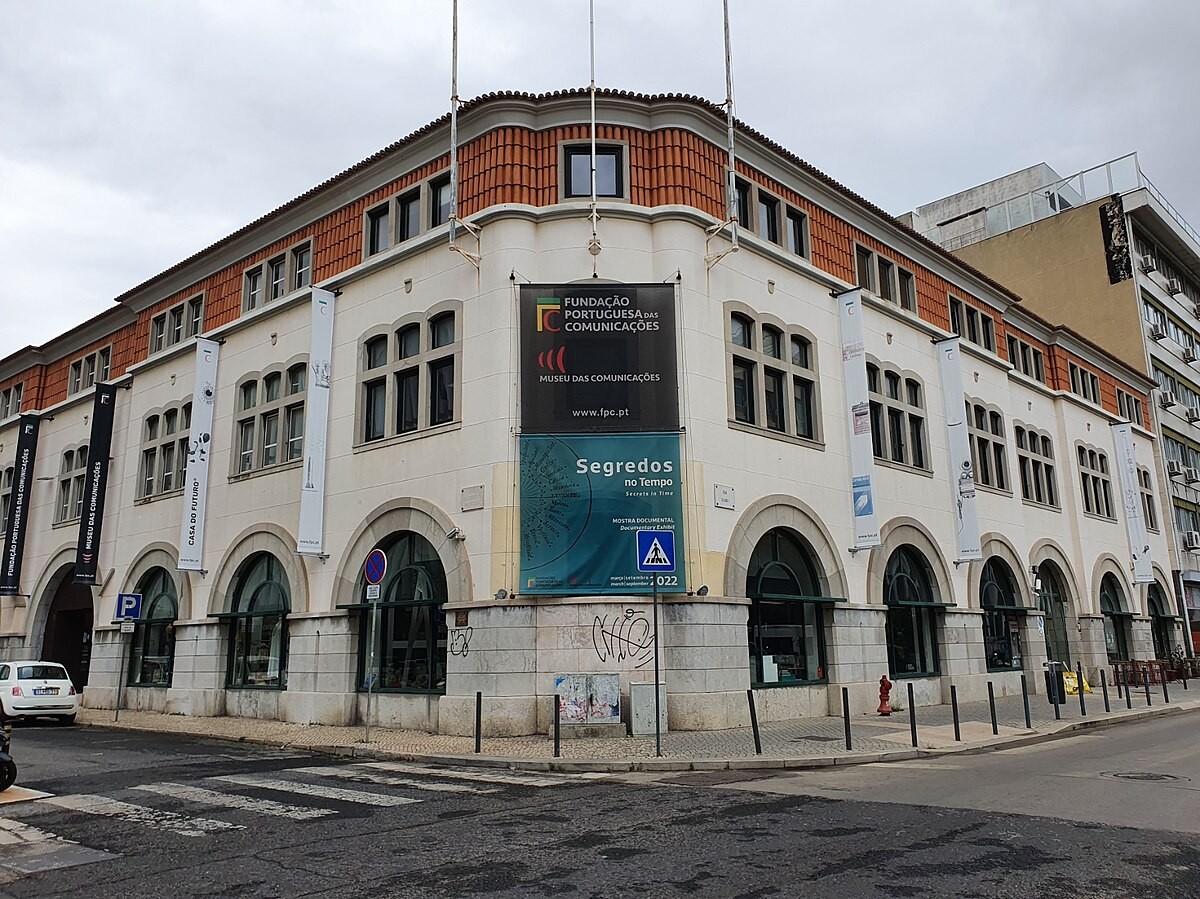
Sommaire
Informations clés
- Location: Lisbonne, Portugal
- Works on APS: 30
- Featured artists:
- carlos botelho chaves
- maria de lourdes bettencourt de castro
- maria keil / fábrica de cerâmica viúva lamego
- lars magnus ericsson
- jose pedro roque gameiro martins barata
- Alternate names:
- Fundação Portuguesa das Comunicações
- FPC
- Fondation des Communications Portugaises
Quiz d'art
Chaque question ne comporte qu'une seule réponse correcte.
Question 1:
Quel est le domaine principal d’intérêt de la Fundação Portuguesa das Comunicações ?
Question 2:
L’usine initiale où se trouve le musée était initialement conçue pour ?
Question 3:
Quelle collection contribue à la mission de la Fondation Portuguesa des Comunicações ?
Question 4:
Ce qui distingue la Fundação Portuguesa das Comunicações des autres musées ?
Question 5:
L'objectif principal de la Fundação Portuguesa das Comunicações est de ?
Artistes de la collection

Carlos Botelho Chaves
Explorez les peintures modernistes de Lisbonne de Carlos Botelho Chaves – un artiste portugais pionnier ! Découvrez ses œuvres satiriques et son influence sur l'art.


Lourdes Castro
Découvrez Maria de Lourdes Bettencourt de Castro (Lourdes Castro), artiste portugaise renommée pour son art abstrait, ses collages et son théâtre d'ombres innovant. Explorez sa contribution aux mouvements comme le groupe KWY.
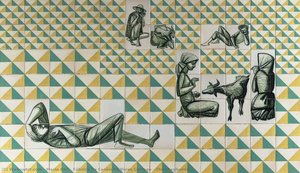
Maria Keil / Fábrica De Cerâmica Viúva Lamego
Découvrez les magnifiques azulejos de Maria Keil & Fábrica de Cerâmica Viúva Lamego ! Explorez ses carreaux emblématiques, incluant le métro de Lisbonne et des symboles maçonniques. Une pionnière de la céramique portugaise.
Articles connexes
L'Évolution du Paysage Artistique : De l'Art Traditionnel à l'Accessibilité Numérique
Explorez l'évolution de l'art, des techniques traditionnelles à l'impact du numérique et de l'IA. Découvrez comment rend l'art accessible à tous.
L'Art comme Architecture : Peintures sur Mesure et Identité Spatiale des Environnements Intérieurs
Sublimez votre intérieur avec des peintures sur mesure et des fresques personnalisées. Artistes experts, qualité musée, conseils gratuits. Créez un espace unique & raffiné avec OriginalUniqueArt.
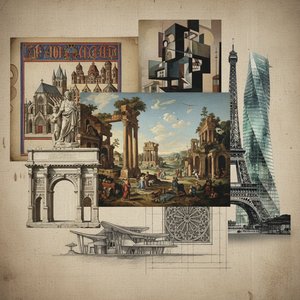
The Enduring Legacy of Architecture in Art: A Historical Survey of Representation & Meaning
Explore the rich history of architecture in art, from Renaissance theory to 19th-century reconstructions. Discover key artists & movements shaping visual representation – a guide for discerning collectors.
Collection d'œuvres d'art
Aucune œuvre d'art trouvée.


Abonnez-vous à notre newsletter
Restez informé(e) des dernières actualités artistiques, des offres exclusives et des idées de décoration.
Recevez 3 suggestions d'œuvres d'art gratuites
Parlez-nous de votre projet et nos experts en art vous proposeront 3 suggestions d'œuvres personnalisées.
Not Sure Where to Start?
Let Us Curate 3 Options Just for You - Free!