

Sommaire
Informations clés
- Featured artists:
- slovak carver from 18th century
- unkown prosper
- Location: Valladolid, Espagne
- Works on APS: 2
- Alternate names:
- Fondation Arellano Alonso
- Arellano Alonso Foundation
- Fundación Jiménez-Arellano Alonso
- FAJA
Quiz d'art
Chaque question ne comporte qu'une seule réponse correcte.
Question 1:
Quelle est la principale raison pour laquelle le musée Fundación Alberto Jiménez-Arellano Alonso est reconnu ?
Question 2:
Dans quel palais historique le musée Fundación Alberto Jiménez-Arellano Alonso est-il situé ?
Question 3:
Qui a fondé la Fondation Alberto Jiménez-Arellano Alonso ?
Question 4:
Quel est un avantage majeur offert par cette Fondation ?
Artistes de la collection

slovak carver from 18th century
Discover the Slovak carver from the 18th century, renowned for exquisite craftsmanship and cultural significance. Explore their unique styles, themes, and contributions to historical art and woodworking traditions.


Unkown Prosper
Le chanteur de R&B ougandais unkown prosper mêle voix soulful et sons contemporains. Explorez sa musique – une voix unique venue d'Entebbe, en Ouganda.
Articles connexes

Les 10 Chefs-d'œuvre Bronzes Qui Ont Révolutionné la Sculpture | OriginalUniqueArt
Plongez dans l'univers fascinant des 10 sculptures en bronze les plus emblématiques de l'histoire de l'art. Rodin, Degas et autres maîtres révélés ! Découvrez leur histoire, leurs techniques et trouvez l'œuvre parfaite pour sublimer votre intérieur sur OriginalUniqueArt.com.

The Enduring Form: Exploring Themes & Techniques in Sculpture Across Historical Periods
Explore the rich history of sculpture from ancient masterpieces to contemporary innovations. Discover key techniques, influential artists & investment potential for discerning art collectors.
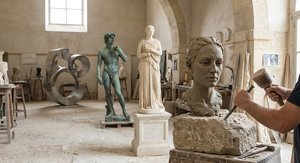
The Enduring Form: Sculpture Across History, Technique & Emotional Resonance
Explore the rich history of sculpture with OriginalUniqueArt. Discover key techniques, influential artists & investment potential for discerning collectors. Expert insights into valuing and collecting timeless masterpieces.
Collection d'œuvres d'art
Aucune œuvre d'art trouvée.


Restez informés de notre actualité
Restez informé(e) des dernières actualités artistiques, des offres exclusives et des idées de décoration.
Recevez 3 suggestions d'œuvres d'art gratuites
Parlez-nous de votre projet et nos experts en art vous proposeront 3 suggestions d'œuvres personnalisées.
Not Sure Where to Start?
Let Us Curate 3 Options Just for You - Free!