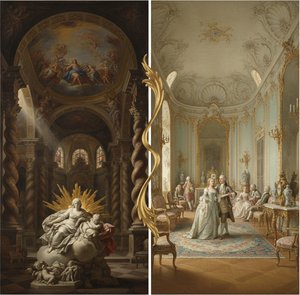


Un chef-d'œuvre baroque au cœur de la Bavière
Niché dans le paysage serein de Weyarn, l' Ancienne Église Augustinienne s'érige comme un témoignage époustouflant de l'apogée artistique de la fin de la période baroque. Construite entre 1705 et 1710 , cette merveille architecturale est bien plus qu'un simple lieu de culte ; elle constitue un dialogue profond entre la pierre, le stuc et l'esprit. Conçue à l'origine comme la chapelle privée d'un monastère augustin, son évolution en église paroissiale catholique a permis de préserver un sanctuaire où la grandeur du passé demeure vibrante. La façade, avec sa symétrie frappante, introduit les visiteurs dans un monde où la dignité formelle du baroque rencontre la grâce délicate et ludique de l'ornementation rococo , créant un sentiment d'émerveillement immédiat grâce à ses reliefs extérieurs complexes.
L'âme de la sculpture et de l'art du stuc
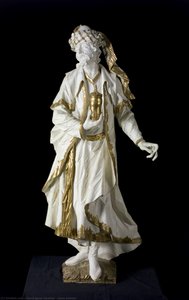
En franchissant le seuil, le visiteur est enveloppé dans un environnement immersif où chaque surface raconte une histoire de dévotion divine et de savoir-faire humain. L'intérieur est une véritable leçon de texture et de mouvement, largement défini par les travaux de stuc époustouflants de Johann Baptist Zimmermann . Figure pivot du mouvement rococo, les dessins de Zimmermann transforment les murs en tapisseries organiques de lignes fluides et de formes naturelles, effaçant la frontière entre l'architecture et l'ornement. Cette atmosphère éthérée offre la scène parfaite pour les trésors les plus célèbres de l'église : les sculptures d' Ignaz Günther . En tant que sculpteur baroque éminent de Bavière, Günther a imprégné ses œuvres d'une profondeur émotionnelle inégalée. Dans des pièces telles que La Visitation , l'on peut témoigner du détail méticuleux et de la profonde expression humaine qui définissent son génie, offrant une connexion poignante aux récits spirituels de l'époque.
Un héritage culturel vivant
Au-delà de sa splendeur esthétique, l'église fonctionne comme une fenêtre vitale sur l'évolution historique de la vie religieuse bavaroise. C'est un lieu où les marées changeantes de la société — de l'isolement monastique à la vie paroissiale communautaire — sont gravées dans la structure même du bâtiment. Pour les historiens de l'art comme pour les collectionneurs, le musée offre une opportunité rare d'explorer les thèmes du mécénat et l'esprit de collaboration entre les maîtres artistes et les familles aristocratiques qui les soutenaient. À travers des expositions régulières qui approfondissent l'influence de l'art baroque régional, l'Ancienne Église Augustinienne continue de servir de destination inspirante, invitant tous ceux qui y entrent à se perdre dans la beauté éternelle d'une époque révolue.