

Sommaire
Informations clés
- Works on APS: 6
- Featured artists: andrew stacey
- Location: Devonport, United Kingdom
Quiz d'art
Chaque question ne comporte qu'une seule réponse correcte.
Question 1:
Quel est le nom du musée situé à Devonport ?
Question 2:
Le musée se spécialise dans la préservation et l’exposition du patrimoine de quel endroit ?
Question 3:
Un artefact remarquable présenté au musée est Piper Bill Millins’ D-Day bagpipes. Quel symbole représente cet artefact ?
Question 4:
Quelle caractéristique architecturale contribue à l’expérience globale du visiteur au musée Dawlish ?
Artistes de la collection

Andrew Stacey
Explorez les paysages saisissants d’Andrew Stacey – un artiste britannique reconnu pour capturer la beauté sauvage des côtes écossaises et les œuvres majeures de son mouvement artistique ! Découvrez son style unique aujourd'hui !

Articles connexes

John Atkinson Grimshaw: Atmospheric Realism & the Victorian Nocturne
Explore the captivating world of John Atkinson Grimshaw, Victorian master of atmospheric nightscapes. Discover his iconic paintings, unique techniques & enduring legacy. Learn about collecting Grimshaw's art today!
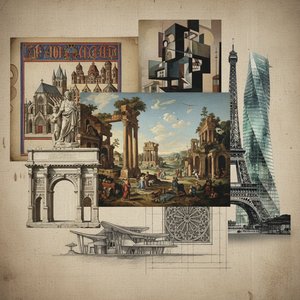
The Enduring Legacy of Architecture in Art: A Historical Survey of Representation & Meaning
Explore the rich history of architecture in art, from Renaissance theory to 19th-century reconstructions. Discover key artists & movements shaping visual representation – a guide for discerning collectors.
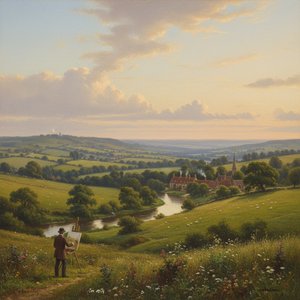
Edward Wilkins Waite: A Victorian Vision of Surrey's Serene Landscapes & Artistic Legacy
Explore the serene landscapes of Edward Wilkins Waite (1854-1924), a prolific Victorian painter celebrated for his depictions of Surrey's countryside. Discover his artistic influences, career highlights & collecting guide.
Collection d'œuvres d'art
Aucune œuvre d'art trouvée.


Abonnez-vous à notre newsletter
Restez informé(e) des dernières actualités artistiques, des offres exclusives et des idées de décoration.
Recevez 3 suggestions d'œuvres d'art gratuites
Parlez-nous de votre projet et nos experts en art vous proposeront 3 suggestions d'œuvres personnalisées.
Not Sure Where to Start?
Let Us Curate 3 Options Just for You - Free!