
A Journey Through Justice & Artistic Expression: Preston Crown Court
Preston Crown Court stands as more than just a courthouse; it’s a testament to Lancashire’s legal heritage interwoven with the beauty of art. Located in Harris Street, Preston, this Grade II* listed building embodies Edwardian Baroque grandeur and houses a remarkable collection that offers visitors an unparalleled glimpse into both history and artistic innovation.
Originally conceived as a replacement for an older Sessions House, the Court’s construction began in 1904 under the visionary guidance of Henry Littler. The architectural style—Edwardian Baroque—immediately commands attention with its towering façade crafted from Longridge stone, reflecting the ambition and sophistication of the era. Its symmetrical design speaks volumes about the values of order and authority prevalent during that period.
Histoire et Architecture
Built in 1904 to supersede a previous Sessions House, Preston Crown Court was designed by Henry Littler in the opulent Edwardian Baroque style. The monumental façade dominates Harris Street, showcasing meticulous craftsmanship and commanding respect. Constructed from locally quarried Longridge stone, it exemplifies the grandeur of its time—a deliberate statement of civic pride and legal prestige.
Spécialisations et Collections
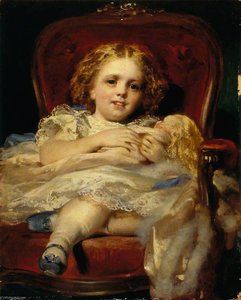
The Court’s artistic treasures include pieces by Alfred Borron Clay and Daniel Macnee. Clay's landscapes capture the serene beauty of Lancashire countryside, utilizing muted tones and textured brushstrokes to convey tranquility—a masterful demonstration of Impressionistic technique. Macnee’s portraits showcase remarkable realism and technical skill, capturing subjects with nuanced expressions—reflecting the precisionism movement’s focus on detail and accuracy.
Beyond its architectural splendor and artistic holdings, Preston Crown Court holds a significant place in British legal lore. It served as the venue for pivotal trials, notably Jon Venables and Robert Thompson's conviction for the horrific murder of James Bulger in 1993—a case that captivated national attention and underscored the importance of justice.
Notable Trials & Legal Significance
The Court’s history extends to Dr. Harold Shipman's conviction for multiple murders, a chilling reminder of the vulnerability inherent in human relationships and the pursuit of truth. These trials have shaped public perception of law enforcement and societal responsibility—serving as a poignant illustration of the courtroom’s role in upholding moral standards.
What Makes Preston Crown Court Unique?
Preston Crown Court distinguishes itself through its dual identity – a functional courthouse open to the public alongside a museum dedicated to preserving legal history and showcasing artistic excellence. Visitors can witness courtroom proceedings firsthand while immersing themselves in masterpieces that inspire contemplation and understanding—a rare opportunity to engage with both law and art simultaneously.
The building’s architectural grandeur, combined with its impressive collection of artworks, creates an environment conducive to intellectual curiosity and aesthetic appreciation. Preston Crown Court stands as a beacon of Lancashire's cultural heritage—a place where the echoes of past trials resonate alongside the enduring beauty of artistic expression.