Menu
CONSEIL EN ART GRATUIT

Collection de Barbara Piasecka Johnson

Informations clés

  • Art types: art mural
  • Mediums: acrylique sur toile
  • Works on APS: 1
  • Movements: baroque dramatic style
  • Plus…
  • Alternate names:
    • Piasecka-Johnson Collection
    • Piasecka-Johnson Coll.
    • Fondation Barbara Piasecka Johnson
    • Princeton Art Museum
  • Location: Princeton, États-Unis
  • Featured artists: Caravage

Quiz d'art

Chaque question ne comporte qu'une seule réponse correcte.

Question 1:
Quelle est la principale raison pour laquelle la collection Barbara Piasecka-Johnson est connue ?
Question 2:
Qui a établi la collection Barbara Piasecka-Johnson ?
Question 3:
'Le Sacrifice d’Isaac' de Caravage est une œuvre remarquable dans la collection. Quel style artistique illustre cette peinture ?
Question 4:
La Collection est étroitement associée à Jasna Polana. Qu'est-ce que Jasna Polana ?

A Legacy of Artistic Vision: Exploring the Barbara Piasecka-Johnson Collection

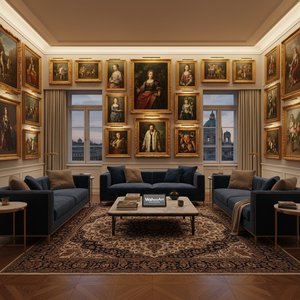
The Barbara Piasecka-Johnson Collection in Princeton, New Jersey, transcends mere artistic accumulation; it represents a profound commitment to safeguarding European artistic heritage—a conviction that drove its founder, Barbara Piasecka-Johnson, to undertake an ambitious endeavor to assemble this extraordinary trove of masterpieces. Situated amidst the tranquil beauty of Jasna Polana estate, the collection offers visitors an unparalleled opportunity to immerse themselves in artworks spanning centuries and disciplines, fostering a contemplative atmosphere ideal for appreciating their enduring significance. Old Masters: Caravaggio’s Dramatic Presence At the heart of the Collection lies Caravaggio's monumental ‘The Sacrifice of Isaac,’ a painting that immediately captivates the viewer with its visceral portrayal of biblical narrative brimming with emotion and masterful chiaroscuro—a technique pioneered by Michelangelo Merisi da Caravaggio himself. This iconic depiction exemplifies Baroque dramatic realism, showcasing Caravaggio’s unparalleled ability to manipulate light and shadow to heighten emotional impact. The canvas pulsates with palpable tension as Isaac stares down at Abraham, awaiting the inevitable sacrifice, capturing a moment of profound spiritual contemplation within a framework of theatrical grandeur. Alongside this centerpiece resides a selection of works by Rembrandt, Raphael, and other luminaries whose contributions profoundly shaped European art history—each piece whispering tales of artistic innovation and intellectual fervor. Flemish Tapestries: Threads of Tradition Adding another layer of textural richness to the Collection’s narrative tapestry is an impressive ensemble of Flemish tapestries—a testament to the skill and artistry of Flemish weavers during the Renaissance and Baroque eras. These intricately woven textiles depict scenes from mythology, heraldry, and biblical stories, demonstrating not only aesthetic beauty but also the sophisticated craftsmanship prevalent in Northern Europe. The vibrant hues and meticulous detail—from gilded frames to exquisitely carved cabinetry—create immersive environments that evoke the grandeur of aristocratic life and cultural values of the time. Examining these objects alongside the paintings provides invaluable insight into broader social contexts and artistic trends, illuminating how aesthetic ideals evolved throughout history. 18th-Century Art & Furniture: Elegance Defined Completing the Collection’s panorama is a thoughtfully curated assortment of artworks and furniture reflecting the opulent tastes of European royalty and nobility—pieces crafted by renowned artisans showcasing meticulous attention to detail. These objects embody the neoclassical elegance championed during the Enlightenment, prioritizing symmetry, restraint, and harmonious proportions. Examining these furnishings alongside the paintings illuminates how artistic sensibilities intersected with social aspirations, shaping the visual landscape of Europe’s most influential courts. Notable Exhibitions & Accessibility Maintaining its private character, the Collection welcomes scholarly engagement through curated exhibitions exploring thematic connections between artists and patrons—initiatives designed to foster deeper understanding of the complex interplay between art and society. Recent presentations have focused on Caravaggio's influence on Baroque painting and the role of aristocratic commissions in shaping artistic production. Furthermore, Jasna Polana’s serene setting provides an exceptional backdrop for appreciating these artistic treasures—a space dedicated to fostering contemplation and scholarly dialogue. Currently, official website access is limited; however, external resources offer detailed information on visiting hours and collection highlights. A Singular Pursuit: Barbara Piasecka Johnson's Vision The Collection’s enduring significance stems from Barbara Piasecka-Johnson’s unwavering belief in preserving European artistic heritage—a conviction that fueled her ambitious undertaking to assemble this remarkable trove of masterpieces. Her legacy continues to inspire, reminding us of the transformative power of art and its capacity to transcend time and cultural boundaries—a testament to a singular pursuit dedicated to safeguarding beauty and intellectual curiosity for generations to come.