A Journey Through Faith and Renaissance Art: Exploring the Chiesa dell’Osservanza
The Chiesa dell’Osservanza (Basilica dell’Osservanza) in Siena, Italy, stands as a testament to the fervent spirit of the fifteenth century and the blossoming brilliance of Renaissance art. More than just a religious edifice, it embodies Siena’s cultural heritage—a place where faith intersected with artistic innovation—leaving an indelible mark on Tuscan history. Its walls whisper tales of piety, patronage, and unparalleled craftsmanship, inviting visitors to contemplate its enduring beauty and profound significance.
Historical Roots: The Observant Franciscan Legacy
Founded by the Observant Franciscans – a reformist faction within the Order – the basilica commemorates Saint Bernardino of Siena, a preacher revered for his unwavering devotion and advocacy for social justice. Construction commenced in the 1460s, mirroring the broader Renaissance preoccupation with humanist ideals and spiritual renewal. The fervor for religious contemplation fueled by Bernardino’s teachings profoundly influenced the architectural vision and artistic program undertaken during this period. Documents reveal meticulous planning—a chapter convened in 1474—focused on establishing standards for expanding the pre-existing chapel, reflecting a commitment to upholding Saint Bernardino's legacy.
Architectural Harmony: Gothic Roots Embracing Renaissance Innovation
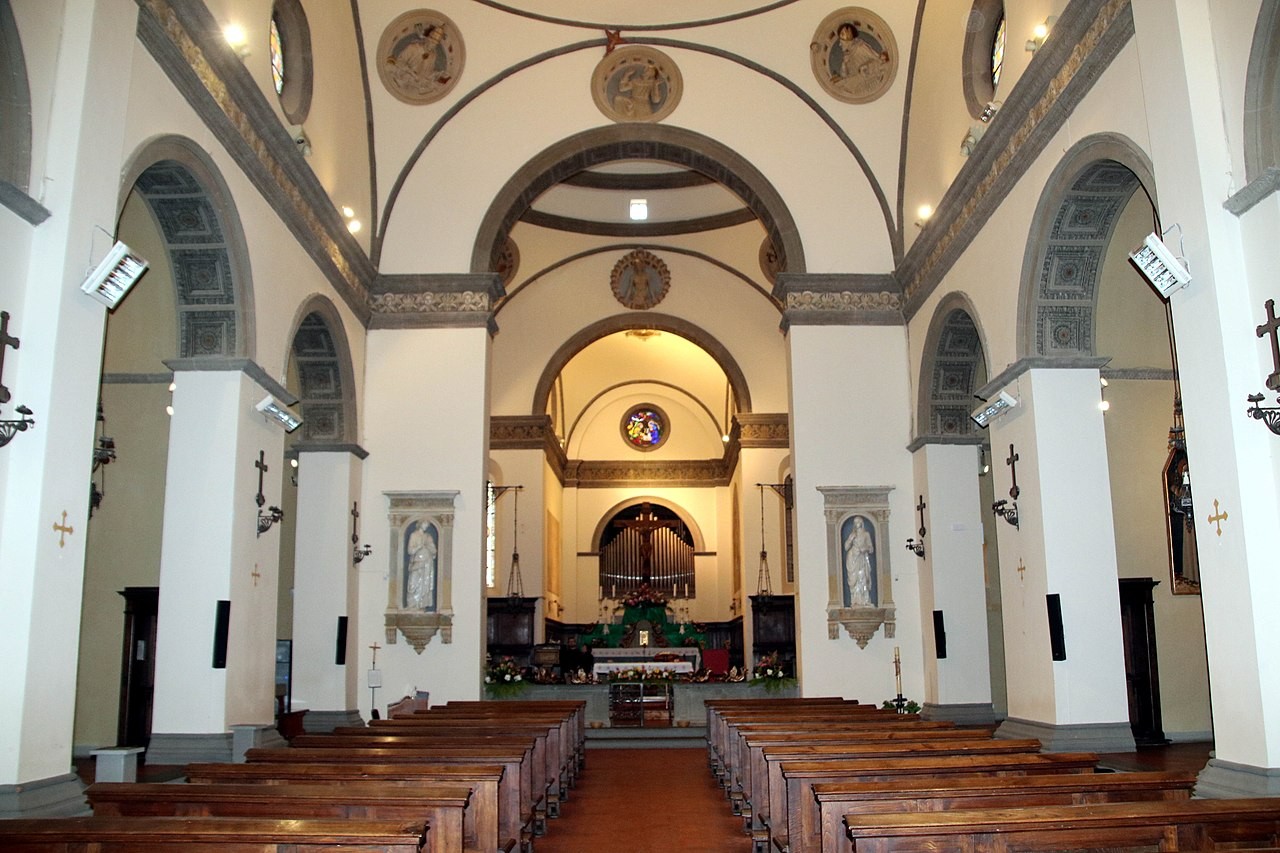
The Chiesa dell’Osservanza showcases a captivating fusion of Gothic and early Renaissance styles. While retaining traditional elements like soaring arches adorned with intricate tracery—a hallmark of Siena’s medieval past—architects skillfully incorporated innovative features reflecting the period's advancements in design. The interior space is conceived as an instrument for fostering contemplation, bathed in diffused light filtering through stained glass windows depicting scenes from Saint Bernardino’s life and theological doctrines. Careful attention was paid to proportions and symmetry, aligning with Renaissance principles of harmony and balance—a deliberate departure from the more ornate Gothic aesthetic prevalent earlier centuries.
A Treasure Trove of Frescoes: Artistic Expressions of Faith
The basilica’s artistic centerpiece is undoubtedly its magnificent frescoes – a vibrant panorama of biblical narratives and Saint Bernardino's pilgrimage to Jerusalem. Created by Sienese masters like Andrea della Robbia and Giovanni Pisano, these artworks exemplify the mastery of tempera and fresco painting techniques—methods perfected during the Renaissance. The frescoes depict scenes from Saint Bernardino’s life with remarkable detail and expressive dynamism, capturing the essence of his preaching ministry and conveying profound theological messages. Notable amongst them is “The Coronation of the Virgin” by Andrea della Robbia – a terracotta sculpture embodying humanist ideals through its meticulous craftsmanship and emotive portrayal of Mary crowning Jesus Christ.
Niccolò Piccolomini’s Patronage: Shaping Siena's Artistic Vision
Though not himself an artist *dans* l’église, Niccolò Piccolomini—later Pope Pius III—played a crucial role in securing funding for the basilica’s ambitious artistic program. His influence extended beyond finances; he championed Saint Bernardino’s teachings and ensured that Siena remained steadfast in its commitment to religious reform. Piccolomini's patronage fostered an environment conducive to artistic excellence, attracting renowned artists and shaping Siena’s cultural identity as a beacon of Renaissance creativity.
What Sets Chiesa dell’Osservanza Apart: A Legacy Enduring Through Time
The Chiesa dell’Osservanza distinguishes itself as a testament to the transformative power of faith and artistic patronage during the Renaissance—a monument that transcends mere architectural grandeur. It is not simply a building devoted to worship; it embodies Siena's spirit of renewal and reform, reflecting the profound intellectual and spiritual currents shaping Europe at the time. Visiting Chiesa dell’Osservanza offers an immersive experience—a chance to connect with Siena’s artistic heritage and contemplate the enduring beauty of Renaissance art—a legacy that continues to inspire awe and wonder centuries later.